
cómo dejar de fumar sin miedo a la opresión en el pecho
mar 02, 2026
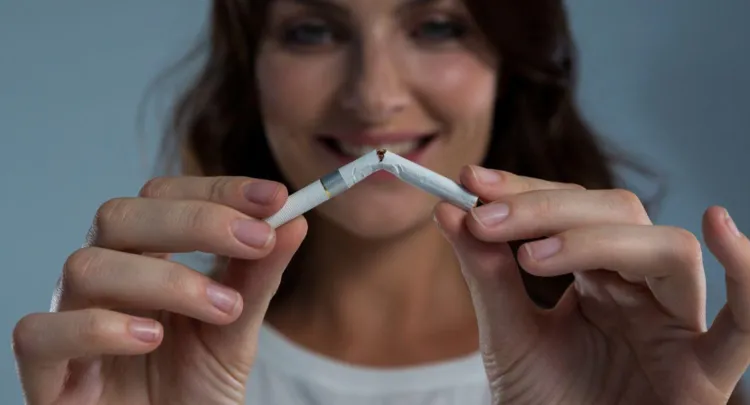
Título: cómo dejar de fumar sin miedo a la opresión en el pecho Perfil: Dejar de fumar puede causar opresión en el pecho y dificultad para respirar, pero es parte del proceso de desintoxicación y reparación. Palabra clave: ['Dejar de fumar es salud.', 'Salud mental'] Autor: Dr. Zhang Revisor: No disponible Comisario: No disponible Organización: No disponible
Many smokers experience a frustrating issue when they first quit smoking: they didn't feel chest tightness while smoking, but after quitting, they often feel a sense of tightness in the chest and shortness of breath, even questioning whether quitting smoking has caused a serious illness.
There's no need to panic! The shortness of breath and chest tightness experienced after quitting smoking are mostly a normal adaptation process of the body and not a worsening of an illness.
The occurrence of chest tightness and shortness of breath after quitting smoking may have several reasons: 1. Withdrawal Symptoms: Quitting smoking can lead to withdrawal responses in the body, such as anxiety, tension, and mood swings, which can trigger discomfort in the chest. 2. Airway Recovery: Smoking damages the airways; after quitting, the body begins self-repair, and inflammation and irritation of the airways may lead to feelings of breathlessness in the short term. 3. Lung Cleansing: After quitting smoking, the lungs start to clear accumulated toxins and phlegm, which may temporarily cause breathing difficulties or chest discomfort. 4. Psychological Factors: Some individuals may feel anxious or worried due to sensitivity to bodily changes after quitting, which can also lead to chest tightness to some extent. However, if symptoms persist or worsen, it is recommended to consult a doctor promptly to ensure there are no other underlying health issues.
This is not a "side effect" of quitting smoking, but rather a "adaptive response" of the body as it frees itself from nicotine dependence and repairs damage.
In the long term, smoking stimulates the secretion of adrenaline by nicotine, leading to an increase in heart rate and constriction of blood vessels, while suppressing the movement of cilia in the mucous membranes of the airways. These cilia act as "cleaners" of the airways, responsible for removing secretions and foreign bodies. After quitting smoking, the stimulation of nicotine disappears, and the body begins to activate its repair mechanism. The cilia gradually regain their motility, allowing the expulsion of tar, phlegm, and other waste accumulated in the lungs.
In this process, mucus can irritate the airways, leading to slight edema and narrowing of these, and during breathing, obstruction in the airflow can result in a feeling of chest tightness and difficulty breathing. Additionally, prolonged tobacco use can create nicotine dependence in the body; upon quitting, the nervous and cardiovascular systems need to readapt to a nicotine-free state, which can cause brief dysfunction and exacerbate discomfort in the chest.
The duration of undesirable symptoms varies from person to person.
For individuals who have smoked for a relatively short period (less than 5 years), smoke a lesser amount (less than 10 cigarettes a day), and do not have underlying respiratory diseases, the body's recovery rate is relatively quick. Symptoms of chest tightness and shortness of breath typically decrease significantly within 1 to 2 weeks and almost completely disappear within 4 weeks. This is due to milder damage to the airways, making the recovery of ciliary function and the expulsion of mucus relatively easier, and the adaptation time to a nicotine-free state is also shorter.
For individuals who have been smokers for a long period (more than 10 years and more than 20 cigarettes a day) or already suffer from chronic lung diseases such as chronic bronchitis or emphysema, the damage to the airways is more severe. Recovery of ciliary function takes longer and mucus expulsion is slower, so symptoms of chest tightness and shortness of breath may persist for 1 to 3 months. Especially in groups with pre-existing diseases, where there is already structural damage to the lungs, recovery after quitting smoking is a prolonged process. Short-term discomfort in the chest is a normal sign of recovery, and as long as there are no abnormal situations such as worsening of breathlessness, hemoptysis, or chest pain, there is no need for excessive worry.
Thirdly, a special reminder.
We must distinguish between "physiological response" and "pathological worsening". If the sensation of chest tightness and shortness of breath is accompanied by these situations, it's essential to seek medical attention immediately.
These situations may indicate the presence of serious lung diseases or that other complications have arisen after quitting smoking. Clear diagnoses need to be made through a chest CT scan, pulmonary function tests, among others, to avoid delays in treatment.
Fourthly, how can symptoms be alleviated?
First, it is crucial to remain steadfast in quitting smoking and not relapse due to discomfort. Relapsing may temporarily alleviate symptoms, but it also exposes the body once again to the damage of nicotine and tar, wasting all previous recovery efforts and exacerbating subsequent withdrawal reactions.
Additionally, promoting the dilution and elimination of mucus by drinking more water and consuming fresh fruits and vegetables can help. Engaging in gentle exercise, such as walking or practicing Tai Chi, can enhance lung function and help the body adapt more quickly. If there is a large amount of mucus and a feeling of chest tightness, some expectorant medications may be used under a doctor's supervision to alleviate airway irritation.
Moreover, maintaining proper ventilation indoors and avoiding contact with irritants such as secondhand tobacco smoke, dust, and cold air can also ease discomfort in the airways.
Smoking causes lung damage that accumulates over time; repair also requires time and patience. If you persist, as your body gradually recovers, these discomforts will slowly fade away, replaced by smoother breathing and improved cardiorespiratory function. Hang in there! Follow Dr. Zhang and delve deeper into the topic of health.
#salud mental
#dejar de fumar es salud.



© 2025 Tribu Salud.