
Guía de salud cervical para trabajadores: alivia dolores en cuello y hombros
mar 26, 2026
Title: Cervical Health Guide for Workers: Relieve Neck and Shoulder Pain. Author: Zhu Tuo, Special Contributor, Rehabilitation Medicine Department, Second People's Hospital of Hunan (Provincial Neurology Hospital). Review: Tang Qingping, Chief Physician, Rehabilitation Medicine Department, Second People's Hospital of Hunan. Follow @HunanMedicalChat for more information on health and scientific dissemination.
Cervical disease is no longer an issue exclusive to older individuals; the lifestyle of spending prolonged periods with the head bent down has led to this condition becoming increasingly common among younger people, turning into a prevalent health concern today.
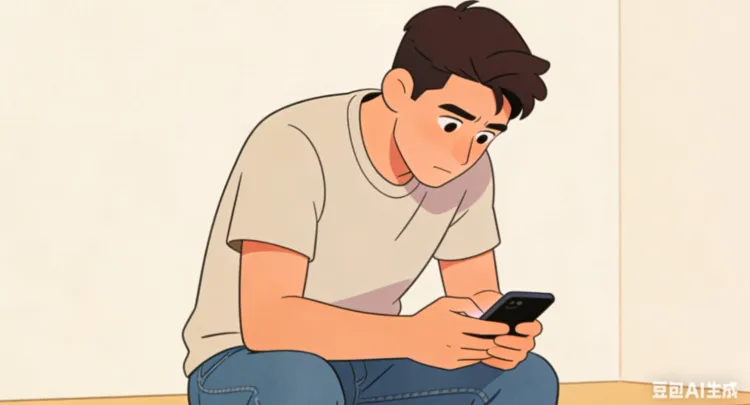
Our cervical spine is made up of 7 vertebrae, 6 intervertebral discs, and numerous muscles and ligaments. It is a precise structure supporting a skull weighing between 4.5 and 5.4 kilograms. However, tilting the head at 60 degrees to look at a phone can increase the weight supported to over 27 kilograms. Long-term excessive pressure can lead to various cervical issues.
Fortunately, most cases of cervical disease are found in a stage that does not require surgery. Dr. Tang Qingping explained that through systematic rehabilitation treatment and proper care, discomfort associated with cervical problems can be effectively alleviated and improved. This care guide will teach you how to reconcile with your cervical spine and implement lifelong cervical health management.
For scientific rehabilitation, it is essential to understand the common classifications of cervical disease, as each type has a specific recovery approach. The cervical type is the most common, mainly manifesting as muscle tension, stiffness, and discomfort, which is a warning sign from the body. The radiculopathy type occurs due to nerve root compression from a herniated disc or bone spurs and may present radiating pain in the arm, numbness, and weakness. The vertebral artery type is due to stimulation and compression of the vertebral arteries caused by cervical changes, leading to dizziness, headaches, and even fainting. Lastly, the spinal cord type is the most dangerous; compression of the spinal cord can cause a sensation of walking on cotton and difficulties with fine movements, necessitating immediate medical attention to evaluate potential surgery.
The fundamental principle of rehabilitation is first to make a clear diagnosis and then proceed with rehabilitation. It is imperative for a physician specializing in orthopedics or rehabilitation to establish an accurate diagnosis and rule out situations requiring urgent attention before carrying out any rehabilitation procedures. Neck rehabilitation follows a stepwise process ranging from passive relief to active reconstruction, and its core is divided into five fundamental pillars, advancing step by step to protect neck health.
Posture and habit restructuring is crucial for rehabilitation and is often overlooked. Following the line of sight principle, the top of the computer screen should be at eye level or slightly lower; keep elbows and hips at 90°. Ensure good support in the lumbar region. Practice the '20-20-20' rule: every 20 minutes of work, look at an object 6 meters away for 20 seconds. Regarding sleep, it's also important to care for cervical health; the pillow should support the cervical curvature, with a height approximately equal to the width of a hand when lying on your back, and it should be level with the shoulder when sleeping on the side. Avoid sleeping on your stomach and prefer back or side positions.
Exercise therapy is the core of active rehabilitation and can rebuild the stability and functionality of the cervical spine. Training to activate the deep neck muscles can counteract forward head posture; leaning against the wall or lying on your back, you should tuck your chin in, performing the 'double chin' movement and holding it for 5-10 seconds, repeating 15 times. The McKenzie therapy is suitable for patients with radiating pain in the shoulders and arms induced by neck flexion; sit upright, tuck the chin in, and slowly extend the head back to the limit, then return, repeating 8-10 times. If pain increases when tilting the head back, stop immediately. Additionally, shoulder and neck musculature can be strengthened with shoulder shrugging and relaxation exercises, as well as resistance training with elastic bands, gently rotating and flexing the neck within a pain-free range to enhance cervical flexibility.
Physical factor therapy is an auxiliary method for analgesia and scientific relaxation. For chronic damage and muscle spasms, applying warm compresses for 15-20 minutes is recommended to promote circulation. For acute sprains and intense pain due to inflammation, an ice pack wrapped in a towel can be used for 10-15 minutes to reduce inflammation. Transcutaneous electrical stimulation can alleviate chronic pain. Manual therapy should be performed by professional physicians, utilizing joint mobilization techniques to improve stiffness in small cervical joints and releasing soft tissue to relax tense muscular fascia. Rough massages in unprofessional institutions should not be allowed. Additionally, traditional medicine techniques, such as acupuncture, cupping, and scraping, can also be used as a supplement to modern rehabilitation.
To facilitate cervical spine care in daily life, you can follow this list of actions. Every morning, perform 15 repetitions of the chin tuck exercise to activate the cervical spine; every hour of work, complete 10 chin tucks, 5 head turns left and right, and 10 shoulder shrugs and drops as micro-exercises during breaks. Set an alarm to check your posture, ensuring the ear lobe, shoulder peak, and hip joint are in vertical alignment. Additionally, commit to 2-3 weekly strength training sessions for the back and shoulders, such as rowing and flies, to strengthen the 'external framework' of the cervical spine, and choose full-body exercises like swimming, brisk walking, or yoga.
During the rehabilitation process, it is necessary to be alert to these 'alarm' signals: if there is an increase in weakness or numbness in the arms or legs, abnormalities in bladder or bowel function, intense pain that does not relieve with conventional methods, high fever, or unexplained weight loss, it is crucial to stop self-rehabilitation and seek immediate medical attention.
Tang Qingping expressed that the fundamental concept of cervical rehabilitation is to become the manager of one's neck health for life. This is not about seeking a one-time 'cure,' but about establishing a sustainable model of use and management of the neck: shifting from passively accepting treatments to proactively maintaining daily care, from focusing solely on symptoms to optimizing cervical spine functionality, integrating correct postures and micro-exercises into daily life, and making them everyday habits like brushing teeth.
The cervical spine supports the force that allows us to gaze at the world. Starting by putting down the phone and performing a gentle retraction of the jaw, we must care for it scientifically to keep the neck and shoulders free from discomfort.
#salud física
#ejercicio



© 2025 Tribu Salud.