
3 puntos clave sobre el eczema y su impacto en la piel
abr 11, 2026
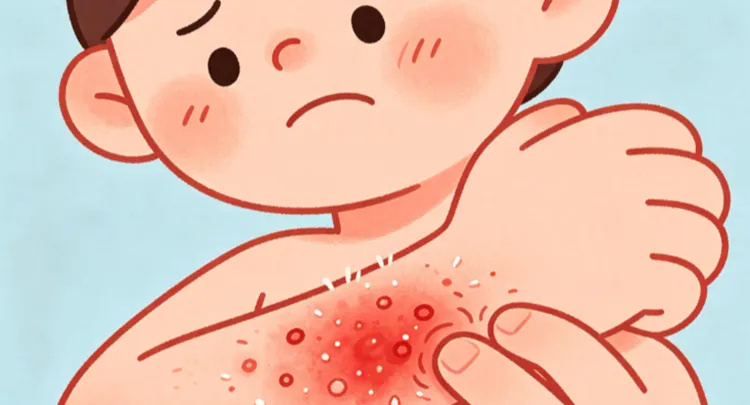
Title: 3 Key Points About Eczema and Its Impact on the Skin. Profile: Eczema is a common skin issue reflecting a mismatch in the skin barrier; management includes hydration and avoiding allergens. Keywords: ['Skin Health', 'Disease Management'].
Eczema can cause sudden redness and itching of the skin, and the more you scratch, the worse it becomes. This is likely eczema – it is not 'humidity' nor a contagious disease; it indicates that the 'security door' of your skin has failed. Xiangdong Hospital, affiliated with Hunan Normal University, warns: don't worry, after reading these points, you'll know how to live peacefully with it.
Eczema is a skin condition usually characterized by inflammation, redness, itching, and peeling. It can be triggered by various factors, including allergies, irritants, genetics, and environmental factors. Eczema can affect any part of the body but is most commonly seen on the hands, face, and behind the elbows. Treatment options include moisturizing the skin, using ointments, and undergoing medication under a doctor's guidance.
Eczema is an inflammatory and allergic skin disease. The epidermis, which is the outermost layer of the skin, has a barrier function; when compromised, pathogens and allergens can enter and stimulate dendritic cells in the dermis, leading to the production of a series of cytokines. These cytokines attract an excess of immune cells, causing inflammation. Moreover, cytokines can further damage the skin barrier, creating a vicious cycle that amplifies inflammation and causes greater skin damage.
Three key facts to remember.
1. It is not contagious: holding a baby, shaking hands, or sharing a towel poses no issue; it is an internal contradiction.
2. Do not scratch: the more you scratch, the more damaged the skin becomes, activating the immune system further and intensifying the itch. Cold compresses and hydration are the real 'fire extinguishers'.
3. Hydration is paramount: generously apply a fragrance-free moisturizer (like petroleum jelly) daily, using about half a kilogram a week, as it is more fundamental than any ointment.
In daily life, adhere to the 'three do's and three don'ts'.
Three do's:
1. Shower with lukewarm water and apply moisturizer within 3 minutes.
2. Wear loose, pure cotton clothing.
3. Use a humidifier indoors, maintaining humidity around 50%.
Three don'ts:
1. Do not use hot water or alkaline soap.
2. Do not avoid foods blindly (unless a doctor has clearly indicated that you are allergic).
3. Do not resist seeking medical attention if there is a large area of infection; it's important to see a doctor in time.
The potential to cure eczema varies from person to person. Eczema is a chronic skin condition; although some may heal spontaneously over time, in most cases, eczema needs to be managed through appropriate treatments to control symptoms and prevent recurrence. This includes using medications, moisturizers, and avoiding irritants. Consulting a medical professional is advised to develop a personalized treatment plan.
While eczema can be bothersome, it is not impossible to treat. During flare-ups, ointments can be used, and during calm periods, it is essential to maintain good hydration. It is crucial to identify and avoid triggering factors (dryness, sweating, stress, etc.). The vast majority of people, with scientific management, can maintain skin that is clean, itch-free, and without redness in the long term.
Source: Legal Promotion Department of Xiangdong Hospital, affiliated with Hunan Normal University.
Follow @湖南医聊 for more health information and scientific dissemination.
(Editor ZS)
#salud de la piel
#manejo de enfermedades



© 2025 Tribu Salud.