
niños con dolor en las piernas y ancianos con dolor lumbar no deben ignorar estos síntomas
feb 09, 2026
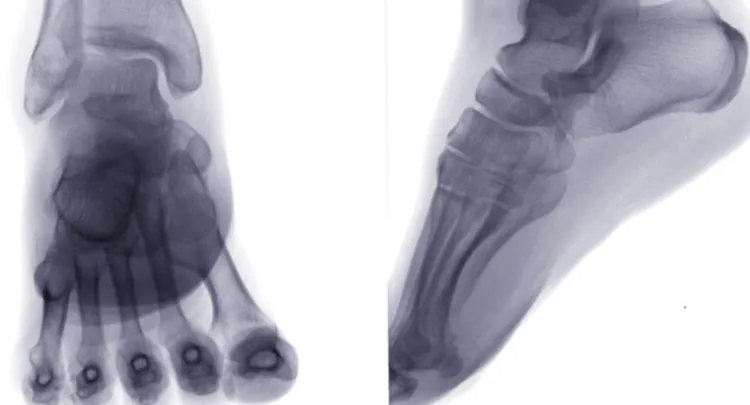
Author: Unknown Reviewer: Unknown Commissioner: Unknown Production Information/Organization: Unknown Title: Children with leg pain and elderly with lower back pain should not ignore these symptoms Profile: Body pain in teenagers and the elderly may indicate bone cancer. It is crucial to identify abnormal signals in time. Keywords: ['Health', 'Education']
"Lately, I have been having back pain; could it be because I've been sitting too long?"
"My knee hurts so much that I can't sleep; do you think a patch would help?"
Do these ideas sound familiar? The "responsibility" for bone pain is often attributed to fatigue, arthritis, or simply dismissed as "that's how we get as we age." However, amidst these commonly overlooked issues, a dangerous disease may be silently sending its initial signals: bone cancer.
Bone cancer, although uncommon, can hide behind "growing pains" in teenagers, be mistaken for "joint pain" in the elderly, and even masquerade as a regular sprain.
Today, we are going to reveal its true nature as a "master of disguise."
Understanding bone cancer, the "rebel cells" in bones.
We can imagine bones as the "load-bearing walls" of this great building that is the body. In contrast, bone cancer is as if a group of "rebellious construction teams" has infiltrated those walls.
They do not work according to the blueprints, reproduce uncontrollably and cause damage everywhere, resulting in problems in the structure of the "walls." Therefore, bone cancer is not just a simple "pain in the bones"; it has a set of signals:
01 "Strange" pain: the most common and earliest symptom. It is characterized by being more intense when lying down and not moving at night (medically referred to as "nocturnal rest pain"), which is completely different from wear-related joint pain or growing pains.
02 Inflammation of the "hard lump": the painful area may swell, feeling like a hard lump to the touch and continuing to grow. The skin may feel warm, and the veins may become more noticeable.
"Blockages" in the joints: tumors cause difficulties in joint movement and muscle atrophy. The most dangerous aspect is that once the bones are "eroded," a simple fall can lead to a fracture, referred to as a "pathological fracture."
04 Body in "alarm": If it reaches a late stage, symptoms such as weight loss, fatigue, and anemia may appear. Its greatest danger is the tendency to "disperse" (metastasize), especially to vital organs such as the lungs.
These "small issues" can serve as an alert that the body is warning.
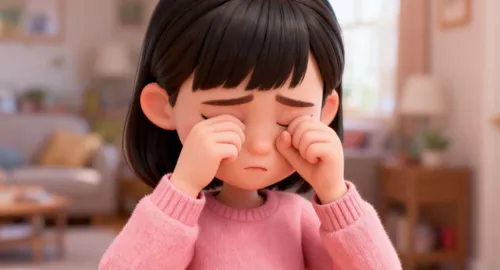
Unexplained bone pain that worsens at night + a hard lump that continues to grow + fractures with a slight impact. Especially in teenagers, if they complain of persistent pain in a specific area, which is not a growth pain that comes and goes, parents should be vigilant!
|The attack of the two peaks, why does it prefer "one old and one young"?
The incidence of bone cancer presents two age peaks, resembling two hills, although the causes are different.
01 Young high-risk (10-25 years): The core is "growing too fast."
Adolescence is a "growth spurt" period for height, during which the cells in the growth plates (epiphysis) divide unusually actively. In this "construction peak," cells may sometimes "incorrectly copy the blueprints" (genetic mutations), and if this spirals out of control, it could result in primary malignant tumors such as osteosarcoma. Therefore, it is common for them to appear in areas that grow more rapidly, like the knees and shoulders.
02 Elderly high-risk (over 60 years): The core mainly focuses on "transference" or "aging."
In the elderly, bone cancer is often an "external tenant," meaning that cancer cells from other sources, such as lung, breast, or prostate cancer, migrate and "settle" in the bones, known as metastatic cancer. Of course, the elderly can also develop certain primary bone tumors, such as cartilage sarcoma, which are associated with the accumulation of damage over time and a decrease in immunity.
What can we do to prevent problems before they occur?
Although the cause of the disease has not been fully clarified, the risks and preventive measures are very clear:
High attention for high-risk groups.
People with a family history of bone cancer (such as Li-Fraumeni syndrome), those who have undergone high-dose radiation therapy, suffer from certain benign bone diseases (like Paget's disease), or have long-term exposure to harmful chemicals should be particularly vigilant.
Guidelines for everyone’s bone health
01 Be an attentive person: pay attention to the abnormal signals of the body, do not assume that the usual nighttime pain in teenagers is just "growing pains", nor attribute all bone pain in the elderly to "cold legs from aging."
02 Life should be healthy: maintain a balanced diet, ensuring the intake of calcium and vitamin D (milk, sunlight); engage in moderate exercise to strengthen bones and the immune system; quit smoking and limit alcohol consumption.
Avoid risk sources: try to avoid unnecessary contact with radiation and harmful chemicals.
04 Do not neglect medical examinations: high-risk individuals or the elderly may consider including X-rays or bone scans in their check-ups. Those with a history of cancer should have regular check-ups to monitor for possible bone metastases.
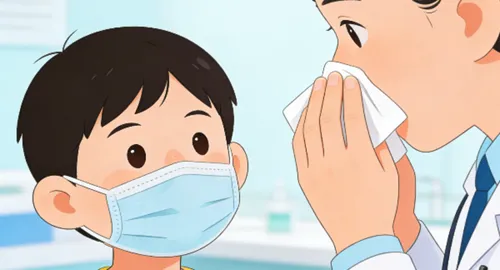
If you have doubts, go to a specialized orthopedic or oncology hospital promptly. Doctors will conduct exams such as X-rays, CT scans, and MRIs for diagnosis, and definitive confirmation will depend on a pathological biopsy.
Although bone cancer sounds scary, modern medicine has advanced significantly. Thanks to comprehensive treatments (chemotherapy, targeted therapy, conservative surgery, among others), the cure rate for early-stage osteosarcoma has improved markedly. Even in cases of metastatic bone cancer, many patients can maintain a good quality of life in the long term after systematic treatment.
Remember: scientific knowledge is the best armor, and paying attention to the body’s signals is the most immediate alert. Caring for bones is sustaining the "pillar" of our life.
#salud
#educación
© 2025 Tribu Salud.