
Cómo cuidar la sonda en invierno para evitar problemas de salud
feb 11, 2026
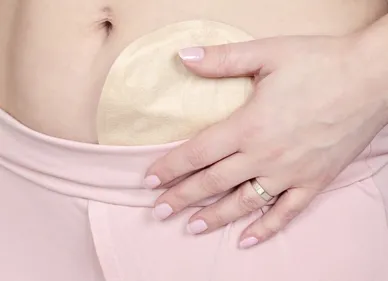
Title: How to Care for Your Ostomy Bag in Winter to Prevent Health Issues Profile: Practical tips for patients with ostomies in winter, to maintain bag fit and combat the cold. Keywords: ['Care', 'Health']
Recently, the weather has become increasingly cold, and many friends with ostomies may be starting to worry: why do ostomy bags seem to become particularly unstable when it's cold? The adhesive hardens, the skin dries out, and changing the bag often causes discomfort... Don't worry, these problems are common in winter. Mastering the following key points can effectively improve the challenges of ostomy care this season. Today, I will convert the “secrets” of professional care into simple steps so you can easily perform them at home.
First Stage: Warm Up Before Applying! (Warm First, Then Apply)
Preparing the process before packing the bag is especially important, and the key can be summarized in one word: "heat".
Heating Material: A new ostomy bag can be placed in a nearby pocket or in a warm place at about 25°C two hours in advance. This will allow the gel to soften naturally and recover its adhesiveness. It is prohibited to expose the ostomy bag directly to heat sources, use hot water bags to warm it, or subject it to high temperatures, as excessive heat can damage the adhesive structure of the gel, leading to irreversible loss of adhesion. Additionally, high local temperatures may irritate the skin around the ostomy, increasing the risk of burns.
Warm Skin: Before changing the bag, use warm wet wipes at about 37°C and gently apply them around the ostomy skin for 30 seconds. This will not only clean the skin and eliminate static electricity but also help the skin to expand slightly, allowing the tape to adhere more tightly and firmly.
Warm Environment: It is best to change it when the indoor temperature is above 22℃. Turn on the air conditioning or heating in advance so both you and your work surface are warm.
Second Step: After Cleaning, Also "Moisten" and "Dry" (Moisten First, Then Dry).
In winter, skin tends to dry out easily, but after cleaning, it should not be too wet; finding the right balance is essential.
Cleaning: Gently clean the skin around the stoma with warm water and a soft cloth; never use alcohol cotton pads! Alcohol will dry out the skin and cause itching.
Drying Without Over-drying: After cleaning, gently pat dry with a towel without rubbing hard. Once the skin is completely dry, you can apply a layer of alcohol-free skin protective film; wait 30 seconds for it to form before applying the antifriction cream or skin care powder. This protects the skin without affecting the tape's adherence. Remember, do not apply heavy moisturizers as they may hinder adhesion.
Third Step: After Applying, Allow it to "Sit Still" for a Moment (Still First, Then Move).
After applying the tape, do not rush to get dressed or engage in activities. Give it a little time to adhere properly.
Compression by Zoned Pressing: After placing the ostomy bag correctly, evenly press the base with the fleshy part of your palm (the part near the thumb) for 2 minutes. This movement not only helps the ostomy base to adhere correctly, but the temperature of your palm will also further soften the gel. If possible, elastic belts or ostomy girdles can be used to help secure the bag for better results.
Antistatic: In winter, putting on and taking off sweaters and synthetic fiber garments can easily generate static electricity, which may cause the edges of the ostomy bags to "stick." Before performing any operation, turn off the humidifier or fan and try to wear pure cotton clothing to reduce static interference.
Handle with Care When Removing the Ostomy Bag!
In winter, the adhesive tape becomes hard and brittle, so more care should be taken when peeling it off to avoid injuring the skin.
1. First, Soften: Place a warm towel at approximately 40°C (not burning to the touch) over the base of the stoma for 1 minute to allow the gel to soften first.
2. Slow Tear: From top to bottom, along the surface of the skin at a 0° angle, gently and slowly peel it off. If you feel resistance, stop and do not pull hard.
3. Use Auxiliary Products: If the tape is especially difficult to remove, a specific adhesive remover may be used spray it while rolling and pulling, which can minimize skin damage. If marks are left on the skin after removal, gently rub with the remover, avoiding scraping hard.
Daily Care Tips.
Shower: It is recommended to take a shower with warm water 2 to 3 times a week, keeping the water temperature around 38°C. When showering, you can use a waterproof adhesive film or plastic wrap to temporarily cover the stoma and prevent it from submerging for long periods. After showering, immediately check if the edges of the base are wet or peeling.
Clothing: Wear a soft cotton undershirt and a loose sweatshirt on top. Avoid wearing tight jeans or other hard pants to prevent friction on the stoma. An ostomy protector can be used, as if putting a "jacket" on the stoma.
Diet: Maintain a balanced diet, increasing the intake of high-fiber foods such as oats, apples, and carrots to help regulate stool consistency. In cold seasons, it's advisable to increase the consumption of warm foods such as porridge and soups, which not only provide warmth but also benefit digestion. Remember to chew well and eat slowly.
Attention to Anomalies: If you notice that the color of the stoma turns purple, white, or dark red, and does not return to a bright red color within 10 minutes, or if the surrounding skin shows extensive paleness, rashes, or ulcerations, it is crucial to contact a doctor or stoma care specialist immediately.
Remember this mnemonic: first warm the equipment, then warm the skin; first wet and clean, then dry to form a film; after applying heat pressure, the static should stop. Translation to Spanish: Recuerda esta frase: primero calienta los equipos, luego calienta la piel; primero húmedo y limpio, luego seca y forma una película; después de aplicar la presión térmica, la estática debe detenerse.
As long as you master these methods, you can attach the ostomy bag as securely and comfortably in winter as in summer, ensuring a good day every day!
Author:
Zhang Lanlan, Head Nurse of the Nursing Department of the First Affiliated Hospital of Henan Medical University.
Li Yan, Head Nurse of the Gastrointestinal Surgery, Weight Loss Surgery and Hernia Department of the First Affiliated Hospital of Henan Medical University.
Note: The cover image is a copyright library image, and its use in reproductions may generate copyright disputes.
#salud
#cuidado.
© 2025 Tribu Salud.