
4 errores que evitar durante el puerperio para prevenir hinchazón
mar 01, 2026
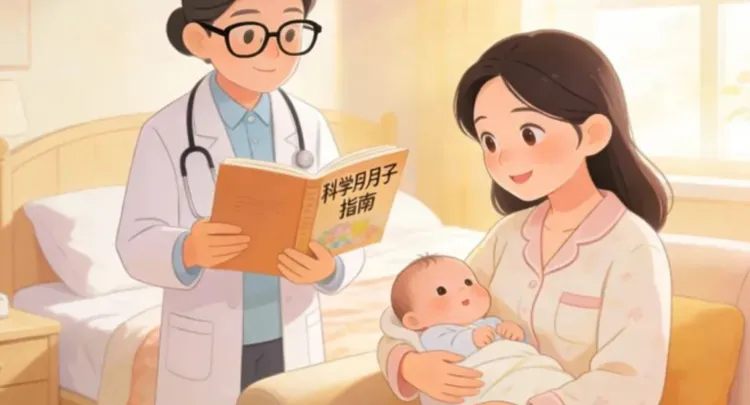
Title: 4 Mistakes to Avoid During the Postpartum Period to Prevent Swelling Author: Tang Rong, First People's Hospital of Pingjiang Published by: Hunan Medical Chat On January 6, the obstetric consultation at Pingjiang City Hospital attended to a 30-year-old woman who, just ten days after giving birth, presented with significant swelling in the lower left side of her body. A Doppler ultrasound of the deep veins in her lower extremities revealed the formation of clots in multiple veins, including the left common iliac vein, external iliac vein, and femoral vein, which were completely occluded.
Further inquiry into the medical history revealed that this postpartum woman had been virtually inactive, and postpartum women are already in a state of high blood coagulation; prolonged bed rest can easily induce thrombosis.
This case also serves as a warning to all pregnant and new mothers: traditional notions regarding the 'quarantine period' are inappropriate; scientific care is key to postpartum recovery. This article breaks down, from a medical perspective, the four common mistakes associated with care during the quarantine period and teaches the correct way to care for oneself post-delivery.
Mistake 1: Is bed rest necessary? Does going out mean ‘getting into trouble’?
The traditional belief holds that after childbirth, it is necessary to stay home and rest in bed; otherwise, one may exhaust their vital energy.
The scientific truth:
Moderate activity is more beneficial for recovery. Women who have had a vaginal delivery can take light walks indoors between 6 and 12 hours after birth. In the case of cesarean deliveries, it is recommended to start activities with the aid of family after 24 hours. Remaining in bed for prolonged periods can slow blood circulation, increase the risk of thrombosis, and also lead to constipation and relaxation of the pelvic floor muscles.
Activity should be gradual: during the first postpartum week, engage in indoor walks of 10 to 15 minutes at a time; starting from the second week, outdoor walks (avoiding crowded places) of 20 to 30 minutes at a time can promote uterine contraction and alleviate postpartum depression.
Mistake 2: Is it forbidden to wash your hair or take a bath after childbirth? Does being 'dirtier' translate to better health?
The traditional belief holds that washing one’s hair and bathing after giving birth can lead to 'catching wind' and acquiring illnesses, hence it is advised to stay dry throughout the quarantine period.
The scientific truth:
Postpartum cleanliness is key to preventing infections. After giving birth, women may sweat a lot and expel lochia, which facilitates bacterial growth on the skin and intimate area. Women who have had a vaginal delivery can wash their hair and shower 24 hours post-delivery, while those who have had cesarean sections should wait for the wound to heal (7 to 10 days) before taking a shower (avoid baths).
Note: The water temperature should be between 38-40°C, and bathing should not exceed 15 minutes. After bathing, dry your hair immediately and keep warm, avoiding direct cold wind. Cleaning can accelerate body recovery.
Mistake 3: Is air conditioning a 'monster' and must one necessarily sweat postpartum?
Traditionally, it is believed that postpartum women should wear thick clothing and blankets to avoid cold, and that turning on the air conditioning can cause them discomfort.
The scientific truth:
The appropriate temperature is crucial for recovery; covering up can lead to heatstroke! Women in the postpartum phase have an active metabolism and tend to sweat. When the ambient temperature exceeds 28 °C, the risk of dehydration and infections increases.
Correct practice: set the air conditioning to 25-27°C, avoid direct air flow (direct the air vent upwards or place a container of water in the room to increase humidity), and wear comfortable cotton clothing. Additionally, ventilate the room by opening windows 2-3 times a day for 15-20 minutes each time to maintain air circulation while ensuring the temperature does not drop below 24°C.
Mistake 4: Is it necessary to 'nourish heavily' with chicken and fish soups at every meal?
The traditional belief holds that after childbirth, one should consume hearty soups and fatty meats to replenish energy and stimulate milk production.
The scientific truth:
A balanced nutrition is more important than blind supplementation! During the first week after childbirth, gastrointestinal function is weak, so it is recommended to consume liquid foods such as millet porridge and soft noodles, avoiding fatty and spicy foods. After a week, gradually increase the intake of lean meats, eggs, fish, and seafood, as well as fresh fruits and vegetables, to supplement vitamins and dietary fiber.
Chicken and fish soups should be skimmed to remove excess fat (to avoid issues such as blocked milk ducts and obesity). It is advisable to drink between 2000 and 3000 ml of water daily (warm water, vegetable soup, or soy milk are good options). Room temperature fruits (like apples and bananas) do not need to be avoided as they can effectively prevent constipation.
Special contributor from Hunan Medical Chat: Tang Rong, First People's Hospital of Pingjiang.
Follow @HunanMedicalChat for more information on health and scientific education!
#salud de la mujer
#cuidado postparto



© 2025 Tribu Salud.