
Cómo actuar ante la pérdida súbita de audición en 72 horas
mar 19, 2026
Title: How to Act in Case of Sudden Hearing Loss Within 72 Hours Profile: Sudden deafness affects hearing rapidly. Identifying symptoms and early treatment improves recovery and auditory health. Keywords: ['Health', 'Otorhinolaryngology'] Author: Wang Guangjun, expert in otolaryngology Reviewer: [Not specified] Commissioner: [Not specified] Production Information: [Not specified]
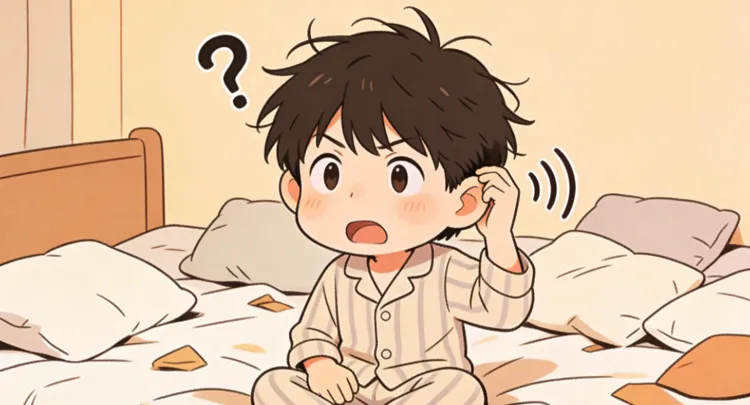
"The day before I was fine, but upon waking from sleep, I suddenly could not hear clearly in my right ear, as if it were stuffed with cotton, and it continued to buzz…"
At the outpatient clinic of Wuhan Minsheng Ear, Nose, and Throat Specialty Hospital, patients with sudden hearing loss are becoming increasingly common. This condition occurs very suddenly, with hearing plummeting abruptly, and sudden deafness poses a threat to the auditory health of all age groups.
Sudden deafness is a type of sudden hearing loss that usually occurs within a short time (such as a few days) and typically has no obvious external cause. It can affect one or both ears and may be accompanied by tinnitus, dizziness, or balance problems. The exact cause of sudden deafness remains unclear and may be related to viral infections, vascular issues, autoimmune disorders, and other factors. Treatment usually includes medication, such as steroids, to reduce inflammation and promote recovery. Early medical attention is crucial for improving prognosis.
Sudden deafness, abbreviated as "sudden deafness," refers to a neurosensory hearing loss that occurs suddenly, within a period of 72 hours, and of unknown cause. It is considered an emergency in the field of otorhinolaryngology. This is not just a "loss of hearing," but a drastic decrease in hearing caused by damage to the hair cells of the inner ear and the auditory nerve. It can occur at any age, and in recent years, there has been a trend of affecting younger individuals.
Pay attention to these "signals" and stay alert for the onset of sudden deafness.
1. Sudden hearing loss.
Sudden inability to hear clearly in one ear, with noticeable fuzziness when on the phone or listening to sounds, and in severe cases, complete inability to hear.
2. Persistent tinnitus.
Approximately 90% of patients experience tinnitus, reporting sounds such as buzzing, chirping, or hissing in the ears, which become more pronounced in silence. In some cases, tinnitus appears before hearing loss.
3. Sensation of pressure/blockage in the ears.
The ear feels as if it is blocked with cotton, there is a sensation of pressure, and swallowing or performing the Valsalva maneuver (pinching the nose and blowing) does not relieve the discomfort.
4. Dizziness, nausea, and vomiting.
About 30% to 50% of patients experience vertigo, accompanied by nausea and vomiting, which may lead to misdiagnosis as cervical disease or cerebrovascular issues, thus delaying otological treatment.
The longer one waits, the more difficult it becomes to regain hearing.
The key to treating sudden deafness is: early detection, early intervention, and early treatment. The hair cells of the inner ear do not regenerate; once they die due to a lack of blood or oxygen, hearing loss will be permanently irreversible.
The golden 72 hours: The first 72 hours from the onset of symptoms are crucial for treatment; the sooner intervention occurs, the greater the likelihood of regaining hearing.
Within two weeks, there are still opportunities: more than 72 hours but not exceeding two weeks, active treatment may still offer possibilities for recovery.
More than 1 month: treatment difficulties increase, which may lead to permanent hearing loss.
Once symptoms such as sudden hearing loss, tinnitus, a feeling of fullness in the ear, or vertigo are detected, do not delay, self-medicate, or believe in folk remedies. Seek specialized hospital care immediately! After undergoing examinations such as hearing tests and ear endoscopy, a clear diagnosis will be obtained and systematic treatment will be provided.
Whether the hearing can recover after treatment for sudden deafness depends on several factors, including the type of sudden deafness, severity, timeliness of treatment, and individual differences. In many cases, early treatment can significantly increase the chances of hearing recovery. It is recommended to seek medical attention as soon as sudden deafness occurs for a professional assessment and treatment. Doctors may recommend medication, rehabilitation training, or other therapies to help restore hearing.
Director Wang Guangjun of the Wuhan Specialized Otolaryngology Hospital stated that sudden deafness is not an "incurable disease"; if the appropriate method is found and treatment is maintained, there is a great hope of regaining hearing.
In recent years, the country has placed great importance on auditory health. The National Health and Family Planning Commission, in its "Opinions on Promoting Ear and Hearing Health Work," has clearly expressed support for promoting the combined treatment of Western medicine and traditional medicine for ear diseases. The Wuhan Specialized Otolaryngology Hospital, aligning with this national policy, has adopted the combined treatment method of Chinese and Western medicine "Dong's 8+1 Total Hearing Recovery Therapy," recognized with national patent, to specifically treat sudden deafness, hearing loss, and tinnitus, thus breaking the limitations of single treatments.
➤ First, conduct precise detection: identify the degree of damage to the auditory nerve and assess the internal ear circulation status to determine the cause.
➤ Rapid intervention of Western medicine: improvement of microcirculation in the ear, repair of nerves damaged due to lack of nutrients, reduction of edema in the inner ear, rapid relief of symptoms;
➤ Regulation through traditional Chinese medicine: Acupuncture with herbal medications, herbal stick massages, and herbal steam therapy help unblock meridians and balance Qi and blood, creating favorable conditions for neuronal repair, consolidating therapeutic effects and preventing relapses.
Whether due to acute sudden hearing loss or accompanied by tinnitus and a sensation of pressure in the ear, through this systematic therapeutic intervention, most patients can gradually regain hearing and alleviate the discomfort of tinnitus.
The expert is a highly qualified professional in his field, with extensive experience and specialized knowledge. He usually has a solid academic background as well as a proven track record in applying his expertise to relevant projects. His role involves providing advice, leading research, and contributing to the development of strategies that address complex problems in his area of expertise. Furthermore, experts tend to stay up-to-date on the latest trends and advancements in their sector to ensure that their work is relevant and effective.
Wang Guangjun, expert in otolaryngology.
Specialized in: possessing extensive experience in the diagnosis and treatment of common, frequent, and difficult diseases in otorhinolaryngology and head and neck surgery. Proficient in the diagnosis and treatment of otitis media, hearing loss, tinnitus, rhinitis, sinusitis, deviated septum, nasal polyps, sleep apnea, adenoid hypertrophy, tonsillitis, and pharyngitis.
#salud
#otorrinolaringología



© 2025 Tribu Salud.