
¿por qué aparecen ampollas rojas tras el paseo al aire libre? causas y soluciones para la dermatitis
abr 07, 2026
Expert Reviewer: Mo Dapeng, Chief Physician of the Neurointervention Center at Tian Tan Hospital, Beijing Medical University, Professor and PhD Thesis Director.
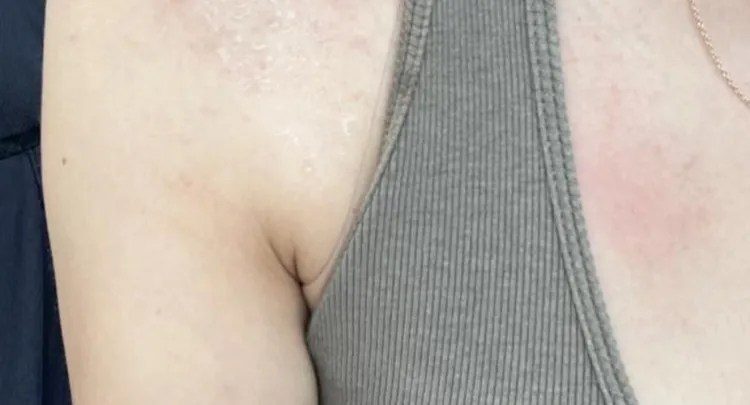
Traveling and enjoying nature is truly a wonderful season to admire flowers and willows. However, upon returning home, some people discover that they have developed red welts on their face and arms, which are itchy and burning, making it difficult to sleep at night. The initial reaction is often to wonder when mosquitoes became so dangerous.
Image source: Xiaohongshu blogger @Aromatherapy Therapist - Eva.
In fact, the culprit behind your "disfigurement" is likely not the mosquito, but rather caterpillar dermatitis.
Caterpillar skin: it is not mosquito bites, but itching caused by irritating hairs.
Before and after the Day of the Dead, many people enjoy going to parks and rural areas to camp and revel in spring. During this time, various species of caterpillars also become active. Caterpillar dermatitis refers to the inflammatory skin disease that occurs when the hairs or spines of caterpillars, which contain venom, penetrate the skin and irritate the affected area.
Caterpillars have tens of thousands to millions of venomous hairs or spines on their body surface, which are hollow tubes containing venom composed of bradykinin, lipases, and other peptide substances. When a caterpillar feels disturbed (by wind, bird pecking, etc.), it instinctively sheds or loses its venomous hairs as a defense.
These toxic hairs, when they come into contact with and penetrate the skin, release a poison that causes irritant dermatitis, stimulating the release of histamine and other inflammatory mediators in the skin tissues. This causes dilation of local small blood vessels and increased permeability, resulting in redness, swelling, papules, intense itching, and a burning sensation. This itching is often more intense than that caused by mosquito bites and lasts longer. Itching symptoms tend to be more severe at night, and repeated contact with the toxic hairs or scratching can exacerbate the situation.
The image was generated by AI.
Additionally, contact of the skin with objects contaminated by toxic hairs or liquids can also cause changes in dermatitis. If toxic hairs enter the eye or adhere to the eyelid and, when rubbed, enter the eye, they can cause acute conjunctivitis or keratitis.
Why is it difficult to detect?
Symptoms can have a delayed onset: after the stingers of hydrangeas penetrate the skin, symptoms typically do not appear immediately. Swelling and itching may gradually manifest several hours or even a couple of days later. Many people attribute the symptoms to mosquitoes or other causes, thus losing the opportunity for timely treatment.
There are many exposed areas: when going out for a walk in spring, lightweight clothing is often worn, so areas like the neck, arms, and ankles are usually uncovered. Even if a long-sleeved shirt is worn, irritating hairs can enter through the cuffs or neck, or adhere to clothing and be brought home, causing additional contact with the skin when changing clothes or sleeping.
Image source: Copyrighted image bank.
Tips for an appropriate response
Ensure good physical protection.
When going out to enjoy nature, try to wear long-sleeved clothing and long pants, ensuring that sleeves and pants are fitted, and wear a hat to reduce skin exposure. Avoid staying under pines, cypress, or oak trees for long periods, and do not spread a picnic blanket in those areas. Choose open, dry, and well-ventilated areas for your activities. If you are unsure about the tree species around you, stay away from old trees with dense foliage.
The image was generated by AI.
Timely cleaning.
It is recommended to shower and change clothes as soon as you arrive home. When showering, rinse the skin with running water and, if possible, use shower gel or soap to help eliminate any residual toxic hairs that may remain. If possible, shake out the clothes worn outdoors before bringing them back home.
Proper management of symptoms.
If red bumps and itching have already appeared, gently applying adhesive tape over the affected area and repeating several times can help remove some of the residual irritating hairs and reduce venom irritation. The affected area can also be rinsed with cool running water or cold compresses, which can help constrict blood vessels and relieve itching and swelling.
Seek timely medical attention.
It is important to pay special attention to not scratching. If the skin breaks, the irritating hairs can penetrate more deeply, intensifying symptoms and potentially leading to bacterial infections that may result in hyperpigmentation or scarring. If the rash is extensive, causes intense itching, or blisters, ulcerations, fever, or other systemic symptoms occur, medical attention should be sought immediately.
These insects should also be noted.
The butterfly skin insect: it possesses a highly acidic venom within. When the insect's body breaks or is pressed, the venom comes into contact with the skin, rapidly causing edematous erythema in bands, spots, or clusters, followed by the appearance of dense papules, blisters, and even pustules. Patients experience intense burning pain and itching, and in severe cases, erosions, crusting, and epidermal necrosis may occur.
Tick: When biting, the tick releases an anesthetic substance, so it usually does not hurt or itch and can be difficult to detect. Redness, swelling, itching, or a nodule may appear at the bite site. Additionally, ticks can secrete harmful substances that can cause fever, a rapid decrease in platelets, and, in severe cases, can lead to multi-organ failure, potentially life-threatening.
Mosquitoes: Their saliva contains toxins that can cause allergies. At the site of the bite, immediate intense itching may be felt, followed by significant swelling and bumps that are generally distributed in plaques. In severe cases, blisters may appear in the affected area, which, when scratched, are prone to infection and weeping. After healing, they often leave dark spots or scars that are difficult to fade, and the process of reducing swelling is much slower than with mosquito bites. Typically, common cologne is not effective.
Insects: After being stung by a bee, immediate burning pain, redness, and swelling may occur at the site, frequently with a sting point in the center. If it is a bee sting, the stinger often remains in the wound; whereas wasps may sting multiple times.
In the shadow of spring, many invisible risks lie hidden. Those tiny venomous hairs floating in the breeze are difficult to detect at a glance but can cause real discomfort. By taking precautions, cleaning up timely, and managing the situation properly, one can enjoy this "spring gift" with fewer unpleasant surprises.
#salud de la piel.
#cuidado de primavera



© 2025 Tribu Salud.