
cómo hacer que los niños disfruten de los deliciosos 青团 de forma segura
abr 07, 2026
Title: How to Make Children Enjoy Delicious Qingtuan Safely Profile: Qingtuan is a spring dish, but should be consumed with care for children's health. Keywords: ['Child Nutrition', 'Traditional Food'] Author: [No information available] Reviewer: [No information available] Commissioner: [No information available] Production/Organization: [No information available]
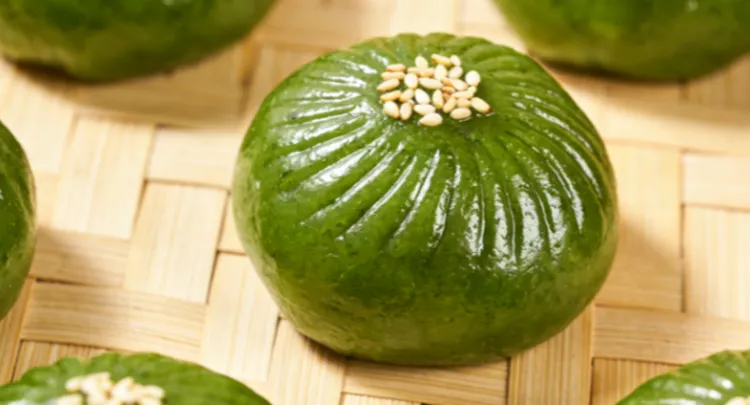
Spring is bright and clear, and Qingming approaches when the delicious bright green "qingtuan" becomes the most ceremonial food of this season. Many parents consider "qingtuan," made with natural herbs, to be a suitable "healthy seasonal snack" for children, but there are several misunderstandings about their purchase and consumption that are easy to overlook. Can children eat them? How to safely choose "qingtuan" from the market? Today, we present an informative article that will help parents avoid mistakes and allow their children to confidently enjoy the flavors of spring.
First, is the "green" in the green rice cake (qingtuan) an artificial coloring? Many parents, upon seeing the bright green color of this traditional cake, immediately think that a coloring agent has been added. However, this is the biggest misconception about this traditional food! The "green" color of the green rice cake comes from nature's generosity, with no addition of artificial colorants. If we trace its origin, the first indications of the green rice cake appeared during the Southern Dynasties when people collected the juice of the mouse herb to mix with flour to prepare "longzheban," used to prevent diseases in spring. Today, the green color we consume mainly comes from mugwort or wheat grass. The tender leaves of mugwort are blanched and then crushed, and the natural juice extracted is thoroughly mixed with glutinous rice flour, presenting a natural jade color and a subtle herbal aroma. Notably, mugwort is itself a "nutrient storehouse," rich in volatile oils, flavonoids, as well as dietary fiber, vitamin A, calcium, iron and other nutrients that not only give the green rice cake a unique flavor but also possess certain antibacterial and antioxidant properties. This is also the scientific basis for the popular saying "eating mugwort on Qingming prevents disasters and difficulties."
Can children eat "qingtuan"? Many parents are concerned: since children have a weak digestive system, can they really eat "qingtuan"? The answer is yes, but the key is to focus on the two keywords: "appropriate amount" and "situation specific." Consuming it uncontrollably will only add burden to the child's stomach. The main ingredient of "qingtuan" is glutinous rice flour and plant juice, where the glutinous rice is rich in carbohydrates that can quickly provide energy to the child. However, its branched starch content can reach up to 80%, making it extremely sticky. Since children's digestive systems are not fully developed, excessive consumption can easily lead to abdominal distension, indigestion, acidity, and, in severe cases, food accumulation. Additionally, mugwort is not friendly for some allergic predisposed children, potentially causing skin itching, rashes, and even respiratory discomfort. Therefore, when children try "qingtuan" for the first time, they must be particularly cautious and conduct an allergy test.
Three tips for children to eat qingtuan: For the safety of children's food, parents should remember these three aspects, allowing children to enjoy the spring flavor while taking care of their intestinal health: 1. Control the amount consumed and avoid "greed": Children under three years old should avoid swallowing a whole qingtuan (to prevent choking risk) and can try small cut portions. Children over three years old should not eat more than half a qingtuan (approximately 30g) at one time, and adults should also not exceed 1 to 2 per day to avoid overloading the digestive system. 2. Pay attention to how to eat, chewing slowly and consuming hot: Qingtuan should be consumed hot, as cooled glutinous rice becomes harder and more difficult to digest. It is crucial to chew well and eat slowly. 3. Choose appropriately the filling, with low sugar content: The qingtuan in the market is divided into sweet and savory flavors. Sweet fillings (like bean paste or sesame) have high sugar and fat content, increasing the risk of cavities and obesity in children. It is recommended to prioritize savory fillings such as diced meat with bamboo shoots, or to make homemade versions with lower sugar content, more suitable for children. In addition to these considerations for children's consumption, parents should also take important aspects into account when buying and storing qingtuan. When purchasing, prefer regular channels, check the ingredient list, and choose products where sugar and oil are listed in the lowest positions, avoiding qingtuan that are too brightly colored or have strong odors, as they may contain artificial colorants or preservatives. As for storage, it is recommended to consume homemade qingtuan immediately, and store purchased qingtuan in refrigeration, consuming as soon as possible to avoid microbial contamination that could cause gastrointestinal discomfort. Before consuming refrigerated qingtuan, it should be thoroughly heated to avoid cold irritating the stomach. From the cold snack of the Tang Dynasty to the offering at the Qingming festival in the Ming and Qing dynasties, and now integrated into daily life, qingtuan carries with it millennia of folklore memories and culinary wisdom that adapts to the seasons. As parents, we can use qingtuan so that children can feel the charm of traditional festivities and understand the popular culture of "eating mugwort on Qingming," while also taking care of their food safety through proper consumption and purchase methods. Spring is brief and food is a treasure; may every parent avoid mistakes and enjoy peacefully with their children this qingtuan that encapsulates spring and warmth, gathering health and happiness in traditional flavor.
#la alimentación infantil
#comida tradicional

© 2025 Tribu Salud.