
los espacios dentales aumentan tras limpieza dental ¿por qué es un mito?
abr 07, 2026
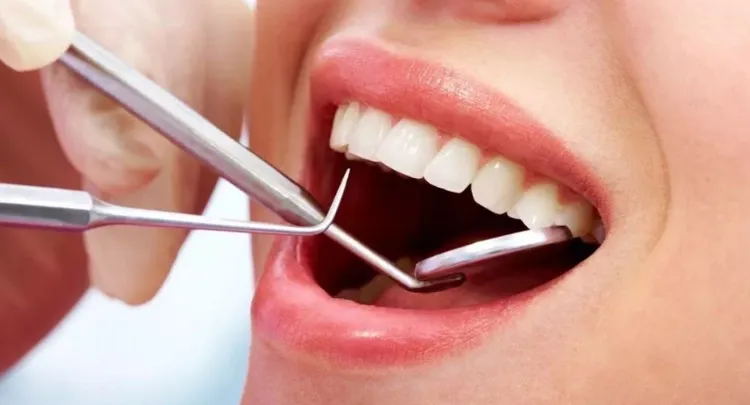
Title: Dental Spaces Increase After Dental Cleaning: Why is it a Myth? Profile: Dental cleaning is crucial to prevent oral diseases by removing tartar and plaque and safeguarding dental health. Keywords: ['Oral Health', 'Dental Cleaning.'] Author: Not specified. Reviewer: Not specified. Commissioner: Not specified. Production/Organization Information: Not specified.
In daily oral care, brushing and flossing are basic cleaning methods, but even with meticulous attention, there may be difficult-to-remove residues on teeth that, over time, turn into tartar and cause various oral issues. Dental cleaning, although many people misunderstand it as something that damages the teeth and is unnecessary, is a professional means of oral cleaning that must be addressed. In fact, dental cleaning is a crucial step in preventing and treating oral diseases, as well as being a key element in protecting oral health; below, comprehensive information about scientific dental cleaning will be presented. Many people wonder why dental sanitation is necessary if they brush their teeth daily. To understand this, it is important to talk about the formation of tartar. The mouth contains a large number of bacteria that mix with food residues and substances in saliva, forming bacterial plaque that adheres to the dental surface. This plaque can be partially removed through brushing and flossing, but if cleaning is inadequate, bacterial plaque mineralizes and calcifies, hardening and turning into tartar. Once tartar forms, it cannot be removed through daily cleaning since it firmly adheres to the gum lines and between teeth, additionally pressing and irritating the gums. If tartar is not cleaned for a long time, it can first cause gingivitis, with symptoms such as inflammation and bleeding of the gums, as well as bad breath. Allowing inflammation to progress will develop into periodontitis, resulting in gum recession and loss of alveolar bone, eventually leading to tooth mobility and loss, which is one of the main causes of dental loss in adults. Additionally, the accumulation of tartar can also make teeth yellow or black, affecting aesthetics and promoting the proliferation of bacteria that exacerbate bad breath. Dental cleaning is performed precisely through professional methods that completely eliminate tartar, bacterial plaque, and surface stains from teeth, interrupting at the root the occurrence of periodontal diseases, which is the main objective of dental cleaning. There are many misconceptions about dental cleaning among the public, the most common being that 'cleaning teeth damages enamel and causes teeth to loosen and spaces between them to widen.' First, professional dental cleaning is based on the principle of ultrasonic cavitation, which uses high-frequency vibrations to break down tartar and does not involve polishing teeth; as long as it is performed correctly, there will be no damage to dental enamel. The perception that spaces widen and teeth loosen after cleaning is not caused by the cleaning itself, but rather because the constant pressure of accumulated tartar on the gums leads to gum recession and slight loss of alveolar bone, symptoms that were masked by the tartar. Once the tartar is removed, underlying issues become visible, which actually indicates that dental cleaning has eliminated a source of disease. Some people also believe that 'cleaning teeth will whiten them and that the more one cleans, the more sensitivity they will experience.' The primary function of dental cleaning is hygiene, not whitening; it can remove stains from tobacco, tea, and tartar, allowing teeth to regain their original color, but it does not alter the pigmentation of the teeth themselves. Short-term dental sensitivity after cleaning is due to roots being temporarily exposed after tartar removal, experiencing discomfort from thermal stimuli, which generally resolves in one to three days and does not produce permanent damage as a result of cleaning. The dental cleaning process is extremely rigorous, being safe and comfortable throughout. First, the specialist performs a complete oral examination, assessing periodontal health and the amount of tartar, excluding contraindications for cleaning. Then, dental instruments are rigorously disinfected to avoid cross-infections. Next, an ultrasonic device is used to clean each tooth of tartar and bacterial plaque, applying a jet treatment for stubborn stains. At the end, the specialist polishes the dental surface to make it smooth and reduce the likelihood of new tartar adhesion. Finally, the mouth is rinsed with saline solution, and anti-inflammatory medications are applied according to the condition of the gums; the complete process usually lasts between 30 and 60 minutes. Post-cleaning care is equally important. In the 1 to 2 days following cleaning, teeth may be more sensitive, so contact with very cold, spicy, acidic, hard, or brightly colored foods such as ice water, chili, coffee, soy sauce, etc., should be avoided to prevent irritations and new pigment adhesion. Additionally, it is essential to maintain proper brushing and flossing techniques to ensure oral hygiene, not interrupting cleaning due to mild gum bleeding. A slight gum bleeding after cleaning is normal, but if there is abundant bleeding that persists, medical attention should be sought for a checkup. Regarding the frequency of dental cleaning, it is not necessary to do it excessively nor to avoid it completely. It is recommended that individuals with normal periodontal health have a cleaning every 6 to 12 months; those who smoke, drink tea or coffee, or produce tartar quickly may require cleanings every 6 months; and those suffering from periodontitis should follow their dentist's recommendations for every 3 to 6 months, along with subsequent periodontal treatment. Additionally, certain special groups should take precautions: pregnant women can have a mild dental cleaning during the second trimester (4 to 6 months), but should be cautious before conceiving and at the end of their pregnancy; patients with hypertension and diabetes must control their levels before cleaning; individuals with hematological diseases or acute infections should postpone cleaning and notify the dentist about their health status. Oral health is closely related to general health: periodontal diseases not only affect the mouth, but can also induce problems such as cardiovascular diseases and diabetes. Dental cleaning is not an 'aesthetic treatment,' but an essential method for oral care and the first line of defense to prevent oral diseases. It is crucial to clear up misunderstandings about dental cleaning and to develop the habit of cleaning regularly, along with daily scientific care, to ensure good dental health, fresh breath, and firm teeth, thus enjoying a healthy life.
#salud bucal
#limpieza dental.



© 2025 Tribu Salud.