
Cómo la luz nocturna puede inducir miopía a través de melanopsina
abr 08, 2026
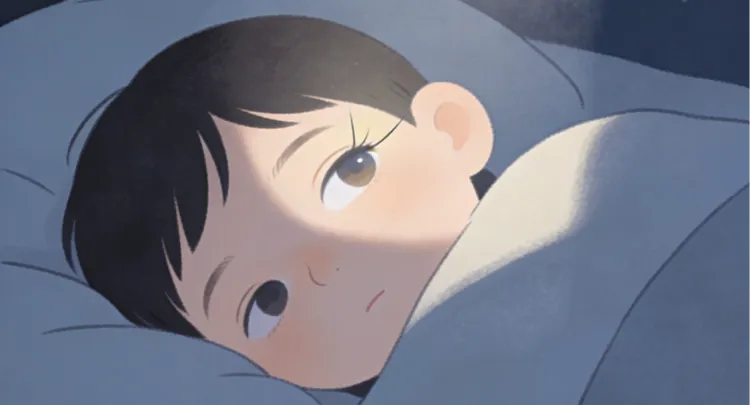
Contribuyentes: Wang Ningli (académico), Li Shiming (profesor), Song Yi (investigador) - Hospital Beijing Tongren, Universidad Capital Médica y Facultad de Medicina de la Universidad de Pekín. Investigación publicada en "Ciencia China: Ciencias de la Vida".
Researchers such as academic Wang Ningli and Professor Li Shiming from Beijing Tongren Hospital, affiliated with Capital Medical University, along with researcher Song Yi from Peking University School of Medicine, have discovered that exposure to light at night (LAN) can promote abnormal growth of the ocular axis through the melanopsin signaling pathway, significantly increasing the risk of myopia in children and adolescents. This finding was recently published in the English version of the journal "China Science: Life Sciences".
Myopia has become a significant global public health issue, notably prevalent in East Asia. Adequate exposure to natural light during the day has been shown to have a protective effect against myopia, although the biological mechanisms behind this are not yet fully understood. With the proliferation of artificial lighting, exposure to night light has increased significantly, and its impact and mechanisms on the development of myopia remain uncertain. Previous research suggests that intrinsically photosensitive retinal ganglion cells (ipRGCs), which express melanopsin, are involved in regulating light signals that control circadian rhythms and eye development. However, systematic evidence is still lacking to support whether exposure to night light interferes with the ocular growth rhythm through this pathway and whether it can drive the development of myopia.
Regarding the investigation of mechanisms, the research team first established light-at-night exposure conditions in a mouse model. They found that four weeks of exposure to night light (from 21:00 to 23:00) can significantly promote myopic refractive changes, accompanied by an abnormal increase in the ocular axis length. Molecular-level analysis revealed that exposure to night light significantly reduces the expression of the melanopsin opsin in the retina and interferes with the normal expression of several core circadian rhythm-related genes. Further exploration with mice lacking the melanopsin opsin gene (Opn4-/-) found that the absence of Opn4 notably weakened the myopic effects induced by night light exposure and blue night light, confirming that the melanopsin-mediated signaling pathway is a "key point" in ocular growth induced by exposure to night light that leads to myopia.
Exposure to night light induces myopia in mice, elongation of the ocular axis, decrease in Opn4/melanopsin protein expression in the retina, and abnormal expression of core circadian rhythm genes.
The deletion of the Opn4 gene inhibits myopia induced by night light exposure in mice and its effects on the expression of retinal biological clock genes.
Based on the investigation of mechanisms, the team conducted large-scale validation in populations. The cross-sectional study included a total of 148,582 primary and secondary school students in 773 schools across 30 provinces of the country. Results showed a positive correlation between outdoor night light levels in the area where the school is located and the prevalence of myopia. Additionally, an individual longitudinal follow-up study objectively measured night light exposure in children and adolescents and tracked the incidence of myopia over a year. Results indicated that when the average light intensity during the night exceeds 10 lx, the risk of developing myopia in children significantly increases; furthermore, if there is exposure to dim light in the early stages of sleep, there is also a trend toward increased myopia risk, with primary school children being the most sensitive.
The study of indoor light exposure at night in children and adolescents and its longitudinal relationship with the onset and progression of myopia.
This study systematically clarifies that exposure to night light is an important environmental factor in the development of myopia in children, providing a chain of evidence from discovery of mechanisms to validation in populations. This finding not only deepens the understanding of the environmental pathogenic mechanisms of myopia but also offers new ideas and scientific bases for optimizing strategies for the prevention and control of childhood myopia, underscoring the important value of bidirectional management of the daytime and nighttime light environment in promoting children's visual health.
#salud
#visión



© 2025 Tribu Salud.