
presión en el pecho síntomas graves que no debes ignorar
feb 04, 2026
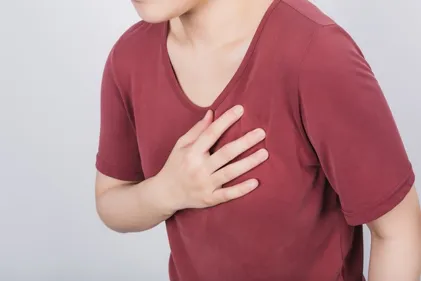
Title: Chest Pressure Serious Symptoms You Shouldn't Ignore Profile: Chest pressure can be a sign of serious issues, such as lung diseases or cancer. Seek medical attention if it persists. Keywords: ['Disease', 'Health'] Author: Zhang Huanhuan, Chief Nurse of the Thoracic Surgery Department at the Cancer Hospital of the Chinese Academy of Medical Sciences. Co-authors: Tan Min, Chief Nurse of the Thoracic Surgery Department at the Cancer Hospital of the Chinese Academy of Medical Sciences; Yang Bo, Nurse of the Thoracic Surgery Department at the Cancer Hospital of the Chinese Academy of Medicine. Reviewer: Zhang Na, Deputy Nursing Director of the Thoracic Surgery Department at the Cancer Hospital of the Chinese Academy of Medicine. Note: The cover image is from a copyrighted image library, and unauthorized use may lead to copyright conflicts.
If you feel like "your chest is being pressed down as if by a stone" and this lasts for more than two weeks, do not dismiss it as mere "fatigue."
First, chest pressure is not the same as lung cancer, but lung cancer may manifest as chest pressure.
Chest pressure is a subjective feeling of "suffocation", "pressure", or "shortness of breath". It can be a normal response to emotional stress or intense exercise, but it may also be one of the initial signs of lung cancer that is often overlooked.
Lung cancer can cause a sensation of chest pressure for several reasons. One main reason is the presence of tumors that can obstruct the airways, making breathing difficult and creating a sensation of congestion or discomfort. Additionally, tumor growth can affect nearby structures such as blood vessels and nerves, further contributing to this sensation. Another cause could be the accumulation of fluid in the pleural space, known as pleural effusion, which can press against the lungs and cause pain or difficulty breathing. Finally, inflammation in the lungs or airways due to cancer or associated treatments, such as chemotherapy, can also lead to symptoms of chest pressure. It is essential to consult a healthcare professional for an accurate diagnosis and treatment.
1. The tumor obstructs the airways directly.
Bronchi are partially obstructed by a tumor → ventilation in the distal alveoli decreases → the feeling of "shortness of breath" appears.
2. Pleural involvement or pleural effusion.
Tumor invading the pleura or causing effusion → limits lung expansion → sensation of chest pressure and difficulty inhaling.
3. Concurrent pneumonia or pulmonary atelectasis.
Secondary infection due to obstruction and atelectasis of the lung lobes → significant reduction in effective respiratory surface area → a marked increase in the sensation of chest pressure.
4. Enlargement of mediastinal lymph nodes causing compression.
Metastatic tumor in the mediastinum compresses the nearby airways or blood vessels, leading to a persistent feeling of chest pressure and difficulty breathing.
Three, four major features of chest pressure in lung cancer.
If you meet the characteristics mentioned, you should immediately consult a specialist in pulmonary medicine, thoracic surgery, or oncology.
How to differentiate "chest pressure" from other types?
Warning: In individuals over 40 years old who are long-term smokers or have a family history, if they experience "unexplained shortness of breath for more than 2 weeks", lung cancer must be ruled out first.
Five, three action recommendations for readers.
Individuals over 40 years old who smoke should undergo a low-dose chest CT scan annually.
If you experience chest pressure, cough, and bloody sputum for more than 2 weeks, consult a doctor immediately.
3. Those diagnosed with pulmonary nodules should undergo regular check-ups as per the doctor's recommendations and should not skip appointments just because they "do not have symptoms."
Six, summary.
The "discomfort" in the chest could be, perhaps, a signal of distress sent by the lungs.
Listen to it and check it in time: lung cancer can be prevented and treated, the key lies in "timeliness"!
Health advice: This article is for informational purposes only and should not be considered a diagnosis or treatment. Please follow the guidance of a healthcare professional.
#salud
#enfermedad

© 2025 Tribu Salud.