
cómo el clima frío aumenta los accidentes cerebrovasculares y señales de alerta
feb 06, 2026
Title: How Cold Weather Increases Stroke Risks and Warning Signs Author: Zhao Hailin, Neurology Department, Wangcheng District People's Hospital, Changsha Editor: Hunan Medical Talk Profile: Cold weather can increase the risk of strokes. Recognizing symptoms and acting quickly is vital for health. Keywords: ['Health', 'Medical Emergency']
As is well known, a stroke (commonly referred to as a cerebral infarction) can result in paralysis of the limbs, speech disorders, difficulty swallowing, cognitive problems, depression, and in severe cases, life-threatening situations, presenting a high rate of disability and mortality. However, active treatment and prevention in the early stages can effectively reduce the incidence, recurrence rates, disability, and mortality associated with strokes, thus improving the prognosis of this condition.
During cold seasons, strokes notably increase. Why is it easier to suffer a stroke when it's cold? How can the initial symptoms of a stroke be quickly identified? What are the ways to prevent and treat this condition? Low temperatures can cause blood vessels to constrict and increase blood pressure, elevating the risk of a stroke. It is crucial to recognize early warning signs, which include sudden weakness on one side of the body, difficulty speaking, and loss of balance.
Regarding prevention, it is recommended to maintain a healthy lifestyle, control blood pressure and diabetes, and avoid excessive alcohol and tobacco consumption. It is vital to seek immediate medical attention if a stroke is suspected since early treatment can significantly improve recovery chances.
Cold weather increases the incidence of strokes.
Cold weather triggers an excitation of the blood pressure regulatory system, leading to increased blood pressure and may cause the rupture of plaques in blood vessels, as well as the formation of clots, triggering a cerebral infarction. Furthermore, the vasoconstriction induced by cold reduces blood flow to the skin while increasing diuresis, viscosity of coagulation factors, and lipid levels in the blood, leading to higher blood concentration and increased risk of thrombosis. Low temperatures affect hematological characteristics and increase friction on the inner surfaces of vessels, potentially elevating the risk of cerebral hemorrhage.
High-Risk Periods and High-Risk Groups.
1. High-risk periods for stroke.
From 6 to 10 AM (morning peak of blood pressure);
After a sudden drop in temperature, within 24 to 48 hours;
After one hour of bathing (post hot shower and upon contact with cold stimuli).
2. High-risk groups for strokes.
Patients with hypertension, diabetes, and dyslipidemia.
Long-term smokers and drinkers.
History of transient ischemic attacks (TIA) or history of stroke.
Individuals over 65 years old.
Quick Identification of Strokes.
Remember the rule for quickly identifying a stroke: "ACV 120". If symptoms correspond, call emergency number 120 immediately.
"1" Look at the face: is it asymmetrical, is there deviation in the corner of the lips?
"2" Check 2 arms: is there unilateral weakness or difficulty lifting them?
"0" Listen to the language: is it clear, is it expressed ambiguously?
Emergency Attention in Case of Stroke.
Do not panic if a stroke occurs; seeking scientific help can gain valuable time for life:
Call 120 immediately!
At first opportunity, dial the emergency number and try to avoid driving to the hospital yourself. Clearly express to the operator: "suspected stroke!" and provide a specific address (e.g., XX village, XX group, XX community, building X, unit X), and keep the line open for the ambulance to locate accurately.
2. Do these 3 things while waiting for rescue!
Have the patient lie on their back with their head tilted to one side to prevent vomit from entering the trachea.
Throughout the process, do not administer water or medications to avoid choking or worsening the condition.
Do not move the patient carelessly to avoid additional injuries, accompany them in silence, and wait for the ambulance.
3. Head as close as possible to a hospital capable of treating strokes.
Prior to an emergency, familiarize yourself with the location and contact information of nearby hospitals capable of thrombolysis and thrombectomy, ensuring rapid access through the ambulance.
Wangcheng District People's Hospital in Changsha has established a stroke center and opened a 24-hour emergency channel for strokes. They offer comprehensive treatment including intravenous thrombolysis, thrombectomy surgery, and inpatient rehabilitation, thus providing full support in treating stroke patients.
4. Golden Time Window: The sooner treatment starts, the safer it will be!
The "golden time" for venous thrombolysis in a cerebral infarction is only 4.5 hours, while thrombectomy surgery in cerebral arteries must be performed within 6 to 24 hours. The quicker the intervention, the lower the risk of sequelae and the greater the chances of recovery.
1. Properly wear protective gear: ensure the use of appropriate protective clothing, masks, gloves, and goggles to prevent potential chemical, microbial, or physical harm.
2. Maintain good personal hygiene: wash hands frequently, use disinfectants, avoid touching the face to reduce infection risk.
3. Ensure environmental safety: maintain good ventilation in work or living environments, regularly check safety facilities and equipment to prevent accidents.
4. Attend regular training: participate in safety training and drills periodically to improve awareness and response capabilities to potential risks.
5. Promptly report safety hazards: when finding any safety risks or issues, report them immediately to relevant authorities for timely handling and correction.
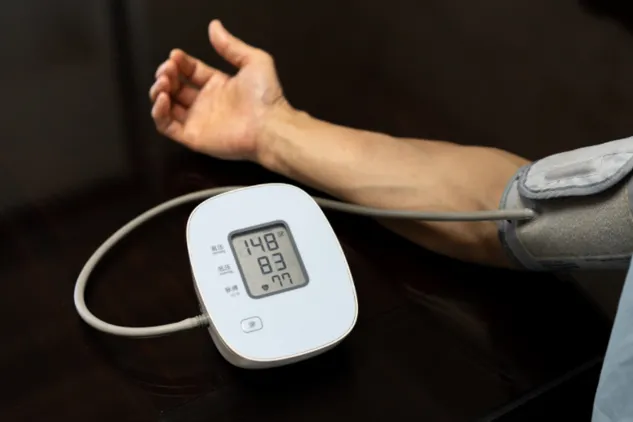
1. Regularly monitor blood pressure and follow doctors' instructions to take medication on time: perform a measurement once in the morning and once at night. If blood pressure fluctuates more than 20 mmHg, immediate medical attention is required. Patients with hypertension should regularly take antihypertensive medication at the indicated doses. Those in a high-risk group for stroke or who have experienced one previously should continue taking preventive medications.
2. Organize exercise scientifically: avoid low temperatures in the morning, exercise appropriately after 10 AM, and adequately warm up before exercising.
3. Keep warm: focus on protecting the head, neck, and hands and feet, to reduce vascular exposure to cold.
4. Maintain a light diet: daily salt intake should be below 5g, avoid high-fat and high-sugar foods, and ensure adequate water intake in winter, around 1500ml daily, to reduce blood viscosity.
5. Maintain emotional stability: avoid extreme joys and sorrows, and reduce abrupt increases and decreases in blood pressure due to extreme emotional fluctuations.
Hunan Medical Talk Special Contributor: Zhao Hailin, Neurology Department, Wangcheng District People's Hospital.
Follow @HunanMedicalTalk for more information on health and health science education.
(Edition 92)
The cover image of this article comes from a copyrighted image library, and its use without permission may lead to copyright disputes.
#salud
#emergencia médica

© 2025 Tribu Salud.