
Cómo vencer la náusea por quimioterapia: 5 estrategias efectivas
feb 07, 2026
Title: How to Overcome Chemotherapy-Induced Nausea: 5 Effective Strategies Author: Wang Ping, Shanxi Bethune Hospital Profile: Strategies are presented to prevent nausea and vomiting in chemotherapy patients, including medications, diet, and psychological support. Keywords: ['Cancer treatment', 'Patient care'].
Although chemotherapy-induced nausea and vomiting (CINV) is a common issue in cancer treatment, medical and nursing personnel can help alleviate this discomfort and improve patients' quality of life through scientific methods and effective treatment strategies.
1. Prevention is key.
Doctors will select appropriate medications for the prevention of nausea and vomiting, such as 5-HT3 receptor antagonists, NK-1 receptor antagonists, and dexamethasone, based on each patient's specific situation before chemotherapy. These medications work by blocking the action of neurotransmitters to reduce the occurrence of CINV. Studies have shown that the combined use of these drugs can significantly reduce the incidence of both acute and delayed CINV.
The mechanism of delayed CINV involves multiple biological pathways. Here are some key factors: 1. Neurological response: Chemotherapeutic drugs stimulate the gastrointestinal tract, triggering a vagal nerve response that activates the central nervous system, leading to nausea and vomiting. 2. Chemical signals: Some chemotherapy agents release cytokines such as tumor necrosis factor (TNF) and interleukin-1 (IL-1), which can act on the chemoreceptor trigger zone in the brain, promoting the onset of nausea. 3. Endocrine response: Chemotherapy can lead to the release of endocrine hormones (such as adrenaline and noradrenaline), which further affects the brain's mechanism for processing nausea. 4. Individual differences: Patients' responses to chemotherapy vary based on genetic, gender, and medical history factors, thus influencing the incidence and severity of delayed CINV. Understanding the mechanisms behind delayed CINV can provide a basis for more effective clinical management and prevention of this symptom.
2. Ensure sufficient sleep.
Adequate sleep is crucial for relieving CINV. Deep sleep at night can promote the body's self-repair, boost immunity, and thus enhance resistance to the adverse effects of chemotherapy medications. Additionally, growth hormone and other reparative hormones are secreted in greater amounts during deep sleep, contributing to the body's recovery.
3. Balanced nutrition.
A balanced diet is fundamental for maintaining health. Patients should ensure they consume adequate protein, vitamins, and minerals, particularly foods rich in antioxidants, such as fruits and vegetables. These nutrients not only support immune function but also assist in repairing cellular damage caused by chemotherapy.
HEC of CINV risk assessment through a delayed decision tree.
4. Moderate exercise.
Moderate exercise helps improve blood circulation and promote metabolism, which in turn contributes to alleviating nausea and vomiting symptoms. Studies have shown that gentle aerobic activities, such as walking and yoga, can reduce fatigue and emotional depression caused by chemotherapy, thereby improving patients' overall health.
5. Psychological support.
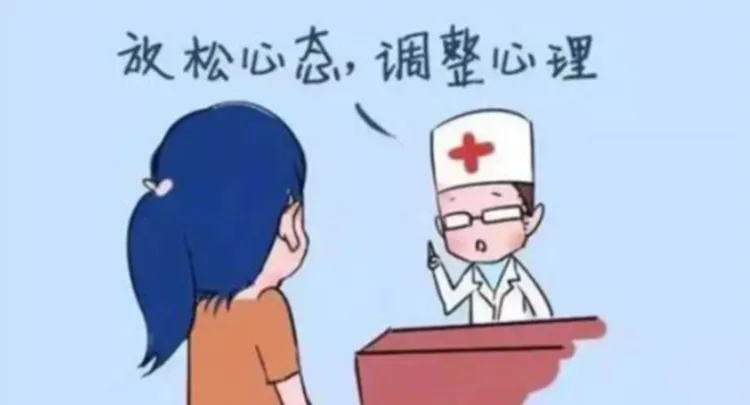
Psychological pressure and anxiety can exacerbate CINV symptoms. Support from family and friends, as well as professional psychological guidance, can help patients maintain a good mental state and reduce psychological burden. Cognitive-behavioral therapy (CBT) and relaxation techniques such as deep breathing and meditation have also proven useful in alleviating anxiety and depression.
6. Avoid irritating foods.
Spicy, fatty, and strongly flavored foods can intensify feelings of nausea. Patients should attempt to opt for light and easily digestible foods, such as boiled rice and vegetable soups. A low-fat and high-fiber diet can reduce gastrointestinal load and help alleviate digestive discomfort.
References
Cheng Ying, Liu Jingjing. "Interpretation of the Expert Consensus on the Prevention and Treatment of Nausea and Vomiting Related to Oncology Drug Treatment in China (2022 Version)." Clinical Internal Medicine Journal, 2023, 40(05): 351-353.
Chinese expert consensus on the prevention and treatment of delayed nausea and vomiting (2022 version) [J]. Clinical Oncology Journal, 2023, 28(05): 442-458.
[3] Professional Rehabilitation Committee of Cancer and Palliative Care of Shanghai Anti-Cancer Association, Clinical Research Committee of Oncology Drugs of Shanghai Anti-Cancer Association, Cancer Prevention and Treatment Management Committee and Clinical Research of China Elderly Care Association. Comprehensive management of nausea and vomiting induced by antitumor treatments: expert consensus from Shanghai (2024 version) [J]. China Cancer Journal, 2024, 34(01): 104-134. DOI: 10.19401/j.cnki.1007-3639.2024.01.008.
[4] Chinese Anti-Cancer Association, Clinical Chemotherapy Committee for Tumors, Tumor Support Treatment Committee of the Chinese Anti-Cancer Association. Expert consensus on the prevention and treatment of nausea and vomiting related to cancer pharmacotherapy in China (2022 version) [J]. Chinese Medical Journal, 2022, 102(39): 3080-3094. DOI: 10.3760/cma.j.cn112137-20220810-01724.
#tratamiento del cáncer
#cuidado del paciente.


© 2025 Tribu Salud.