
Problemas dentales en niños: impacto en salud y apariencia según hospital
feb 07, 2026
Author: Luo Qian, Guest Author of Hunan Medical Dialogue, Director of the Department of Dentistry of the Fourth Hospital of Changsha: Dr. Li Yufeng. Review: N/A. Commissioner: N/A. Production Information/Organization: Fourth Hospital of Changsha.
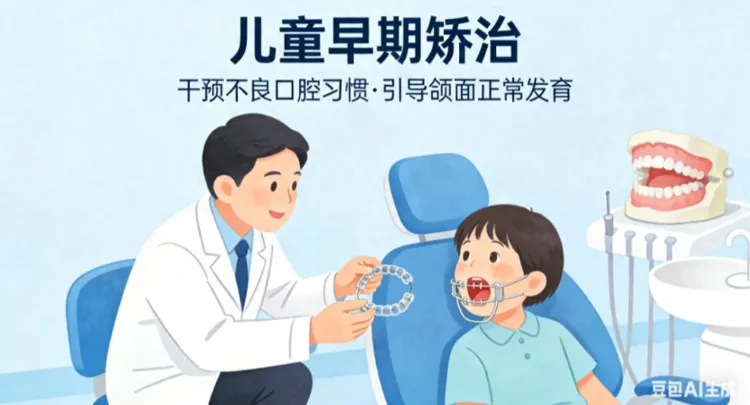
Dental problems such as "crossbite", "small chin", prolonged mouth breathing, and thumb sucking are quite common in children's development but are often overlooked by parents. Missing the key intervention stage in the growth and development of the jaws can affect not only facial shape and oral function but also lead to issues like speech abnormalities and low social self-esteem.
Dr. Li Yufeng, the Director of the Department of Dentistry at the Fourth Hospital of Changsha, warns that taking advantage of the "golden period" of jaw growth in children and carrying out scientific early orthodontic treatments is crucial for protecting children's oral health and maxillofacial development.
Early orthodontic treatment refers to preventive and corrective measures for dental, jaw, and facial developmental issues during childhood or adolescence. The aim is to correct bad bite relations and tooth alignment through early intervention, promoting normal oral and facial development. This treatment often includes the use of orthodontic devices, such as removable or fixed braces, to improve bite issues and tooth positioning, thereby avoiding more complex corrective treatments in the future. Early treatment helps enhance oral health, improve chewing and speech functions, and has a positive impact on children's confidence and social relationships.
Before understanding early orthodontic treatment, we must first be aware of malocclusions: these refer to deformities of the teeth, jaw bones, and skull that occur in children during their growth and development, caused by genetic and environmental factors.
Early orthodontics refers to treatment during the early stages of children's growth and development, typically during the peak of pubertal growth and in the stages leading up to it. Its objectives are the prevention, interruption, treatment, and guidance of already manifested dental malocclusions, developmental trends, and causes that may lead to dental and mandibular deformities. The goal is to maintain and create a normal environment for the development of the craniofacial system, promoting the maxillofacial and psychological health of children, enabling them to smile with confidence.
Secondly, take advantage of the "golden moment" for rehabilitation: stage-wise intervention for maximum results with minimal effort.
Early correction is not always better the sooner it is done; it needs to be addressed at the right stage and resolve the right issues. Generally, we divide the key correction periods into three stages:
1. Milk teeth period (3-5 years): Focus on eliminating negative habits such as thumb sucking, tongue thrusting, mouth breathing, and abnormal swallowing.
2. Dental replacement period (6-12 years): The "golden window" for early treatment. During this stage, the potential for jaw growth in children is enormous, and effective intervention can be conducted using appropriate orthodontic devices to correct maladjusted jaw relationships, whether existing or potential, guiding the jaw growth towards a more harmonious direction.
3. Early permanent teeth stage (approximately 12 to 15 years): comprehensive correction phase. Residual problems from early intervention or complex malocclusions that were not detected in time can be addressed through comprehensive treatment.
Thirdly, these situations indicate that the child may need early intervention.
If you observe that the child shows any of the following signs, it is recommended to consult the department of dentistry at the hospital as soon as possible:
1. "Crossbite": the lower teeth bite outside the upper teeth, which is one of the situations requiring early intervention.
2. "Small Chin" (retrognathia): the chin is notably short and retracted, resembling a "bird beak" when viewed in profile.
3. Incisor malocclusion: the upper and lower incisors cannot touch, with detrimental habits such as prolonged tongue thrusting persisting.
4. Severe deep bite: the upper front teeth excessively cover the lower front teeth, which can cause injuries to the gums of the hard palate.
5. Narrow dental arch: insufficient width of the dental arch, which can manifest as retraction of the back teeth, dental crowding, among others.
6. Prolonged mouth breathing: causes issues such as drooping lips, gum exposure, and elongation of the face.
7. Abnormal swallowing habits or tongue thrust: when the tongue frequently places itself between the upper and lower teeth, it may hinder normal tooth eruption and jaw development.
8. Habits such as thumb sucking or lip biting (especially the lower lip): can exert pressure on the teeth and jaw, leading to abnormal dental alignment and distorted jaw development.
Fourthly, what should parents pay attention to during the treatment period? Parents should mindful of the following points during treatment: 1. Regular check-ups: Ensure to take the child for regular examinations and follow-ups, as doctors will adjust the treatment plan based on the progress. 2. Follow medical advice: Strictly adhere to the doctor's recommendations for oral hygiene care, and follow the correct method when wearing orthodontic devices. 3. Dietary considerations: Avoid letting the child consume overly hard, sticky, or high-sugar foods to prevent impacting treatment effectiveness. 4. Emotional support: Provide children with psychological support, encouraging them to maintain a good mindset and confidence in the treatment. 5. Maintain communication: Keep good communication with the child, actively listening to their feelings and opinions about the treatment process. Through these measures, parents can better assist their child in going through the treatment period, ensuring smooth progression of therapy.
1. Supervise children to maintain good oral hygiene.
2. Supervise children to correct bad habits: such as patiently guiding them to stop thumb sucking, mouth breathing, and other similar habits.
3. Conduct regular reviews and follow growth guidelines.
4. Evaluation of psychological guidance: Some children may develop feelings of inferiority after wearing braces. Parents should encourage their children and explain that this process is to "align the teeth and improve the smile", thereby helping children build confidence and positively collaborate with the treatment.
Dr. Li Yufeng, the Director of the Department of Dentistry at the Fourth Hospital of Changsha, emphasizes that early detection, diagnosis, and intervention can not only avoid the tortuous path in treatment for children but also help preserve their maxillofacial health and confident smile. The Department of Dentistry at the Fourth Hospital of Changsha is committed to protecting the bright smiles of children with professional techniques and attentive service.
Follow @HunanMedTalk for more health and scientific dissemination information.
(Edited by ZS)
#pediatría
#salud bucal


© 2025 Tribu Salud.