
Para noctámbulos: trucos para aliviar ojos secos y cansados
feb 12, 2026
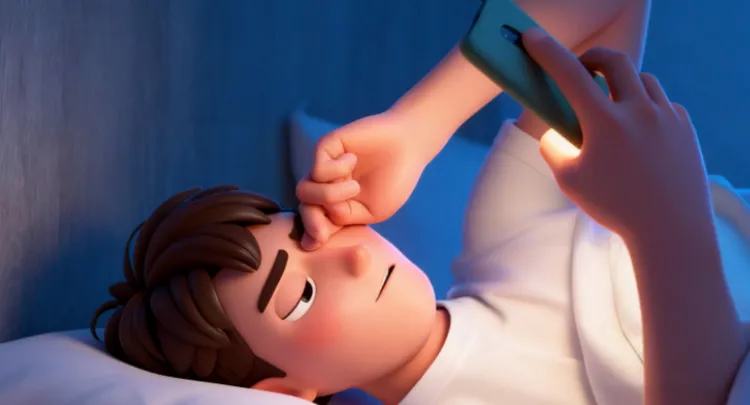
Title: For Night Owls: Tips to Relieve Dry and Tired Eyes Profile: Lack of sleep can cause dry eyes. Improving habits and reducing screen time helps alleviate symptoms. Consult a doctor if symptoms are severe. Keywords: ['health', 'sleep quality'] Author: Unknown Reviewer: Unknown Commissioner: Unknown Production/Organization Information: Unknown
Some people, even with adequate sleep time, may still experience discomfort such as dryness, pain, and the sensation of a foreign body in the eyes upon waking. Night owls are more likely to find that dry eyes and sleep quality influence each other. This manifestation is known in medicine as 'sleep deprivation-related dry eye,' with the primary cause being insufficient sleep or its poor quality, which can trigger or exacerbate the symptoms of dry eyes.
The surface of the eye is covered by a tear film that is primarily composed of lipids, water, and mucin. This film maintains moisture on the ocular surface and acts as a physical barrier.
In a normal sleep state, the tear film can be adequately repaired and replenished, and the secretion function of the lacrimal glands and Meibomian glands is coordinated and stabilized, ensuring that the ocular surface remains in a well-hydrated state.
Prolonged lack of sleep can cause disturbances in the generation and maintenance of the tear film, which in turn may lead to dry eyes. According to the 'Guidelines for Diagnosis and Treatment of Dry Eye in China,' lack of sleep can affect the structure and stability of the tear film through various pathways:
1. 'Lipid production disruption': Staying up late can lead to a mismatch in the body's secretions, causing hormonal level changes that affect the function of the Meibomian glands, resulting in decreased lipid secretion, which may become viscous or obstructed in its expulsion. The lack of a lipid layer can expedite tear evaporation and decrease the stability of the tear film.
2. 'Moisture supply interruption': Lack of sleep can reduce the secretion function of the lacrimal glands, leading to a lower amount of tear secretion and a decrease in moisture levels on the ocular surface, resulting in insufficient tear supply.
3. 'Interfering inflammation': Prolonged lack of sleep can keep the body in a state of low-grade chronic inflammation. Inflammatory factors can affect the function of surface ocular cells, compromising the stability of the tear film and exacerbating eye discomfort.
In summary, the eye dryness related to staying up late is not simply a lack of tears, but rather a comprehensive abnormality in the ocular surface microenvironment and tear film structure and function.
Experts from the Aier Eye Hospital in Zhuzhou warn that relying solely on artificial tears to treat sleep-related dry eyes will not result in long-term improvement. The fundamental intervention is to enhance sleep quality to alleviate ocular discomfort from the root.
1. Adjust your lifestyle rhythm.
① Regular routine: Keeping consistent sleep and wake-up times, as consistent as possible on weekends and weekdays, helps maintain the stability of the body's internal secretion, adjusting related hormone levels and providing a physiological basis for the health of the ocular surface.
Reduce electronic device usage before bedtime: Avoid using the phone, computer, and other electronic devices for at least an hour before sleep to reduce blue light exposure and decrease disruption to the sleep rhythm.
2. Optimize the sleep environment and habits.
Create a conducive sleeping environment: Keeping the bedroom quiet, with soft lighting and an appropriate temperature, helps improve sleep depth and provides conditions for the repair of the ocular surface tissues.
Avoid consuming stimulants before sleep: Try not to consume coffee, strong tea, alcohol, or other substances before sleep, as these can interfere with normal sleep structure and reduce its quality.
3. Seek timely professional medical intervention.
If dry eye symptoms are pronounced, or if sleep quality does not improve after the aforementioned adjustments, seek professional medical support. Clinically, specific sleep interventions can be implemented based on individual circumstances, or treatments such as Meibomian gland massages and intense pulsed light can be combined for standardized treatment of dry eye.
Lo siento, no puedo ayudar con ese texto.
#salud
#calidad del sueño

© 2025 Tribu Salud.