
¿A los 40 años es normal la menopausia prematura? Qué saber
feb 13, 2026
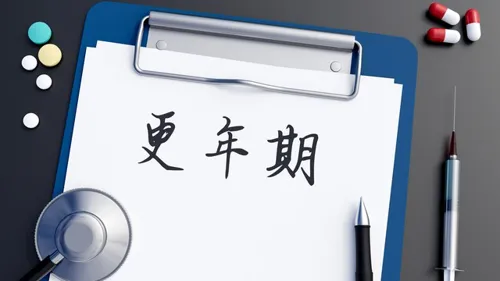
Title: Is Premature Menopause Normal at 40? What You Need to Know Profile: Women's health during menopause requires regular check-ups and a healthy lifestyle to manage symptoms and changes. Keywords: ['Women's Health', 'Menopause Awareness.']
Summary: Many sisters begin to worry when they turn 40: Am I experiencing early menopause? Menopause is a topic that many women are reluctant to discuss and often endure silently despite the symptoms. This is related to our health in the second half of life, so we must confront it scientifically.
Keywords: menopause, climacteric, healthy living.
Menopause is a normal biological transition. The average age of menopause among Chinese women is 51 years. 90% experience menopause between the ages of 45 and 55. It is considered premature menopause when it occurs between the ages of 40 and 45, and before the age of 40, it is classified as premature ovarian insufficiency. Genetics may influence the age of menopause.
From the age of 40, it is important to be vigilant about these signs. A key symptom is menstrual irregularity. For example, if within a 10-month period, the menstrual cycle varies by more than 7 days on two occasions, or if amenorrhea exceeds 60 days. This may indicate a decline in ovarian function.
At the same time, sleep disturbances and hot flashes are very common. Musculoskeletal discomfort and emotional fluctuations are also typical symptoms. Memory decline, bodily fatigue, and abnormal weight gain should also be taken seriously. Shortness of breath and discomfort in the urinary and reproductive systems, after ruling out other diseases, may also be signals.
Many sisters ask if menopause needs to be treated. The answer is: when symptoms affect life, scientific intervention is needed. Menopause syndrome is a pathological state. Hormonal disorders or deficiencies can lead to various problems. Intervention can alleviate discomfort and reduce long-term risks.
Women who experience premature menopause are at a higher risk for various diseases. Women entering menopause at a normal age may also be at risk of developing certain conditions. Therefore, if any symptoms arise, they should not be ignored or relied on home remedies. It is crucial to seek medical attention promptly and follow appropriate treatment.
Menopause is inevitable, and there is no need to feel anxious or want to avoid it. It is important to confront changes, detect them early, and take intervention measures. Going through this stage stably under a doctor's guidance can help reduce the risk of long-term diseases and protect health.
Although menopause can cause physical and emotional discomfort, it is not a "turning point" in women's health. Good lifestyle management can effectively alleviate symptoms. I offer six health recommendations.
First, it is essential to regulate diet, which is the foundation. The central principle is to maintain balanced nutrition. Consume more foods rich in minerals and vitamins, such as milk, soy products, leafy green vegetables, and fresh fruits. It is important to increase calcium and vitamin D intake. Foods high in calcium, nuts, and egg yolks can be included. Soy products help regulate hormones. Maintain a light diet, replacing main carbohydrates with whole grains. Include high-quality proteins and vegetables, eat regularly, opt for small portions in several meals a day, and avoid tobacco while limiting alcohol consumption.
Exercise is a "natural regulator." It is recommended to engage in moderate-intensity aerobic exercises 3 to 5 times a week, such as brisk walking or swimming, totaling 150 minutes. Additionally, it is advisable to incorporate 2 weekly sessions of resistance training, such as weight exercises. The intensity of the exercise should be such that one sweats lightly without feeling significant fatigue. It is important to progress gradually, avoid exercising during hot hours, and remember to hydrate post-exercise.
The sleep environment is very important. The bedroom temperature should be maintained between 18 and 22 degrees. One hour before sleeping, it is advisable to distance oneself from electronic devices. Soaking feet and listening to music can be helpful. For night sweats and hot flashes, it is advisable to wear breathable pajamas, keep the window open for ventilation, and have a towel ready. If suffering from insomnia, one can try conscious breathing exercises, but self-medication should be avoided.
Emotional regulation is essential. Cultivating interests and hobbies, participating more in social activities, and talking with someone about your feelings are good practices. Daily mindfulness meditation or deep breathing exercises can be beneficial. If negative emotions persist for more than two weeks, seek professional help immediately.
It is important to take proper care of the body. During episodes of hot flashes and sweating, it is advisable to wear clothing made of natural materials and drink a little warm water to alleviate symptoms. If there is discomfort in the urinary and reproductive systems, the area should be cleaned with warm water. It is advisable to wear loose and breathable underwear, and not to hold in urine. If symptoms arise, follow the doctor's instructions and use appropriate care products. Additionally, keeping the lower back and joints warm and engaging in physical activity after prolonged sitting is important.
Regular health examinations are an "important line of defense." It is recommended to have a complete medical exam once a year. Special attention should be given to monitoring blood pressure, blood lipids, and fasting glucose, and keeping related indicators under control. It is fundamental to detect and address potential health issues. After menopause, it is advisable to have a bone density test every 2 to 3 years. If the T value is ≤ -2.5, treatment should start under medical supervision to prevent osteoporosis. Annual breast exams and Pap smears every three years are also recommended to assess the risk of gynecological tumors. If there are menstrual irregularities, severe hot flashes, or increased joint pain, it is important to consult a gynecologist or a menopause specialist as soon as possible. The doctor may suggest hormone replacement therapy; this option should not be ignored out of fear of side effects.
Menopause is a period of adjustment in life, not the end of women's health. Scientific diet, regular exercise, good sleep, balanced emotions, meticulous care, and routine medical check-ups are six aspects that can help the body adapt to hormonal changes and alleviate discomfort. By actively managing our health and maintaining a positive attitude, we women can navigate menopause stably and gracefully, laying a solid foundation for health in the second half of life.
References:
Chen Rong. Interpretation of the "2023 Menopause Management Guidelines and Hormone Treatment" [J]. Xiehe Medical Journal, 2023, 14(03): 514-519.
Yu Qi. Patient Guide for Menopause. Kangmeng Health Charity Foundation of Beijing.
Author:
Wu Jie, Xuanwu Hospital of Capital Medical University, Gynecology and Obstetrics, Attending Physician.
Zhang Yonghui, Primary Care Physician and Deputy Director of the Community Health Service Center of Huayuan Road, Haidian District, Beijing.
Expert Reviewer:
Wang Yixin, Chief Physician and Professor at Daitun Community Health Service Center, Anzhen Hospital, Chaoyang District, Beijing.
Note: The cover image is from a copyright image library, and unauthorized use may lead to copyright disputes.
#salud de la mujer
#conocimiento sobre la menopausia.

© 2025 Tribu Salud.