
peligro en casa una tetera de estaño contiene plomo oculto
feb 16, 2026
Autor: Departamento de Salud; Revisor: No especificado; Comisario: No especificado; Organización: No especificada.
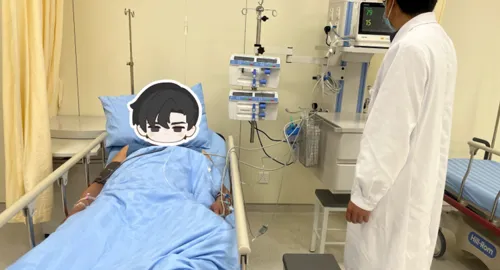
Recently, our department admitted a patient, Mr. Pan, who has been experiencing mild abdominal pain, difficulty in defecating for a month, as well as nausea and abdominal distension, along with a loss of appetite. Strangely, despite undergoing thorough examinations, taking medications, and having a polyp removed from his intestine, his symptoms have not improved.
When routine tests could not explain the situation, the doctor decided to check his blood lead levels. The result reached 825 μg/L, more than eight times the normal value! His wife also exhibited similar symptoms, and upon checking her blood lead levels, it was also found to be above the limits.
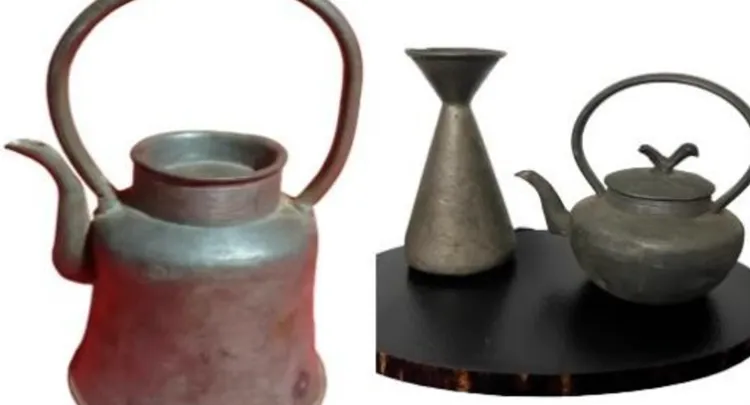
Upon careful inquiry, it was revealed that the Pan family has an heirloom tin kettle, specifically used to hold Huangjiu (yellow wine), and the couple liked to add a spoonful of wine while cooking to enhance the flavor.
Many of the so-called old tin kettles actually have a high lead content. When they come into contact with acidic liquids like wine or vinegar, or during high-temperature cooking, lead can silently dissolve and enter the body through food. Once inside, the body metabolizes lead very slowly, causing it to accumulate in the bones and liver, leading to ongoing health damage. Mr. Pan and his wife's blood lead levels are above normal, and the culprit behind this problem is the inherited tin kettle.
After some time of treatment, Mr. Pan and his wife's blood lead levels have decreased, and their abdominal pain has subsided. Now that tin kettle is stored in a corner and is no longer used for food.
Lead poisoning symptoms are very easy to overlook; initial symptoms are similar to those of a common gastrointestinal illness:
1. Dull pain in the abdomen (especially around the navel), constipation (not improved even with stomach medications).
2. Pale skin, fatigue, and lack of concentration.
3. Loss of appetite, nausea, and abdominal swelling.
4. Fine gray-blue lines known as 'lead lines' appear at the base of the nails.
Three reminders:
Stop using old metal containers to store food, especially acidic liquids like wine or vinegar.
2. Choose containers made of glass, stainless steel, or appropriate ceramics.
If you or a family member experiences unexplained abdominal pain, constipation, or anemia that does not improve with treatment, consider if there has been any related contact and notify the medical staff. A simple blood test can check for blood lead levels.
#salud
#seguridad

© 2025 Tribu Salud.