
cómo determinar si con presión alta se necesita medicación
feb 20, 2026
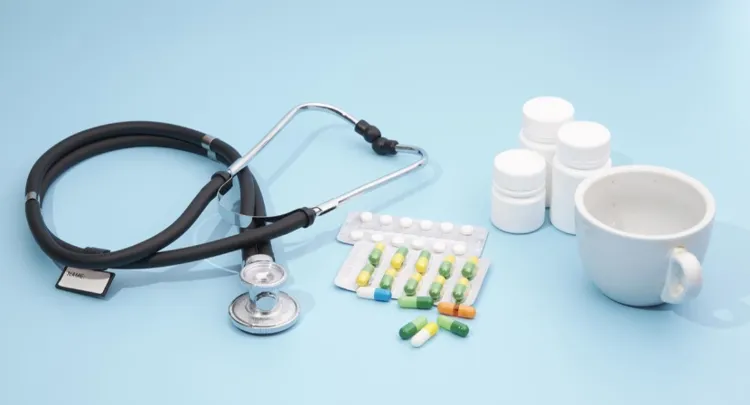
Title: How to Determine if High Blood Pressure Requires Medication Author: Hua Zi Reviewer: Not mentioned Commissioner: Not mentioned Production/Organization: Not mentioned
A friend is very confused. She measured her blood pressure and it just reached 140/90 mmHg. Should she take medication for pressure? Is it true that once she starts taking them she will never be able to stop?
Hua Zi said that a blood pressure of 140/90 mmHg is the diagnostic standard for hypertension in China, but does not necessarily require medication. Different risks have different ways of coping. If an increase in blood pressure is detected for the first time, it is very likely that it can be managed with lifestyle interventions, thus delaying the progression to true hypertension, without rushing to take medication.
The diagnostic standard for hypertension in China is a systolic pressure (high pressure) greater than or equal to 140 mmHg, or a diastolic pressure (low pressure) greater than or equal to 90 mmHg.
However, a single measurement of blood pressure above 140/90 mmHg cannot diagnose hypertension. This is because many factors (such as physical activity, anxiety, alcohol consumption, coffee, urine retention, cold, among others) can cause a temporary increase in blood pressure. Furthermore, during hospital consultations, approximately one-third of individuals may experience "white-coat hypertension," resulting in measurement errors.
Therefore, the diagnosis of hypertension requires that on different days, after adequate rest of more than 5 minutes, three measurements be taken, and all measurements must be equal to or greater than 140/90 mmHg to be diagnosed with hypertension. Additionally, home self-assessment must be more accurate than that in a hospital; however, when measuring blood pressure at home, hypertension is considered when it reaches or exceeds 135/85 mmHg.
The need for pharmacological treatment for hypertension mainly depends on the level of risk. For individuals presenting elevated blood pressure for the first time, fluctuating around 140/90 mmHg and who do not have diabetes, kidney disease, heart disease, or other underlying conditions, there is no need to rush to initiate treatment with medications.
Such individuals have an increase in blood pressure that is likely related to an unhealthy lifestyle. Typical characteristics include obesity, a tendency to stay up late, high-stress levels, and a strongly flavored diet. Through reducing salt intake (from 3 to 5 grams per day), establishing regular sleep schedules, losing weight, and increasing physical activity, it is possible to effectively reduce blood pressure within approximately three months.
However, for those with pre-existing conditions, or whose blood pressure level has already exceeded 160/100 mmHg, or who after three months of lifestyle interventions still do not achieve blood pressure reduction, it is recommended to consult a physician to initiate pharmacological treatment. The target blood pressure should be maintained below 130/80 mmHg, and ideally controlled below 120/80 mmHg.
Everyone should understand that antihypertensive medications are not something that, once started, cannot be discontinued. In reality, hypertension cannot be cured, and continuous treatment is necessary to manage it. It is similar to how individuals with myopia need to wear glasses; it is not that once they wear glasses they cannot take them off, but rather that the glasses only correct vision, they do not restore it to normal. Once the glasses are taken off, the vision will remain blurry.
The most common antihypertensive medications have been validated through decades of clinical application, demonstrating high safety and allowing long-term use with very little risk of causing serious adverse reactions. In comparison to diseases caused by hypertension, such as stroke, kidney failure, and heart failure, the benefits of controlling blood pressure with regular use of these medications far outweigh the risks.
In reality, discovering that blood pressure has reached 140/90 mmHg is more of a wake-up call regarding health. If this opportunity is taken to care for diet, maintain physical activity, and rest well, many individuals can completely avoid the use of antihypertensive medications throughout their lives. If lifestyle interventions do not manage to control blood pressure, there is no need for concern, as early treatment can ensure greater safety in the future.
If blood pressure reaches or exceeds 140/90 mmHg, the first step is to assess the risk. If there are no other diseases and the risk is low, blood pressure can initially be controlled through lifestyle interventions. If blood pressure remains uncontrolled after 3 months or is accompanied by other underlying diseases, early medication management under a doctor's guidance is necessary.
If you have doubts about the use of medications, consult a doctor or pharmacist. I am pharmacist Hua Zi, thank you for following me and I will share more health knowledge.
#manejo de la hipertensión.
#intervención en la vida diaria



© 2025 Tribu Salud.