
¿Por qué sientes hinchazón después de las comidas festivas?
feb 21, 2026
Author: Not specified. Editor: Not specified. Reviewer: Wang Xuejiang, Professor at Beijing University of Medicine. Production Organization: Beijing Scientific Center.
The Year of the Horse has arrived, and the festive atmosphere is palpable. The Beijing Scientific Center has launched a new series of articles titled "Unraveling the Flavor of the Year", covering topics from the return of travelers during the Spring Festival to kitchen smoke, mealtime rituals, and the customs of our fingers. With the key of science, we will reveal those curious codes hidden in festive life. Together, let's decode the New Year and perceive the warmth and wonder behind all things.
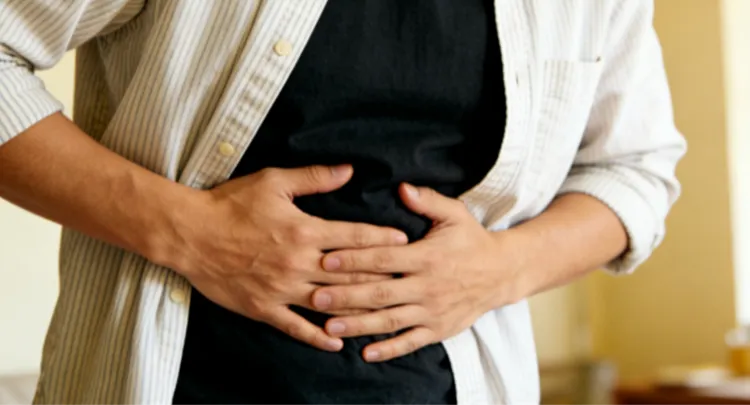
Many people have experienced feeling bloated and uncomfortable in their stomach after eating little; sometimes, even just drinking water can lead to abdominal bloating and difficulty finding a comfortable position. What is the source of this common gastric bloating?
The gas in the stomach mainly comes from several sources: 1. Swallowing air: When eating or drinking, people often unconsciously swallow air, which can accumulate in the stomach to form gas. 2. Food digestion: Certain foods, especially high-fiber foods, legumes, and carbonated drinks, can release gas during the digestion process. 3. Bacterial fermentation: Bacteria in the intestines ferment food, producing gas. This process mainly occurs in the small and large intestines. 4. Chemical reactions: Some foods may undergo chemical reactions with stomach acid or other digestive fluids, which can lead to gas production. These factors work together to cause gas in the stomach.
Abdominal distension, medically known as meteorism, is not an independent disease but a symptom caused by various factors. To tackle it effectively, understanding the sources of these gases is crucial.
Swallowing too much air.
Certain daily habits, such as talking while eating, consuming carbonated beverages, chewing gum, or eating too quickly, can lead to additional air entering the digestive tract when swallowing. Part of this gas is expelled as burps, while the rest moves down into the intestines.
Intestinal fermentation of foods.
Some components of food are not completely digested or absorbed in the small intestine. By the time they reach the colon, they are fermented by gut flora, generating gases such as hydrogen and methane. Foods high in dietary fiber, like legumes, tubers, cruciferous vegetables, and dairy products, tend to produce a considerable amount of gas during this process.
Insufficient gastrointestinal motility.
When gastrointestinal motility is slow and dynamics are reduced, the efficiency of gas expulsion decreases, leading to accumulation in the digestive tract. Prolonged mental stress, sedentary behavior, and certain functional gastrointestinal diseases are often related to this situation.
Frequent bloating does not necessarily indicate gastritis. Although gastritis can sometimes cause bloating, it may also arise from other causes, such as indigestion, dietary habits, food intolerances, or gut flora imbalances. If bloating is accompanied by other symptoms like abdominal pain, nausea, vomiting, or a loss of appetite, it is advisable to consult a doctor for further examination and diagnosis.
Occasional bloating related to specific diets is mostly a functional phenomenon. However, if bloating occurs repeatedly over time and is accompanied by symptoms such as stomach pain, heartburn, acid reflux, early satiety, nausea, etc., one should consider the possibility of chronic gastritis or functional dyspepsia.
Bloating does not have to be a cause for excessive anxiety. One should observe whether it has persistence and severity and check for unidentified significant weight loss, anemia, fatigue, black stools or blood in stools, persistent vomiting, palpable abdominal masses, waking at night due to abdominal pain, and related symptoms. If any of these situations occur, one should seek medical attention promptly.
How to effectively alleviate stomach bloating: 1. Dietary adjustments: Avoid foods that are likely to cause bloating such as legumes, onions, carbonated drinks, etc. Eat more easily digestible foods like rice, bananas, and ginger. 2. Small, frequent meals: Using a small, frequent meal approach, reducing the amount of food consumed each time, can help relieve the stomach's burden. 3. Eat slowly: Slowing down while eating, chewing thoroughly can reduce the air swallowed, thus lowering the occurrence of bloating. 4. Hydration: Maintain appropriate fluid intake for digestion but avoid drinking large amounts during meals to prevent diluting stomach acid. 5. Exercise: Moderate exercise, such as walking, can help promote digestion and reduce bloating. 6. Herbal teas: Drinking soothing herbal teas like peppermint or ginger tea can help relieve bloating. 7. Good posture: Maintaining proper sitting posture to avoid compressing the abdomen aids in digestion. If symptoms persist or worsen, a consultation with a doctor for professional advice is recommended.
Adjust dietary habits.
Focus on your diet, chewed thoroughly, making sure to chew each bite 20-30 times. Avoid talking during meals. Reduce air-swallowing habits, try not to use straws, cut down on chewing gum, and avoid drinking excessively hot beverages (blowing to cool them can increase air intake). After eating, engage in light activity, like walking for 15-20 minutes, and avoid sitting or lying down immediately.
Try physical relief methods.
Abdominal massage in a clockwise direction, slowly drawing circles around the navel with your palm, can promote intestinal movement. Yoga poses for babies can also help expel gas. Additionally, applying a warm towel or a hot water bottle to the abdomen can relax muscles and relieve spasms.
Manage stress and emotions.
Prolonged tension and anxiety can affect gastrointestinal function through the "brain-gut axis", possibly triggering or aggravating abdominal distension. Ensuring adequate sleep and engaging in relaxation practices like meditation and deep breathing can greatly help improve functional gastrointestinal discomfort.
Abdominal distension is a common signal from the body, and in most cases, can be significantly improved with dietary adjustments and lifestyle changes. The main focus should be to closely observe your body's reactions, reduce air intake, identify and adjust sensitive foods, and maintain normal gastrointestinal motility.
If symptoms persist, affect daily life, or any of the mentioned warning signs appear, it is crucial to seek a gastroenterology specialist for a professional evaluation and specific examinations and treatments. A scientific diagnosis is much more effective for resolving issues than self-assessment.
#salud
#digestión
© 2025 Tribu Salud.