
Cómo cuidar tu corazón en el nuevo año: consejos efectivos
feb 23, 2026
Title: How to Care for Your Heart in the New Year: Effective Tips Author: Chen Hui, Fourth People's Hospital of Changde City, Department of Cardiology Reviewer: Hunan Medical Chat Commissioner: (Editor: 92) Profile: During the Chinese New Year, cardiovascular emergencies increase. Preventive measures should be followed to protect health. Keyword: ['Health', 'Festive Life'] The Spring Festival is a time for family celebration, where the old year is bid farewell and the new one welcomed. However, amid the joyful and peaceful atmosphere, an 'invisible crisis' for cardiovascular health often lurks.
Related data indicate that during the Spring Festival period, the number of emergencies due to cardiovascular and cerebrovascular diseases significantly rises compared to regular days. Conditions such as hypertensive crisis, acute myocardial infarction, and stroke become the 'main killers' of health during the holidays. Mastering scientific knowledge of prevention is key to protecting heart health during these festivities, offering greater peace of mind during gatherings and ensuring health remains 'online'.
Guide to 'Heart Protection' for the Spring Festival: Remember the key 'rescue' points.
If the people around you show the following signs of cardiovascular and cerebrovascular diseases, it is necessary to act immediately:
1. Discomfort in the chest.
Chest discomfort is one of the most common warning signs of cardiovascular and cerebrovascular diseases, manifesting in various ways. The patient may feel a sensation of pressure or heaviness behind the breastbone, accompanied by noticeable anxiety. This discomfort may last from 3 to 5 minutes and may radiate to the left shoulder, the inner part of the left arm, and even extend to the ring finger.
This pain is often described as squeezing, constricting, pressure-like, or burning. Symptoms usually subside with rest or sublingual nitroglycerin, often indicating angina.
If the chest pain persists for more than 15 minutes and is accompanied by intense sweating, difficulty breathing, and other symptoms, it is highly likely to be a life-threatening sign of a myocardial infarction, necessitating heightened alertness.
2. Breathing abnormalities.
In the absence of intense exercise, if symptoms such as chest tightness, difficulty breathing, and wheezing develop—even waking up at night due to difficulty breathing and needing to sit up to relieve it—this is likely a manifestation of heart failure.
3. General symptoms.
Cardiovascular and cerebrovascular diseases can also lead to a series of systemic symptoms. Patients may experience unexplained fatigue, dizziness, palpitations, and other discomforts that worsen after physical activity.
Additionally, some patients may also present symptoms such as nausea, vomiting, and cold sweating, which can be easily mistaken for gastrointestinal diseases, potentially delaying treatment.
Guide to 'Heart Care' during the Spring Festival: Remember the 'emergency measures'.
When individuals around you display signs of cardiovascular and cerebrovascular diseases, it is crucial to take timely and correct emergency measures, as this can buy valuable time for patient care.
1. Call 120 immediately, clearly providing the address, symptoms, and medical history of the patient.
2. Keep the patient in a calm and resting position, loosen their collar and belt to ensure easy breathing, and avoid moving the patient unnecessarily.
3. If the patient suffers a sudden cardiac arrest, immediately begin cardiopulmonary resuscitation (chest compressions + artificial ventilation) until emergency services arrive.
4. Patients carrying emergency medications (such as nitroglycerin or fast-acting heart pills) can receive assistance to take them while conscious.
Guide to 'Heart Protection' for the Spring Festival: Strengthening the Health Defense Line.
1. Moderate diet: light and balanced, limiting alcohol consumption.
Following the principle of 'three lows and three highs': low in salt (no more than 5 grams per day), low in fats, low in sugar; consume more fresh vegetables, fruits, whole grains, and quality proteins (such as fish, shrimp, and soy products); control food portions, aiming to feel 70-80% full at each meal and avoiding overeating.
2. Routine: balance work and rest, ensuring adequate sleep.
Try to maintain your daily routine, ensuring 7 to 8 hours of sleep each night, avoiding staying up late to wait for the New Year. You can also take a short break around noon for about 20-30 minutes.
It is sensible to organize your itinerary to visit family and friends, avoiding engaging in high-intensity social activities immediately after long journeys. It is essential to allocate enough time for rest and avoid prolonged sitting while playing cards or using mobile devices. Getting up and moving for 5-10 minutes every hour is recommended to promote blood circulation.
3. Balanced emotions: maintain a calm mindset and avoid extreme reactions.
Keep an optimistic and open attitude, avoid arguing with others over trivial matters, and learn to regulate your emotions. You can relieve stress by listening to soft music, walking, and other methods. Older adults are not advised to experience excessive excitement; when meeting friends and family they haven't seen in a long time, it is important to control emotional fluctuations and maintain gradual communication.
4. Protection against the cold: focus on protection and engage in moderate exercise.
When going outside, dress warmly and wear a hat, scarf, and gloves to prevent your head and extremities from getting cold. The temperature difference between indoors and outdoors should not be too great, as sudden changes in temperature can cause blood vessel contraction.
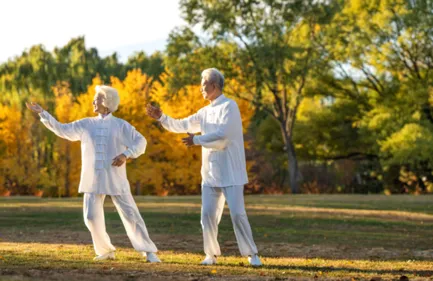
Choose gentle forms of exercise, such as walking or practicing tai chi, and avoid outdoor exercise during low-temperature hours in the morning. The intensity of exercise should be such that it makes the body feel slightly warm, avoiding intense physical activities.
The Spring Festival is a celebration of family reunion, and health is the foundation of happiness. Protecting cardiovascular health not only involves enjoying the joy of the festivities but also maintaining a scientific lifestyle. I wish everyone in the new year peace and joy, that their hearts remain calm and worry-free, and that they embrace every beautiful moment with a healthy body!
Hunan Medical Chat Special Contributor: Chen Hui, Second Ward of Cardiology, Fourth People's Hospital of Changde City.
Follow @HunanMedicalChat for more health information and scientific dissemination.
(Editor: 92)
#salud
#vida festiva
© 2025 Tribu Salud.