
Cómo actuar ante caídas de ancianos en invierno: 5 pasos esenciales
feb 24, 2026
Title: How to Act in Response to Falls of the Elderly in Winter: 5 Essential Steps
Profile: Winter increases the risk of falls among the elderly. Five steps to manage emergencies after a fall are presented.
Have you ever thought that the elderly person at home, who seems healthy and can take care of themselves, is actually facing an "invisible killer"?
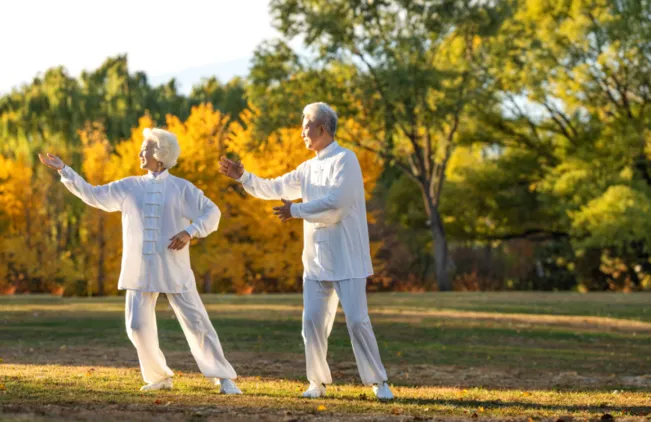
Worryingly, the probability of an elderly person falling and fracturing a bone after morning exercises is as high as 36.84%, with hip fractures posing the greatest danger—both disability and mortality rates are high. Even if they survive, one in four elderly individuals requires long-term care. This winter, let us learn how to safeguard the elderly's safety.
Why is it common for the elderly to fall?
1. The body's functions are silently declining.
As they age, elderly individuals experience a deterioration in various aspects of their health. Vision becomes less clear, hearing is not as precise, sensations in the feet diminish, reactions slow down, and legs feel weaker. These seemingly everyday changes increase the risk of falls in the daily life of the elderly.
Chronic diseases have become a "barrier."
Many elderly individuals suffer from chronic diseases such as hypertension, orthostatic hypotension, and arrhythmias, which affect blood supply to the brain. Nervous system diseases like Parkinson's can impact balance and posture while walking. Peripheral neuropathy caused by diabetes reduces the ability to feel the ground through the soles of the feet. Arthritis may cause the body to be unsteady.
Medications can also "do more harm than good."
Common medications such as antihypertensives and sedatives can cause dizziness, drowsiness, or a sudden drop in blood pressure. These side effects increase the risk of falls in the elderly.
4. Psychological factors should not be ignored.
Some elderly individuals feel "fine" and are reluctant to use a cane; others become stiff while walking due to fear of falling, making them more prone to losing balance.
How can the elderly prevent falls?
The steps to follow after an elderly person falls are as follows:
1. Stay calm and conduct a preliminary assessment.
After an elderly person falls, they should not attempt to get up immediately to avoid causing additional injuries due to improper movements (such as displaced fractures or worsening dizziness, among others). It is important to stay lying down, breathe deeply and relax, check if they can move their limbs, and ask themselves if they feel intense pain, dizziness, or confusion. If the person is conscious and does not exhibit obvious pain, gently try to wiggle the fingers and toes, as well as the joints, to assess the basic condition of the body.
2. Assess the injury and decide on an action.
If there is no intense pain, dizziness, or limitations in movement, one may attempt to slowly roll over to a kneeling position, using a stable object (like a chair or a log) to safely get up. Once standing, rest for a moment and ensure that there are no discomforts before moving. If there is intense pain, inability to move, deformity in the limbs, or confusion, do not attempt to get up by yourself; maintain the original position and shout for help, or call emergency services at 120.
3. Temporary management to avoid secondary damage.
If there is bleeding, apply pressure with a clean cloth or gauze to stop the hemorrhage; if there is swelling, cold compresses may be applied for short periods (10 to 15 minutes each time), but care should be taken to avoid frostbite. If a fracture is suspected, temporarily stabilize the injured area with a splint, cardboard, or rolled-up clothing, ensuring the stabilization covers the joints above and below the injury, preventing movement in the affected area. Conduct an initial self-assessment: determine if consciousness is clear, if there are visible external injuries (such as bleeding or wounds), intense pains (in the head, back, or joints), or limitations in movement (such as the inability to move limbs).
4. Seek medical attention promptly.
Even if the injury looks minor, it is still advisable to seek medical evaluation as soon as possible to rule out hidden injuries such as intracranial bleeding or internal organ damage.
5. Subsequent prevention.
Analyze the causes (such as slippery surfaces, vision problems, medication side effects, etc.) and take specific preventive measures (such as installing handrails, using walkers, adjusting medications, etc.).
The management process should follow the logic of "safety first, assess injuries, scientific assistance, and prevent recurrences": first, avoid rushing to get up to prevent further injuries; secondly, conduct a self-assessment to determine the severity of the injuries and differentiate between emergency and non-emergency situations; next, adopt the correct method to ask for help and assist the injured person according to the severity of the injuries, thus ensuring timely access to professional medical support; finally, through cause analysis and preventive measures, fundamentally reduce the risk of future falls, reflecting a comprehensive commitment to the safety of the elderly.
Winter sports for the elderly focus on "stability, warmth, brightness, companionship, and simplicity." It is important to leave space on paths, allow time to warm up the body, create a safe environment at home to prevent falls, and provide opportunities for bones to receive nutrition and exercise. I hope that each morning exercise session is safe and that every eventuality is protected by professionalism and science.
The cover image for this article is from a copyright photo library, and reproducing it may lead to copyright disputes.
#salud
#la seguridad de los ancianos


© 2025 Tribu Salud.