
¿Cómo manejar la ansiedad y desánimo en vacaciones?
feb 23, 2026
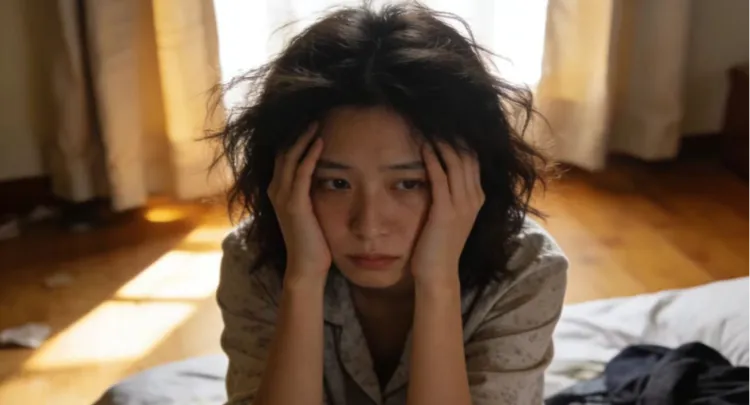
Title: How to Manage Anxiety and Demotivation During Holidays? Profile: Post-holiday syndrome causes anxiety and fatigue, but it can be alleviated with adjustments to schedules and diet. Keywords: ['Mental Health', 'Holiday Syndrome']
Do you feel anxious and drained before or after the holidays end? The long Chinese New Year holiday in the Year of the Horse in 2026, lasting 9 days, is about to come to an end. Have you been feeling inexplicably tired, drowsy, anxious, and unfocused? If so, you are likely experiencing what is commonly known as "post-holiday syndrome." This syndrome typically manifests 1 to 3 days before or after returning from a holiday, and its main causes are as follows: 1. Disturbance of the circadian rhythm: during the holiday, it is common to stay up late and sleep more than usual, which severely disrupts the biological clock. This causes the nervous and endocrine systems not to adapt quickly, leading to issues like insomnia, drowsiness, and lack of energy after the holiday. 2. Irregular eating habits and a heavy burden on the digestive system: during festivities, there are often many meals, including fatty and spicy foods, along with constant snacking and drinking. Excessive or unhygienic intake can increase the burden on the digestive system, causing discomfort or even acute gastroenteritis. 3. The disruption of "motivational conditions": in psychology, this refers to individuals getting accustomed to a regular behavior pattern. During vacations, excessive relaxation (such as being inactive or eating recklessly) creates a sharp transition upon returning to work or school, which can be challenging for both body and mind. 4. The impact of psychological defense mechanisms: in the face of impending work or academic pressure, a subconscious rejection may arise, manifesting as anxiety, which can lead to real physical symptoms.
Post-holiday syndrome manifests specifically at various levels: 1. Physiological level: fatigue and exhaustion are felt, even after sleeping; dizziness and nausea, loss of appetite, and even abdominal distension and pain; muscle aches or decreased immunity, making one more susceptible to colds. 2. Emotional level: anxiety and restlessness occur, as thinking about work causes discomfort; lack of concentration and memory declines; demotivation, and even a mild feeling of depression. 3. Behavioral level: work efficiency is low and procrastination occurs.
So how do we cope with this?
Considering the current prevalence of respiratory infectious diseases such as influenza and gastrointestinal infections like norovirus, in order to maintain physical and mental health, the following countermeasures are recommended:
Firstly, it is advisable to start adjusting your rhythm one or two days prior, gradually recovering to normal schedules. Do not wait until the return day to make the change; begin to go to bed and wake up earlier progressively, thereby approaching normal work and study hours. Ensure sufficient sleep to stabilize your biological clock and improve your immune system.
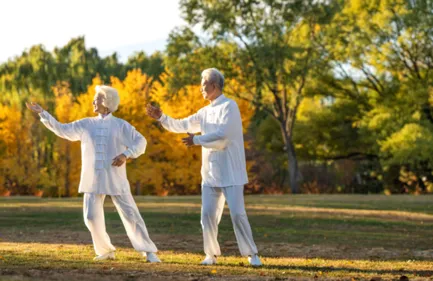
Secondly, it is important to maintain personal hygiene and general health. Exercise outdoors every day, ensure proper ventilation indoors, wash hands frequently, thoroughly clean fruits and vegetables, disinfect kitchen utensils, avoid staying up late, limit alcohol consumption, and quit smoking. Make sure to maintain a balanced diet (i.e., consume fruits, vegetables, meat, eggs, and dairy), reduce fatty, sugary, and heavily flavored foods, drink plenty of water, and keep regular meal times.
The third recommendation is to engage in moderate physical activity and avoid sitting for prolonged periods. Before returning from the holidays, it is suggested to walk, jog, or play ball, which helps promote blood circulation, relieve fatigue, and strengthen the body.
Fourth, organize tasks and change your mindset gently. Make a to-do list before and after returning from holidays (tasks), differentiating between what is urgent and what is important, to prevent task accumulation from causing anxiety. Give yourself an adaptation period; do not expect to start with maximum workload immediately, and return to your normal state gradually.
Fifth, get vaccinated against the flu and other illnesses, and wear a mask when going out, especially for the elderly and those with weaker immune systems.
It should be noted that the manifestations and severity of holiday syndrome vary among individuals. In mild cases, it may not affect daily life, study, or work, and one can return to normalcy with 1 to 2 days of self-regulation. However, if holiday syndrome significantly impacts life, study, or work, it is advisable to seek consultation and treatment from a qualified psychologist or psychotherapist at the earliest. You can also call the nationwide psychological hotline 12356 for assistance. (Cover photo is made by Doubao.)
#salud mental
#el síndrome de vacaciones
© 2025 Tribu Salud.