
¿Qué es el edema linfático en extremidades inferiores y cómo cuidarlo?
feb 27, 2026
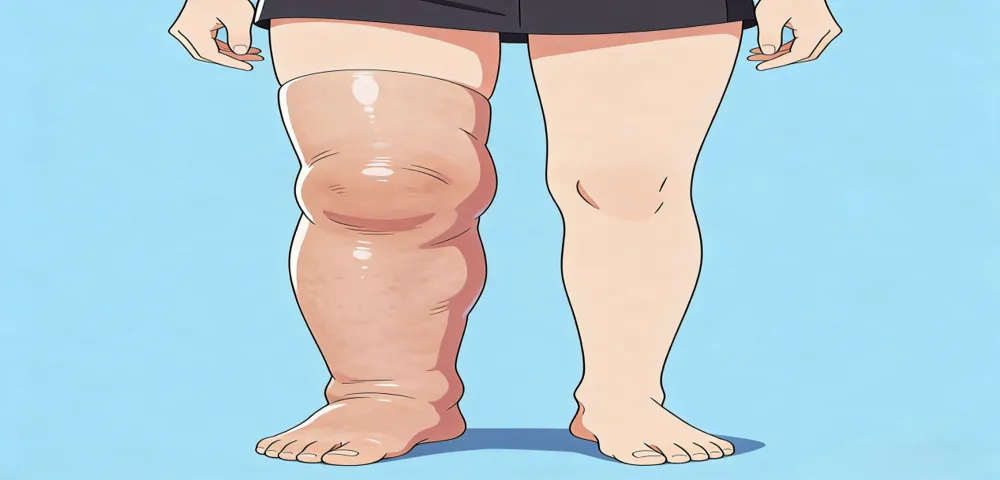
Title: What is Lymphedema in the Lower Extremities and How to Care for It? Author: Zheng Zhenzhen, Supervisor Nurse of the Vascular Surgery Department at Quzhou People's Hospital. Reviewer: Zhang Xinmei, Chief Nurse of the Vascular Surgery Department at Quzhou City Hospital.
For patients with lymphedema in the lower extremities, swelling in the legs not only causes a feeling of heaviness and discomfort but also hides the risk of skin damage. The obstruction of lymphatic return keeps the skin of the legs in a "water retention" state for a long time, as if it were a fragile outer layer, and any carelessness can lead to dryness, cracking, and infections. In turn, infections can exacerbate the swelling, creating a vicious cycle. Therefore, proper skin care is not an additional task but a key aspect in managing the disease.
One reason why the skin of patients with lymphedema is "delicate." The lymphatic system acts as the drainage and nutrient transport system in our body. Once the lymphatic vessels are blocked or damaged, the skin may become especially "sensitive." If nutrition does not reach the skin, it will become dry, fragile, and lose elasticity.
Accumulated lymph fluid can exert pressure on the skin, weakening its protective barrier and allowing bacteria and irritants to penetrate easily.
Prolonged swelling can cause the skin to become thinner, so even a light bump can lead to a rupture, and once it breaks, it is very difficult to heal.
II. Five Basic Steps for Daily Skin Protection.
(1) Cleansing: Gentle and non-irritating.
To clean the legs, use lukewarm water at around 37 °C, avoiding immersion in hot water. Shower time should be limited to 10-15 minutes without prolonging immersion. It is recommended to choose a mild shower gel that does not contain soap, fragrances, or alcohol, and to avoid using exfoliants or abrasive products. During cleansing, there is no need to scrub hard; just gently dry with a soft towel. After showering, use a clean, soft towel to lightly press and dry moisture, paying special attention to drying between the toes and ankles, which are prone to water accumulation, without excessive rubbing.
(II) Hydration: Deep Repair.
After drying the skin, the first 3 minutes are the golden time for hydration. During this period, applying moisturizing products can better retain moisture. It is advisable to opt for products with dense textures and high moisturizing capacity, such as body lotions, moisturizers, or specific creams containing ingredients such as petroleum jelly, lanolin, vitamin E, or ceramides. These components can deeply hydrate the skin and repair the damaged barrier. When applying, start from the ankles, gently extending and massaging upward on the legs until absorbed, paying special attention to dry and rough areas such as the front of the calves, ankles, and heels, while in the spaces between the toes, apply only a small amount.
(3) Protection: Avoid Damage.
In daily activities, it is important to be especially careful to avoid bumps, scratches, burns, or insect bites on the legs. Cotton clothing and socks should be loose, soft, and breathable, avoiding tight, rough styles that do not allow air circulation, to reduce friction and pressure. When trimming toenails, they should be cut straight and not too short, and the edges should not be filed to avoid damaging the nail matrix. If the nails become thick or deformed, it is necessary to seek medical assistance and not try to fix it on your own. In case of itching on the skin, do not scratch; instead, you can gently pat or apply moisturizer to relieve it; if itching is severe, consult a doctor for mild medication.
(IV) Sun Protection: Resist Ultraviolet Radiation.
Ultraviolet radiation can exacerbate dryness and aging of the skin and even cause pathological alterations. When going out, if the legs are exposed, it is necessary to apply a broad-spectrum sunscreen with SPF30+ and PA+++ at least 30 minutes before exposure and reapply every 2 hours. Physical sun protection methods, such as wearing long pants and hats, can also be opted for, and outdoor activities should be avoided during periods of intense solar radiation, especially between 10 AM and 4 PM.
(5) Inspection: Daily Self-Evaluation.
Every night, spend 5 minutes before sleeping to check the skin of the legs, paying special attention to areas that are often overlooked, such as the ankles, spaces between the toes, and calves. Look for swelling, redness, warmth, pain, lesions, blisters, or rashes. Touch with your hand to feel for increased temperature or lumps. If you find any anomalies, note them immediately and consult a doctor; never attempt to treat them on your own.
Three, Prevention of Infections and Warning Signs.
Infection is one of the complications that patients with lymphedema should watch most closely, as it can lead to a sudden worsening of swelling and even trigger more severe issues. Warning signs of infection include: sudden swelling and redness of the leg, fever, and upon touch, a temperature significantly higher than normal skin; the emergence of pain and sensitivity in the skin, which increases upon pressure; a noticeable increase in swelling within a short period that does not relieve with rest; and it may be accompanied by systemic symptoms such as fever and fatigue. If any of these situations occur, it is necessary to see a doctor immediately and follow instructions for treatment with antibiotics without delay.
Four, Common Mistakes in Skin Care.
Mistake 1: The dryer the skin, the more you have to shower. Showering too frequently can remove the oil layer on the surface of the skin, aggravating dryness. It is recommended to shower 2 to 3 times a week and increase frequency if sweating a lot or getting dirty, but avoid using bath products on every occasion.
Mistake 2: More expensive moisturizing products are better. The key to choosing is that the ingredients should be mild, with a high hydration level, and suitable for skin conditions. If there is itching or redness after use, stop using them immediately.
Mistake 3: Wearing tight pants or compression stockings can "squeeze" excess fluids. Tight pants can exert pressure on the lymphatic vessels, exacerbating swelling and causing skin abrasions. Compression stockings should be chosen with an appropriate medical level based on leg circumference and the degree of swelling, and should be put on and taken off gently.
Mistake four: Disinfecting damaged skin with alcohol. Alcohol is highly irritating and can damage injured tissues, intensifying pain and interfering with healing. It is recommended to disinfect with a mild povidone-iodine.
Mistake five: Not feeling pain or discomfort does not mean the skin is healthy. Many skin problems do not present symptoms in their early stages, and when discomfort appears, it may already be quite severe. Therefore, it is crucial to perform a daily self-examination.
Patients with lower extremity lymphedema must persist in skin care for a long time; they must be patient and meticulous, using the right methods.
Good skin care can not only relieve dryness and itching, but also effectively prevent infections and avoid worsening swelling, thereby establishing a good foundation for disease management.
#salud
#cuidado de la piel


© 2025 Tribu Salud.