
¿Los alimentos de un día para otro incrementan el riesgo de cáncer?
feb 28, 2026
Author: Zhang Xu, nurse at the Oncology Hospital of the Chinese Academy of Medical Sciences.
Reviewed by: Zheng Wei, deputy nursing director at the Oncology Hospital of the Chinese Academy of Medical Sciences.
Title: Do overnight foods increase cancer risk?
Profile: Overnight dishes spark heated discussions, nitrite levels are within safe limits, but bacterial contamination risks must be noted; proper storage and reheating are key.
"You can't eat food from the previous day; it's toxic and can cause cancer!" Many have certainly heard this at home, especially from grandparents or parents, who always want to save leftovers for the next meal, while young people worry about their health and prefer to throw them away. In this situation, it is inevitable that small discussions arise at the table. The "culprit" of this assertion is a substance called "nitrite"; is it really as terrifying as claimed? Can we still eat leftover food with peace of mind? Today, we will clarify this matter.
1. What are nitrites? Where do they come from? Nitrites are compounds containing nitrite ions (NO2-), commonly used as food preservatives and additives. They can occur naturally, mainly through microbial action that converts nitrogen compounds into nitrites. Nitrites also naturally exist in some foods, especially in cured and processed meats, as they can inhibit bacterial growth and maintain food color.
Nitrites are salts of nitrous acid formed by the combination of nitrite ions (NO₂⁻) with metal cations such as sodium or potassium. They are quite common around us; many vegetables we usually consume, like cabbage, spinach, and celery, absorb nutrients from the soil (mainly nitrogen fertilizers) while they grow. Over time, these nutrients convert to nitrates within the vegetables. Nitrates themselves do not represent a major problem, but when vegetables are harvested and cooked, and left uneaten, some naturally present bacteria (not harmful bacteria) begin to act. These bacteria work like small "processing workshops," slowly transforming nitrates into nitrites. Therefore, the presence of nitrites in vegetables that have been stored overnight is a completely normal change process.
So can it really cause cancer?
The truth is that what directly causes cancer is not the nitrite itself, but another substance it can convert into in our body.
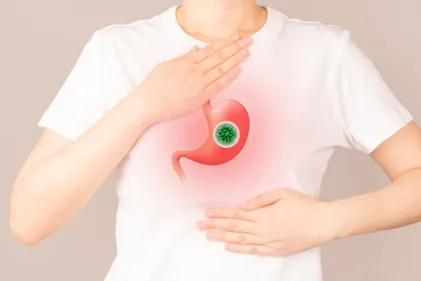
When we consume foods containing nitrites, they can combine in our stomach with "amine" type substances produced by protein breakdown, forming a compound known as "nitrosamine." This "nitrosamine" is internationally recognized as a clear and defined carcinogen.
Upon hearing this, you might feel a bit nervous, but remember the most important thing: any toxicity and danger must be analyzed based on the "dose." But how much of that dose is there really in the leftovers from the previous night? Scientists have conducted numerous experiments and placed cooked food in the refrigerator, measuring it the next day and on the third day to check the nitrite content. The results showed that indeed, the amount increased; for example, after one day, it could be double or even several times more than right after cooking. However, even with this increase, the amount remains far below the safety standard established by the country. For example, the standard stipulates that the nitrite content in processed meat products such as bacon or sausage must not exceed 30 milligrams per kilogram, while a dish of stir-fried vegetables from the night before may contain only a few to ten milligrams per kilogram.
Therefore, it is equivalent to consuming tens or even hundreds of kilos of leftovers at once to reach a toxicity dose, which is practically impossible in real life. This is why the claim that "eating leftovers can cause cancer" is too absolute and meant to scare.
In reality, we should be more concerned about another issue. Compared to that small amount of nitrites, a more real and common danger related to food stored overnight is bacterial contamination. Once the food is ready, airborne bacteria can fall onto it while you serve it, and if you leave the food on the table or in the kitchen for half a day without paying attention, these bacteria will start to multiply rapidly. Consuming food contaminated with a large number of bacteria may immediately lead to diarrhea, vomiting, and abdominal pain, i.e., developing acute gastroenteritis. This risk is much more direct and frequent than the insignificant cancer risk from nitrites.
3. How can we safely eat last night's leftovers?
Since it is unrealistic to avoid leftovers completely, how should we safely handle them?
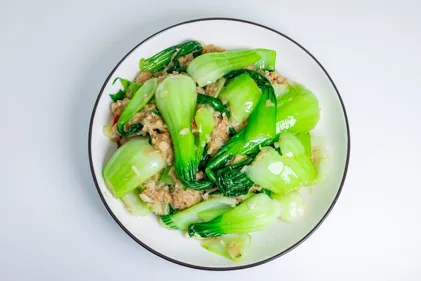
First, "it’s better to leave meat than vegetables." Vegetables (especially leafy greens) are the ones that more easily generate nitrites, so it's recommended to consume them entirely at each meal. In contrast, meat (like spring pork, chicken thighs) and soy products (like tofu) are more suitable for preservation if not finished.
Secondly, do not wait for the food to cool completely before putting it in the refrigerator; this is the most crucial step. We often think that hot dishes should not be put in the fridge for fear of damaging it, but in fact, modern refrigerators are not that delicate. The time it takes for food to cool is the "golden time" in which bacteria multiply rapidly. The correct practice is this: after cooking, if you feel you won't finish the food, you should immediately place it in a clean container or plate, seal it well, and put it in the refrigerator. However, the refrigerator is not a "safe box"; putting food in it only slows bacterial growth, it does not stop it completely. Therefore, it's best to consume leftovers within one day to one and a half days (that is, before noon the next day).
Finally, before eating, it must be "thoroughly heated through." This is the most critical step to kill bacteria; whether microwaved or stir-fried, make sure the dish is steaming hot and steaming from head to toe to significantly kill any bacteria that may have proliferated.
Do not worry too much about the claim that "yesterday's food causes cancer"; the nitrite content in it is not concerning under normal consumption conditions. What we really need to keep in mind is not to allow food to spoil and to avoid ingesting too many bacteria. It's best to develop the habit of cooking only the amount one will eat. However, if there are leftovers, as long as they are refrigerated immediately, consumed soon, and thoroughly reheated before eating, one can eat with peace of mind.
Note: The cover image is from a licensed image library, and unauthorized use may lead to copyright disputes.
#seguridad alimentaria
#dieta saludable.
© 2025 Tribu Salud.