
¿Qué carcinógeno de categoría 1 se oculta en tu estómago?
feb 28, 2026
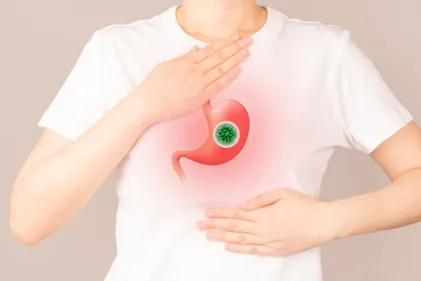
Title: What Category 1 Carcinogen is Hidden in Your Stomach? Profile: Helicobacter pylori is a Class I carcinogen that causes digestive diseases; preventing its infection is key to health. Keywords: ['Digestive Health', 'Preventive Medicine'] Author: Zhang Ying, nurse from the Department of Thoracic Surgery at the Oncology Hospital of the Chinese Academy of Medical Sciences. Reviewer: Zheng Wei, deputy nursing director of the Thoracic Surgery Department at the Oncology Hospital of the Chinese Academy of Medical Sciences. Note: The cover image is from a copyright stock library; its use in reproductions may lead to copyright disputes.
In our body, there is a special bacterium called "Helicobacter pylori". Unlike other microorganisms that coexist relatively harmoniously with humans, in a symbiotic and peaceful relationship, this bacterium has chosen to inhabit a place that other microorganisms avoid at all costs: the stomach, an environment filled with gastric acid.
Recognized by the World Health Organization as a Class I carcinogen, it is not only the main culprit behind gastrointestinal diseases such as gastritis and gastric ulcers but also a key factor in the evolution of gastric epithelium from inflammation to cancer. Now, let us unveil its mysterious veil.
One. The "survival secrets" and the "transmission pathway" of Helicobacter pylori.
Helicobacter pylori belongs to the gram-negative bacteria and has a helical or curved shape.
The reason it can survive in the stomach is that its cell wall can resist corrosion from gastric acid and at the same time secretes urease, an enzyme that can break down urea dissolved in gastric juice into ammonia and carbon dioxide, thereby neutralizing gastric acid. Additionally, it uses the powerful motility provided by its flagella to adhere to the surface of the gastric mucosa, preventing it from being washed away by food. It can even "remain" in a latent state under the surveillance of the immune system for a long period, altering its surface antigens, mimicking components of the host's cells, and regulating the body's immune response.
The bacterium Helicobacter pylori can be transmitted in various ways, with the most common being: person-to-person transmission, fecal-oral transmission, food contamination, mother-to-child transmission, and contamination of medical instruments. For example, sharing kitchen utensils, consuming fruits and vegetables that have not been properly washed, or using medical equipment like gastroscopes that have not been adequately disinfected can facilitate the spread of this bacterium.
Once one family member is infected, the likelihood of others contracting it through close contact within the household increases significantly. Therefore, Helicobacter pylori infection often shows characteristics of "family aggregation". For this reason, prevention within the home is especially important.
After an infection, the body may show various "signals". These can include fever, fatigue, muscle pain, cough, difficulty breathing, skin rashes, lymph node swelling, and other symptoms depending on the type of infection. It is important to pay attention to these signs, as they may indicate the need for medical attention.
Infection by Helicobacter pylori typically does not present specific symptoms. Most people can be infected for years, even decades, without showing obvious symptoms. Many discover the infection inadvertently during a medical check-up or when seeking attention for other gastric discomforts. As the bacteria continue to damage the gastric mucosa, the body may begin to exhibit symptoms such as indigestion, changes in stomach pain, and even anemia and black stools.
Three, a complete guide to detection, treatment, and prevention of Helicobacter pylori relapse!
If you suspect an infection with Helicobacter pylori, the most reliable way is through medical testing. Currently, the commonly used testing methods are mainly divided into two categories:
1. Non-invasive detection (suitable for screening the general population):
The carbon 13/14 urea breath test (the most common method).
Serological test: detection of antibodies against Helicobacter pylori through a blood analysis (commonly used for initial screening).
2. Detection of anomalies (suitable for patients who need a clear diagnosis).
Gastroscopy + pathological biopsy.
Many people panic upon learning they are infected: 'Do I have to develop stomach cancer? Should I start taking medication immediately?' In reality, not all infected individuals require treatment; the physician will comprehensively evaluate factors such as age, symptoms, and medical history, so there is no need to be overly anxious.
Currently, treatment for Helicobacter pylori bacteria has established a mature scheme: quadruple therapy, which consists of 'two antibiotics + one proton pump inhibitor + one bismuth agent'. The duration of treatment typically lasts from 10 to 14 days, and the cure rate can reach 80%-90%. It is important to note that during treatment, patients should follow the doctor's instructions: taking medications on time and in the appropriate dosage, without interrupting the treatment on their own.
Many people worry: 'Will I get reinfected after being cured?' Indeed, there is a possibility of relapse after curing Helicobacter pylori, mainly due to re-exposure to the source of infection. To completely get rid of it, the key lies in "prevention":
1. In the family, public chopsticks and spoons should be used to serve food.
2. Maintain good personal hygiene, wash hands thoroughly before meals and after using the toilet.
3. Pay attention to food hygiene, do not drink raw water or eat raw foods.
4. Regular screening examinations.
Although Helicobacter pylori is classified as a Class I carcinogen by the World Health Organization, it is not an "incurable disease" and does not mean that infection will necessarily lead to cancer.
Its frightening aspect lies in the fact that most people are unaware of its dangers—allowing the bacteria to "run rampant" in the stomach, continuously reproducing and destroying, eventually leading to irreversible pathological changes.
Instead of living in futile panic all day, it is better to take effective preventive measures: implement a separation of meals in the family, pay attention to food hygiene, and in case of confirmed infection, carry out scientific treatment in a timely manner, so that this "stomach assassin" has nowhere to hide. After all, maintaining the health and integrity of the gastric mucosa is the first vital line of defense against stomach cancer.
#medicina preventiva
#salud digestiva


© 2025 Tribu Salud.