
Cuidado con los asesinos silenciosos: benceno y paquímetro en salud
feb 28, 2026

Title: Beware of Silent Killers: Benzopyrene and Health Guidelines. Authors: Zheng Siyu, nurse in the thoracic surgery department at the Oncology Hospital of the Chinese Academy of Medicine; Zheng Chunying, head nurse in the thoracic surgery department at the Oncology Hospital of the Chinese Academy of Medical Sciences. Review: Zheng Wei, deputy director of nursing in the thoracic surgery department at the Oncology Hospital of the Chinese Academy of Medical Sciences. Note: The cover image is from a copyright-protected image library, and unauthorized use may lead to copyright conflicts.
When we enjoy the aroma of barbecue smoke on summer nights, feel the warmth of charcoal in winter around the stove, or cook a colorful and delicious feast at home, a health killer named "benzo(a)pyrene" may be lurking around us.
This name may be unfamiliar to many, but it is very much present in our lives and is classified as a Group 1 carcinogen by the International Agency for Research on Cancer (IARC). Today, we will uncover its true nature and see how to avoid it.
We can imagine that benzo[a]pyrene is a harmful substance produced when something does not burn completely. Just like with wood, fats, and charcoal, if they are not burned properly, the black smoke generated often contains this substance.
Benzo[a]pyrene, this hidden health killer, prefers to hide in many corners of our daily lives.
First, the places it is most commonly found are in our various favorite foods. When you enjoy a barbecue, the fat droplets that fall onto the glowing charcoal generate waves of aromatic smoke, and in this smoke lurks benzo[a]pyrene, which adheres stealthily to the surfaces of food, especially in the areas that are more burned.
Not only barbecues, but also the smoke produced from high-temperature frying, reused fried foods, and charcoal hot pots are common hiding spots.
Furthermore, tobacco smoke is another significant source of benzo[a]pyrene, which enters our bodies either through active consumption or passive inhalation of secondhand smoke.
Additionally, benzo[a]pyrene floats in the air, primarily originating from automobile exhaust gases (especially soot from diesel vehicles) and processes such as coal combustion in factories.
The greatest harm of benzo[a]pyrene is that it increases the risk of cancer. It has been classified by the World Health Organization as a higher-level carcinogen, alongside smoking and alcohol consumption.
When we ingest or inhale benzo[a]pyrene, it does not cause immediate harm by itself, but once inside the body, certain enzymes "process" it and convert it into a highly aggressive substance. This "processed" material directly attacks the DNA (genetic material) of our cells. It can lead to errors in DNA instructions, as if a correct construction blueprint is altered. If the altered instructions pertain to the regulation of "normal growth" and "uncontrolled proliferation" of cells, then that cell may begin to divide uncontrollably, ultimately leading it to become a cancerous cell.
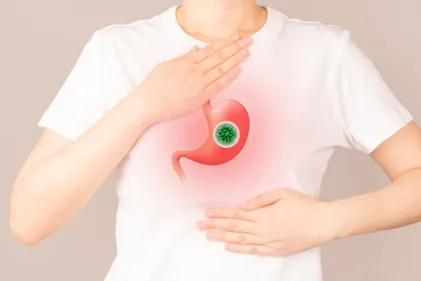
Therefore, prolonged exposure to benzo[a]pyrene is more likely to cause lung cancer (especially related to smoking), stomach cancer, and esophageal cancer (related to frequent consumption of smoked and preserved foods).
Knowing its hiding places and harms allows us to find ways to stay away from it.
First, regarding cooking and eating, we should opt for healthier cooking methods such as steaming and boiling, and reduce consumption of grilled and fried foods. If grilling is really desired, some smart solutions can be sought, such as heating meat in the microwave until it is half cooked to shorten grilling time, or wrapping food in aluminum foil before grilling; this way, fat is prevented from dripping onto the fire, generating harmful smoke, and also prevents food from burning.
Additionally, when frying, it is important to control the oil temperature well; do not wait for the oil to start smoking before adding ingredients. Also, whenever you turn on the stove to cook, make sure to turn on the extractor hood. After finishing cooking, it is advisable to leave it on for another 5 minutes to eliminate residual smoke.
At the same time, in choosing foods, do not frequently consume foods like barbecue, smoked meat, or fried chicken; these can be eaten occasionally, but not every day. It is advisable to consume more fresh vegetables and fruits, as their high dietary fiber content acts like a broom, helping to clean the intestines and allowing the body to expel harmful substances more quickly.
Finally, it is essential not to smoke and to try to avoid exposure to secondhand smoke. On foggy days or when observing black smoke from nearby burning trash, it is recommended to wear a mask and reduce outdoor activities.
We just need to pay attention to these aspects to significantly reduce the damage that benzo[a]pyrene can cause to the body.
Concerning benzo[a]pyrene, we do not need to worry excessively. It is important to understand where the risks lie and to be able to proactively avoid them. Choose healthier cooking methods, such as steaming, and reduce the consumption of burnt food. More importantly, adopt good lifestyle habits, such as not smoking and turning on the extractor hood while cooking. Knowing this information allows us to enjoy life with greater peace of mind; small changes can lead to lasting health protection.
#dieta
#riesgos para la salud

© 2025 Tribu Salud.