
Gastroscopia: cómo protege tu estómago e intestinos
feb 28, 2026
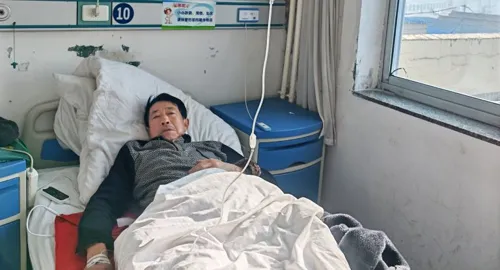
Title: Gastroscopy: How It Protects Your Stomach and Intestines Profile: Gastrointestinal endoscopy is key in detecting digestive diseases and early cancer, thereby improving patient health. Keywords: ['Health', 'Digestive System'] The gastroenterology department regularly sees patients who have been suffering for years without undergoing a gastroscopy. Despite experiencing recurrent stomach pains or reflux, many avoid the procedure due to fear or discomfort.
However, few realize that gastroscopy is the most direct, precise, and irreplaceable method for detecting stomach diseases, serving as the gold standard for early screening of stomach cancer. It is not as painful or frightening as many believe. With advancements in medicine, endoscopy has entered a new era characterized by comfort, minimally invasive procedures, and early cancer detection.
Gastroscopy, formally known as upper gastrointestinal endoscopy, involves the introduction of a thin, flexible electronic endoscope through the mouth or nose, passing through the esophagus, stomach, and the first part of the duodenum. Real-time high-definition images from the endoscope's camera display the internal mucosa on a screen, allowing doctors to observe, evaluate, and make a diagnosis directly.
It can be said that gastric endoscopy is currently the only examination that allows a clear view of the details of the gastric mucosa. CT scans, ultrasound, and barium swallows typically provide only "indirect inferences,” while only gastroscopy can provide direct, accurate, real-time visualization, enabling therapeutic interventions.
The history of gastroscopy spans nearly two hundred years. From the early rigid metal gastroscopes to today’s high-resolution electronic models, advancements have made the devices thinner, more flexible, and clearer, significantly improving patient comfort. The historical process of examination was often painful; however, modern gastroscopes have thinner diameters, enhanced maneuverability, and smoother handling, leading to the widespread acceptance of painless gastroscopy.
One common concern is: Does the gastroscopy hurt? A conventional gastroscopy may cause a sensation of a foreign body, nausea, and gagging, but it is not considered "severe pain" because the gastrointestinal tract has no pain nerves.
Painless gastroscopy completely addresses the discomfort issue. By injecting a short-acting, safe anesthetic intravenously, the patient enters a light sleep state within seconds, allowing the physician to perform a thorough examination.
Anesthesia medications used in painless gastroscopy metabolize quickly and have minimal long-term side effects, meaning they hardly impact healthy individuals at all.
Gastroscopy can detect various diseases, and its value is often underestimated. This procedure helps to identify conditions like gastritis, gastric ulcers, esophagitis, and in some cases, esophageal or stomach cancer. It allows for the evaluation of abnormalities in the esophageal, gastric, and duodenal mucosa.
First, gastroscopy clarifies the causes of various discomfort symptoms, such as chronic stomach pain, bloating, reflux, acidity, burping, difficulty swallowing, early satiety, bad breath, and vague upper abdominal pain.
Second, gastroscopy is the most effective tool for detecting early lesions that may lead to cancer. Conditions like atrophic gastritis, intestinal metaplasia, anisocytosis, and adenomatous polyps are high-risk alterations.
The most important point: gastroscopy is the only gold standard for detecting early-stage gastric cancer. Early-stage gastric cancer often shows no specific symptoms.
In Japan and South Korea, gastric endoscopy has already been integrated into general health check-up programs, significantly improving early detection rates for gastric cancer.
Beyond its diagnostic function, gastric endoscopy is also a powerful minimally invasive treatment tool.
So, who needs to undergo gastroscopy? First, individuals over 40 should have at least one gastroscopy as part of routine screening, regardless of symptoms.
Second, those experiencing stomach discomfort for over two weeks without improvement from medication.
Third, at-risk individuals include those with a family history of gastric cancer, positive tests for Helicobacter pylori, prolonged tobacco and alcohol use, and a high-salt diet.
Fourth, individuals with a history of atrophic gastritis, ulcers, polyps, intestinal metaplasia, or atypical dysplasia requiring regular check-ups.
Fifth, those showing warning signs such as black stools, blood in vomit, unexplained anemia, or rapid weight loss.
Many wonder: Should I undergo gastroscopy if I test positive for Helicobacter pylori? The answer is yes, it is recommended.
Before undergoing a gastroscopy, how should one prepare? It’s quite simple: fasting for over 6 hours is essential.
After the examination, the typical gastroscopy allows for drinking water and eating half an hour later; the painless gastroscopy requires waiting until completely awake.
Is gastroscopy safe? This is a major concern for many people.
Gastroscopy is a well-established and extremely safe examination.
The true danger lies not in the gastroscopy itself but in the refusal to undergo the examination out of fear, delaying early cancer diagnosis.
All of these tragedies could have been avoided with a simple gastroscopy.
We often feel that cancer is far removed from us, unaware that gastric changes are some of the most silent and gradual.
The gastroscopy, this small flexible tube, may lack a shiny appearance, but it carries the important mission of caring for gastrointestinal health.
Fear stems from the unknown, and knowledge brings peace. When you truly understand what gastric endoscopy is, what it can do, and why it is important, you realize it is neither terrifying nor painful.
The stomach is one of the hardest-working organs in our body, operating day and night, but we often overlook it. Gastroscopy is an opportunity for a comprehensive 'check-up' of the stomach.
Do not fear gastroscopy any longer, do not procrastinate your check-ups. Once you undergo a gastroscopy, you will receive a clear diagnosis, precise treatment, and peace of mind, as well as a strong guarantee against stomach cancer.
#salud
#sistema digestivo


© 2025 Tribu Salud.