
Cómo mantener saludables los riñones en la tercera edad y evitar enfermedades
mar 27, 2026
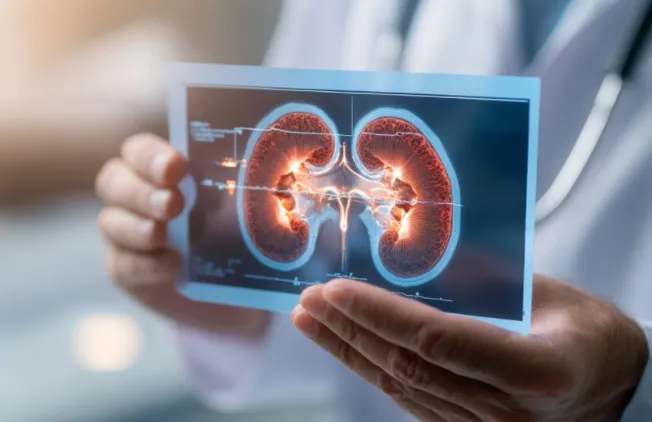
Title: How to Keep Kidneys Healthy in Old Age and Prevent Diseases Author: Yang Huayu, Associate Physician of the Geriatrics Department at Beijing Friendship Hospital. Reviewer: Sun Ying, Head of the Geriatric Medicine Section at Beijing Friendship Hospital. Production: Popular Science China. The cover image of this article comes from a licensed image library. Redistribution may lead to copyright disputes.
With the rapid aging of the population, chronic diseases have become one of the main threats to the health of the elderly. One of these chronic diseases, highly prevalent and dangerous, is known as the "silent killer" because its onset is insidious and it does not present symptoms in the early stages: this is chronic kidney disease. Epidemiological surveys show that the prevalence of chronic kidney disease in people over 60 years old in our country reaches 24.2%, meaning that 1 in 4 elderly individuals has some degree of structural or functional damage to their kidneys. The worrying aspect is that the vast majority of patients do not receive a clear diagnosis until their renal function has significantly declined and they have entered the intermediate or advanced stages of the disease. The kidneys: the body's "purification factory" and the decline of their reserve capacity.
Kidneys: the "purification factory" of the human body and the deterioration of their reserve capacity.
The kidneys are important metabolic organs in the human body. Through the filtration process in the glomeruli and reabsorption in the renal tubules, they eliminate metabolic waste and excess water in the form of urine while retaining necessary nutrients for the body. Young and healthy individuals have sufficient renal reserve capacity, which allows them to maintain normal filtration function even if some renal units are damaged. After the age of 40, renal function begins to show physiological deterioration, with a decline in the glomerular filtration rate of approximately 1 mL/min each year. In the elderly, renal reserve capacity is significantly reduced, and their stress tolerance, such as to medications, surgeries, and infections, also decreases significantly.
Risk factors: What situations accelerate the "aging" of the kidneys?
The development of chronic kidney disease in the elderly is often the result of the interaction of multiple risk factors, primarily including the following aspects:
Aging: Increasing age itself is an irreversible risk factor. In addition to the decrease in the number of nephrons, structural changes such as glomerulosclerosis and tubular interstitial fibrosis may also appear in the kidneys of older individuals, significantly increasing the susceptibility of the kidneys to various damaging factors.
Underlying chronic diseases: In elderly patients with chronic kidney disease, more than 60% of cases of kidney damage are caused by hypertension and diabetes. Poor long-term control of blood pressure can lead to a persistent increase in pressure within the glomerulus, resulting in a state of glomerular hypertension and hyperfiltration, which ultimately leads to glomerulosclerosis. On the other hand, prolonged hyperglycemia damages the glomerular microvasculature through advanced glycation end products and oxidative stress, resulting in decreased filtration function, commonly known in clinics as "diabetic nephropathy."
Kidney injury from medications: Non-steroidal anti-inflammatory drugs, certain antibiotics, and some Chinese herbs have clear renal toxicity. Prolonged or inappropriate use of these medications can directly damage the epithelial cells of the renal tubule, leading to interstitial injury in the renal tubules.
Unhealthy lifestyle: A high-sodium diet can increase the excretion load on the kidneys and affect blood pressure control. Long-term insufficient water intake concentrates urine, increasing the risk of metabolic waste accumulation in the renal tubules. Excessive fatigue can weaken the overall state of the body, indirectly affecting renal health.
Continued effects of acute kidney injury: The elderly, due to decreased physiological functions, are prone to experience acute kidney injury in stress situations such as infections, dehydration, surgery, and shock. Even if recovery is achieved during the acute phase through treatment, some patients may continue to experience irreversible losses of nephrons, which over time may develop into chronic kidney disease.
Detection and identification: capturing the first "clues."
Chronic kidney disease presents insidiously, but through systematic screening and monitoring of clinical symptoms, it is possible to achieve early diagnosis and timely intervention. It is recommended that individuals over 60 years of age undergo at least an annual kidney examination, which should include:
1. Urine analysis: Detection of proteins in urine, occult blood in urine, and microscopic examination of urinary sediments, among others, are the most basic and convenient methods for detecting kidney diseases.
2. Renal function: The filtration function is evaluated through indicators such as blood creatinine and blood urea nitrogen.
3. Renal ultrasound: This can observe kidney size, cortical thickness, structural morphology, and determine if there are abnormalities such as atrophy, stones, cysts, or obstructions.
At the same time, attention should also be paid to possible clinical manifestations that may be related to kidney diseases:
· Edema: Commonly observed in the eyelids and face upon waking, or symmetrical edema in the lower extremities that presents indentation when pressed, suggesting possible sodium and water retention, as well as protein loss.
- Urine abnormalities: The color of the urine is similar to water used to wash meat, strong tea, or is red, which suggests the presence of visible blood in the urine; if there are fine and persistent bubbles in the urine, this indicates proteinuria; a significant increase in the frequency of nighttime urination (≥ 3 times per night) suggests a decrease in the concentration function of the renal tubules.
· Systemic symptoms: Unexplained fatigue, dizziness, pallor, loss of appetite, nausea, itching skin, etc., which may be related to the accumulation of metabolic waste due to decreased renal function, reduction of erythropoietin, electrolyte imbalances, among others.
Once any one or more of the above manifestations appear, timely medical consultation should be sought for a systematic kidney evaluation.
Once diagnosed: scientific management is key to slowing progression.
Once chronic kidney disease is diagnosed, patients and their families should not worry excessively. Through standardized comprehensive management, the speed of deterioration of renal function can be delayed and the risk of complications reduced.
1. Strengthen management of underlying diseases.
For individuals with hypertension presenting comorbidities, antihypertensive medications should be used strictly according to the doctor's instructions, keeping blood pressure within the target range (generally <130/80 mmHg). Those who also have diabetes should regularly monitor their blood glucose, appropriately select medications for blood sugar control, and avoid significant fluctuations in glucose levels while ensuring the renal safety of chosen medications.
2. Nutritional therapy.
The general principle is a low-salt diet (<5 g/day), low-fat, and reduced high-quality protein. Processed meat products, sauces, and high-sodium preserved foods should be limited; intake of high-fat foods, such as organ meats and fried foods, should be controlled; and high-quality proteins such as eggs, milk, lean meat, and fish should be consumed adequately, ensuring sufficient caloric supply but avoiding excess vegetable protein to reduce metabolic load on the kidneys. For those with moderate to severe renal function reduction, a more precise protein intake plan should be developed under the supervision of a clinical nutritionist.
3. Correct use of medications, avoiding renal toxicity.
The elderly should take medications under physician supervision, and it is forbidden to increase or decrease the dose on their own, change medications, or misuse home remedies and dietary supplements. When visiting the doctor, it is important to proactively inform them about the state of renal function so that the physician can avoid the use of nephrotoxic medications and adjust the dosage according to the level of renal function.
4. Lifestyle intervention and regular monitoring.
Maintain a regular sleep schedule, avoid staying up late and overworking; moderate exercise such as walking or practicing tai chi helps improve cardiovascular health and metabolic state; avoid smoking and limit alcohol, control your weight. Conduct regular checks of urine analysis, renal function, and electrolytes. Do not stop medication or interrupt follow-up upon feeling that symptoms have improved.
Conclusion: Protecting the kidneys starts early.
The sooner individuals are informed, the sooner diagnosis and intervention occur, the stronger the defense can be built for the kidneys of elderly individuals, allowing them to enjoy their old age without worries of kidney diseases, in full health and happiness.
#salud renal
#salud de los ancianos



© 2025 Tribu Salud.