
Anciano de 70 años diagnosticado con rara enfermedad síndrome de Mohr
mar 31, 2026
Author: Gao Hui, Department of Neurology, Hunan Provincial People's Hospital. Reviewer: Dr. Xie Chun. Commissioning organization: Hunan Provincial People's Hospital.
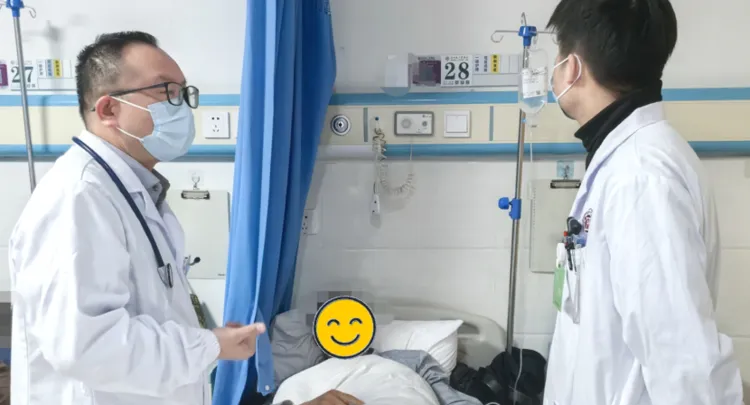
An elderly man, 70 years old, was diagnosed with the rare disease known as Mohr syndrome. Recently, the daughter of Mr. Yu (a fictitious name), a patient suffering from this rare condition, expressed her gratitude to the medical staff at the second department of neurology at Hunan Provincial People's Hospital when she picked up her father from the hospital.
A little over a month ago, Mr. Yu experienced involuntary muscle twitching all over his body, accompanied by generalized numbness, fatigue, and a sharp pain in his feet when walking. After unsuccessful treatment at a local hospital, his family took him to the second ward of the Department of Neurology at Hunan Provincial People's Hospital for further diagnosis.
After his hospitalization, the Chief Physician, Dr. Xie Chun, performed the necessary examinations on Mr. Yu. Based on his symptoms and the results of the tests, he was diagnosed with Mohr syndrome. This is an extremely rare and complex disease; since the first case diagnosed worldwide in 1890, fewer than 200 cases have been reported.
Once diagnosed, the department quickly developed an individualized treatment plan for the patient, which included plasma exchange and hormone therapy, as well as supportive symptomatic therapies to protect the stomach, liver, and kidneys. Following systematic intervention, Mr. Yu's symptoms of pain in the lower limbs improved significantly, and the frequency and intensity of muscle spasms throughout his body decreased. His condition gradually stabilized, and he has now recovered and been discharged.
Mohr syndrome is an extremely rare autoimmune disease, occurring at a rate of less than 1 case per million people. It primarily manifests through irregular muscle contractions, painful cramps, fatigue, excessive sweating, itching in the limbs, insomnia, and mental confusion. It is more common in middle-aged and elderly patients, with a higher likelihood of occurrence in males.
The cause of the disease may be related to tumors such as thymoma and prostate adenocarcinoma, as well as autoimmune diseases and myasthenia gravis. There is also literature suggesting a potential association with heavy metal poisoning, including gold, mercury, and manganese, which can affect the peripheral nervous system, autonomic nervous system, and central nervous system.
Dr. Xie Chun warns that Mohr syndrome is related to abnormalities in the body's own antibodies. Due to the very few reported cases, there is currently no unified standard for its diagnosis and treatment. Clinical diagnosis requires collaboration across multiple disciplines, and treatments vary from person to person, also depending on the cooperation of the patient and their family.
Currently, the diagnosis and treatment system for rare diseases in China is continually improving, but public understanding of these diseases remains insufficient, and tolerance towards patients needs to be increased.
Dr. Xie Chun suggests that to prevent such diseases, one should maintain a good lifestyle, with a nutritionally balanced diet, regular schedules, a calm mindset, and moderate exercise. If symptoms such as unexplained muscle contractions, pain, excessive sweating, or persistent insomnia occur, one should not self-diagnose or self-medicate, nor should they discriminate against patients with rare diseases. It is essential to seek early diagnosis and treatment at a specialized hospital as soon as possible.
Hunan Medical Chat Special Contributor: Gao Hui, Department of Neurology, Hunan Provincial People's Hospital.
Follow @HunanHealthChat for more information on health and scientific outreach.
(Edited YT)
#enfermedades comunes
#enfermedad rara


© 2025 Tribu Salud.