
Cómo hacer que los niños disfruten el pastel verde de primavera y se sientan seguros al comerlo
abr 04, 2026
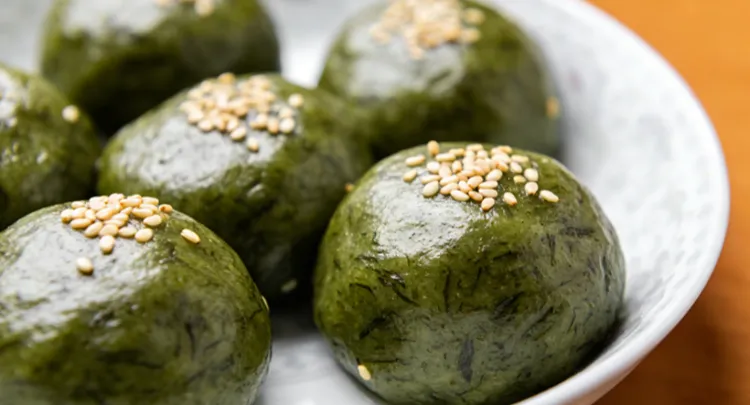
Title: How to Make Children Enjoy Spring Green Rice Cakes and Feel Safe Eating Them. Author: Unknown. Reviewer: Unknown. Commissioner: Unknown. Organization: Unknown.
Spring is in full swing, and the Qingming Festival is approaching, making green and soft rice dumplings the most ceremonial food of this season. Many parents consider these dumplings, made with herbs and natural plants, as an appropriate 'seasonal healthy snack' for children. However, there are many misunderstandings about buying and consuming them that can be easily overlooked. Can children eat them? How to safely choose rice dumplings in the market? Today, an article provides insights to help parents avoid mistakes, allowing children to enjoy the flavors of spring without worries.
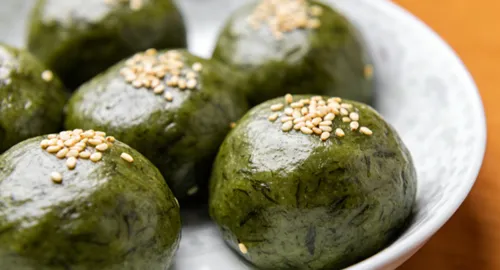
First, the 'green' in Qingtuan does not refer to artificial coloring, but to natural colors extracted from plants. Typically, the color of Qingtuan comes from plants like mugwort and blueberries, which add a unique flavor and color to the dumplings.
Many parents, upon seeing the vibrant green color of qingtuan, first assume that 'dye has been added.' In reality, this is the biggest misunderstanding about this traditional food! The 'green' of qingtuan comes from nature’s gifts, with no addition of artificial colors.
Tracing its origins, the first form of 'qingtuan' appeared during the Southern Dynasties, when people would gather mugwort herbs, pound them to extract their juice, and mix it with flour to make 'longzheban,' which was used to prevent spring illnesses. Today, the qingtuan we consume primarily gets its green color from mugwort or wheat grass. Fresh, tender leaves of mugwort are scalded and ground, and the natural juice extracted is mixed thoroughly with glutinous rice flour, presenting a jade-like color and a light herbal aroma.
Most importantly, mugwort itself is a 'nutrient reservoir,' rich in volatile oils and flavonoids, as well as containing dietary fiber, vitamin A, calcium, iron, and other nutrients. It not only contributes a unique flavor to qingtuan (glutinous rice balls), but also possesses certain antibacterial, anti-inflammatory, and antioxidant properties. This is the scientific basis for the popular saying 'Eating mugwort during Qingming brings no disasters or difficulties.'
Second, can children eat 'qing tuan'?
Many parents worry: Can children with weak stomachs eat green rice cakes? The answer is yes, but it is essential to focus on two keywords: 'in moderation' and 'according to individual circumstances.' Eating them uncontrollably will only add to a child’s stomach burden.
The main ingredients of qingtuan are glutinous rice flour and herbal juice. Glutinous rice is rich in carbohydrates, which can quickly provide energy to children, but its branched starch content is up to 80%, giving it high viscosity. Since children's gastrointestinal functions are not fully developed, excessive consumption can easily lead to issues like abdominal bloating, indigestion, and acid reflux; in severe cases, it may even cause food accumulation.
Additionally, mugwort might not be friendly for some children with allergies, as it can induce skin itching, rashes, and even respiratory discomfort. Hence, it is crucial to take special care and conduct allergy tests when children consume green rice balls for the first time.
Three, when giving children green rice cakes, remember these three points.
For the sake of children's dietary safety, parents must keep these three key points in mind, allowing children to taste the flavors of spring while also protecting their gastrointestinal health: 1. Choose fresh ingredients: Ensure the freshness of the ingredients, avoiding expired or spoiled food. Opt for locally available seasonal vegetables and fruits so that children can enjoy the natural tastes of spring. 2. Attention to dietary hygiene: Before preparing food and eating, always wash hands, ensuring the cleanliness of utensils and cooking tools. Furthermore, separate raw and cooked food to prevent cross-contamination. 3. Control portion size: As the weather warms in spring, children’s appetites may increase, but parents should control the amount of food to prevent overeating leading to digestive issues, maintaining a balanced diet to promote gastrointestinal health. By paying attention to these points, parents can ensure their children's diet is both safe and delicious.
1. Control the amount consumed and reject 'greed': Children under 3 years should avoid swallowing whole cakes (to prevent choking), and they should be allowed to taste small amounts of cut cakes; children older than 3 should not consume more than half a cake (about 30g) at one time, and adults should not exceed 1 to 2 cakes a day to avoid overloading the digestive system.
2. Pay attention to the way of eating, chew slowly and eat it hot: Qingtuan should be eaten hot, as when cooled, glutinous rice becomes hard and harder to digest. It is important to chew well and swallow slowly when consuming.
3. Choose the right filling, low sugar and less burden: In the market, glutinous rice cakes are divided into two types: sweet and savory. Sweet fillings (like red bean paste and sesame) are high in sugar and fat, increasing the risk of cavities and obesity in children. It is preferable to opt for savory fillings like minced meat with bamboo shoots or to make homemade versions with low sugar content, which are more suitable for children.
In addition to consumption precautions for children, parents should also pay attention to certain aspects when buying and storing 'qing tuan.' When purchasing, it is preferable to buy through正规 channels, checking the ingredient list and choosing products where sugar and oil are listed last, avoiding those with overly bright colors or strong odors, as they may contain artificial colors or preservatives. For storage, it is suggested to consume homemade 'qing tuan' freshly made. Store-bought ones should be refrigerated and consumed as soon as possible to avoid microbial contamination that could cause gastrointestinal discomfort. Furthermore, refrigerated 'qing tuan' should be thoroughly heated before consuming to prevent digestive irritation.
From the cold bites of the Tang dynasty, through the offerings of the Qingming Festival during the Ming and Qing dynasties, to becoming a common food in today’s households, Qing Tuan carries millennia of folkloric memories and also encapsulates the culinary wisdom of the ancients who adapted to the seasons. As parents, we can allow our children to experience the charm of traditional festivals through Qing Tuan, and understand the popular culture of 'eating mugwort during Qingming,' while also protecting our children's food safety through scientific methods of consumption and selection.
Spring is brief, and food is precious. I hope every parent can avoid mistakes and peacefully enjoy this zongzi that contains spring and warmth. Amid traditional flavors, may you reap health and happiness.
#nutrición infantil
#dieta saludable.
© 2025 Tribu Salud.