
descubre por qué este superalimento es imprescindible esta temporada
abr 04, 2026
Title: Discover why this superfood is essential this season Profile: Sprouts are nutritious "superfoods," especially in spring, enhancing health and daily nutrition. Keywords: ['Nutrition and diet', 'Organic foods.'] Author: Wang Lu Registered dietitian Member of the Chinese Nutrition Society Review | Zhang Na, associate researcher at the School of Public Health of Peking University, member of the Chinese Nutrition Society. Planning | Yang Yaping Editor: Yang Yaping Review | Xu Lai, Zhang Linlin Source: Official WeChat of Popular Science China. The cover image of this article and the images within the text come from a copyright image library. Reprinting may lead to copyright disputes.
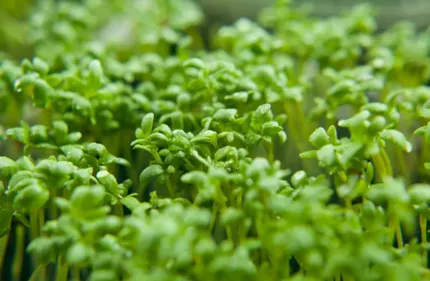
Spring! Finally! It has truly arrived! In the brief spring, there is one type of food whose tasting season, though also short, cannot be missed: sprouts. The term "sprouts" refers to tender shoots and seedlings that grow when specific vegetables just germinate, which can be further divided into "sprouts" and "seedlings." The former usually includes edible parts like the hypocotyl and cotyledons, such as soybean sprouts, mung bean sprouts, and peanut sprouts; whereas the latter directly consumes true leaves or young seedlings, like pea shoots, radish sprouts, and wheat sprouts. Spring really suggests that you consume more sprouts, not only because they are delicious but also because they are "vital superpower ingredients." Sprouts are often more nutritious than "common vegetables." Active plant chemicals are present in higher concentrations, and various studies have shown that the content of active phytochemical compounds in sprouts is generally higher than in their mature state. These substances have positive effects such as antioxidant action, blood sugar regulation, and anti-cancer properties. For example, a study published in 2025 found that the total flavonoid content in amaranth sprouts is higher than in microgreens and mature plants, and the enzyme XO inhibitory activity is also the strongest; however, the same study also noted that in terms of overall antioxidant capacity, sprouts do not surpass mature amaranth. Another comprehensive study compared 17 types of sprouts and indicated that plant-based sprouts have a higher phytochemical content and stronger activity than cereal sprouts. Among them, red carrot sprouts stand out because they have the highest content of phenolic compounds, glucosinolates, and anthocyanins, demonstrating more pronounced antioxidant activity, blood sugar regulation, and cholesterol reduction. National researches have also confirmed that the total phenolic compound content in vegetable sprouts of the cruciferous family is significantly greater than in mature vegetables. Certain nutrients are present in higher levels. Germination is one of the most critical moments for the continuity of plant life. Just as the maternal body prioritizes nutrient supply to the fetus during pregnancy, plants also "mobilize" essential nutrients within themselves during sprouting, increasing their bioavailability. At the same time, they attempt to "suppress" the action of anti-nutritional factors such as oxalate and phytic acid. At this time, by consuming sprouts, we humans enjoy this "preferential nutritional treatment." Research has shown that compared to mature radishes and microgreens, radish sprouts have the highest protein content and also a higher dietary fiber content than mature radishes. Additionally, the vitamin C content in legume sprouts is significantly higher than in dry beans; for example, the vitamin C content in mung bean sprouts is nearly three times that of mature mung beans. It has also been found that mineral contents like calcium, magnesium, iron, and zinc in lettuce sprouts are higher than in mature lettuce. However, there are also studies that have reached different conclusions: Japanese researchers have found that the total vitamin C content in mature broccoli and red cabbage exceeds that of the sprouts, while there are no significant differences in vitamin C content between celery and mustard sprouts and mature vegetables. The high moisture content is one of the significant advantages of vegetable sprouts. Research has shown that the water content during the sprout stage of vegetables is higher than during the mature stage or seed stage. If you want to try growing sprouts at home, the following varieties, which are easy to grow, delicious, and combine well, are highly recommended as options for beginners: 1. Soybean sprouts (yellow soybean sprouts, mung bean sprouts, and pea sprouts) have a high vitamin C content, are easy to chew, and have no special odor, making them very acceptable to the general public. They are ideal for those who typically do not consume many vegetables. Whether in salads, quick stir-fries, or soups, every preparation method highlights their crunchy and delicious flavor. Cultivation method: Select good beans and place them in a container, adding the appropriate amount of water, covering them with a damp cloth, and placing them in a cool, dark place. Water a little each day, avoid light, and in a few days, you will see the sprouts begin to grow. 2. Broccoli sprouts. Planting method: select new seeds of the year and soak them in warm water for 8 to 12 hours. Once the seeds have absorbed enough water, evenly sprinkle them in the cultivation tray lined with a damp cloth, being careful not to plant them too closely. Cover with a damp cloth to avoid light. Spray 2 to 3 times daily to keep the seeds moist. After 2 to 3 days, remove the cloth; maintain an adequate water level at the bottom of the tray and continue spraying daily, gradually increasing luminosity. When the seedlings reach about 10 centimeters, they will be ready for harvest. 3. Red cabbage sprouts. Cultivation method: Similar to broccoli seedlings, the soaking time can be reduced to 6-8 hours. Eating method: They can be prepared in both cold salads or quickly stir-fried with strips of meat. Additionally, by adding various fruits, a fruit salad that is both attractive and delicious can be created. They can also be combined with carrot strips, scrambled eggs, cucumbers, and made into sushi rolls, enhancing both the color and nutrition of the sushi. 4. Buckwheat sprouts. Cultivation method: Similar to broccoli seedlings, the soaking time can be reduced to 4-6 hours. Eating method: A very convenient way to enjoy this is to chop the buckwheat seedlings, add flour, eggs, and water to prepare a dough, and then spread it into crepe form. It makes for a refreshing and nutritious breakfast. When growing sprouts at home, it is important to select quality and fresh seeds; it is also crucial to pay attention to the hygiene of the cultivation container to avoid contamination of seeds and sprouts.
#nutrición y dieta
#alimentos ecológicos.

© 2025 Tribu Salud.