
¿Usar agua caliente o fría al tomar cápsulas? Descubre la forma correcta
abr 04, 2026
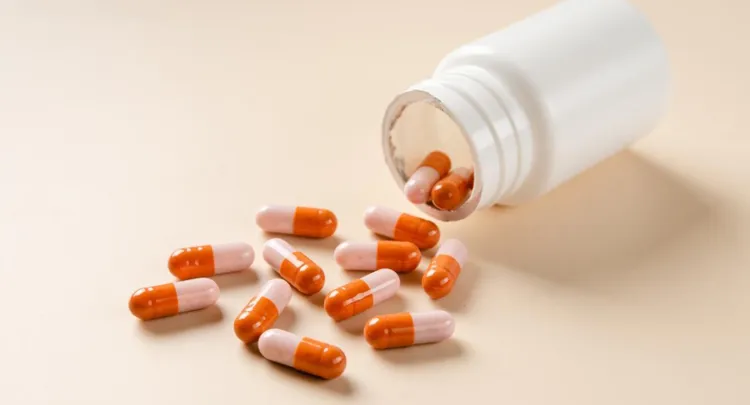
Título: Should capsules be taken with hot or cold water? Discover the correct way. Autor: Zhang Doctor. Revisor: [Nombre del revisor]. Comisario: [Nombre del comisario]. Organización: [Información sobre producción/Organización]. Perfil: Taking capsules with warm water is key to their effectiveness and absorption. Take care of your health by doing it right.
Should capsules be taken with hot or cold water? Some people say that hot water dissolves faster and is better absorbed, while others claim that cold water can protect the efficacy of the medication. Today, we will unravel the "small cover" of capsules and discuss common myths about medication. After reading this, you will no longer have to guess!
The function of the gelatin capsule.
To choose the appropriate water temperature, it is essential to understand why capsules need a shell. The capsule shell is mainly made of gelatin or hydroxypropyl methylcellulose; it is not just extra packaging but a crucial component of precise medication delivery with two core functions.
1. Protect medications from breakdown by gastric acid.
Many medications, such as antibiotics and probiotics, break down and lose their efficacy upon contact with gastric acid. Capsules are designed to envelop the medication and allow it to reach the intestines, where a safe area exists for dissolution, thus ensuring its effectiveness.
2. Protect your throat and gastric mucosa.
Some medications have an extremely bitter taste and are highly irritating. Capsules can encase these medications, preventing direct contact with mucous membranes and reducing nausea and burning sensations.
Water temperature, what is most suitable?
The most recommended water temperature for taking capsules is between 20 and 40°C, meaning the water should feel slightly warm to the touch, not hot. Both hot and cold water have drawbacks, so let's examine each one individually.
1. Hot water
Water above 60°C can cause the capsule to dissolve rapidly, leading to premature release of the medication and a reduction in its efficacy. Additionally, it may cause the capsule to stick to the throat, making swallowing difficult and irritating the stomach, which can cause more noticeable discomfort in patients with gastritis. Water just boiled should be cooled for 5 to 10 minutes to reach an appropriate temperature.
2. Cold water
Cold water can slow down the dissolution of capsules, potentially causing the medication to remain in the stomach too long and be destroyed by gastric juices. Furthermore, it can irritate individuals with sensitive stomachs, causing abdominal pain and diarrhea, which is more pronounced when fasting.
3. Warm water
Warm water can prevent the capsule from dissolving too soon, ensuring that the medication reaches the intestines in time without irritating the stomach, thus reducing the risk of throat obstruction.
Three common medication myths.
Here are several common medication misconceptions that everyone should avoid. 1. Ignoring medication leaflets: Many people do not pay enough attention to medication leaflets, neglecting dosages, frequency, and precautions. 2. Arbitrarily changing medication plans: Some patients stop taking medication or adjust doses when symptoms improve, which can easily lead to recurrence of the condition. 3. Taking medications with food or other drugs: Some medications may have their absorption affected when consumed with food or react with other medications, impacting efficacy. 4. Believing all medications can be taken freely: Some individuals lack basic knowledge and assume that all medications can be taken without medical guidance, resulting in unnecessary side effects. 5. Continuing to use expired medications: Using expired medications may lead to a loss of efficacy or adverse reactions, so be sure to regularly clear out expired medications from your cabinet. 6. Self-diagnosing and medicating: Patients often self-diagnose and medicate based on online information or others' experiences, ignoring professional medical advice, which could worsen the condition. Avoiding these misconceptions can help utilize medications more effectively and promote health recovery.
Error 1
With coffee, tea, or milk, these can interact with medications, reducing their efficacy or increasing side effects. Only certain medications can be taken with milk under medical guidance to decrease stomach irritation.
Error 2
Taking medications with only a small amount of water or swallowing them dry can cause the drugs to stick to the throat, irritate the mucous membranes, and cause ulcers. Therefore, it's advisable to drink plenty of warm water to aid in swallowing the medication.
Error 3
All drugs should be split for consumption, but only regular tablets can be split as needed; sustained-release or controlled-release tablets and capsules must not be chewed or split, as this may lead to adverse reactions.
In summary: Prioritize drinking warm water, try to avoid using hot water to dissolve capsules; drink plenty of water to prevent dry swallowing and throat stickiness; plain water is the best choice, avoid beverages; clarify dosage forms and do not arbitrarily split sustained-release or controlled-release medications. If there are still doubts, consulting the medication leaflet or doctors and pharmacists is the most reliable way, more trustworthy than hearing others' experiences. Follow Dr. Zhang for further insights into health issues.
#errores comunes en la medicación.
#temperatura del agua
#cápsula


© 2025 Tribu Salud.