
Nipah virus: ¿por qué es un riesgo prioritario para la OMS?
feb 01, 2026
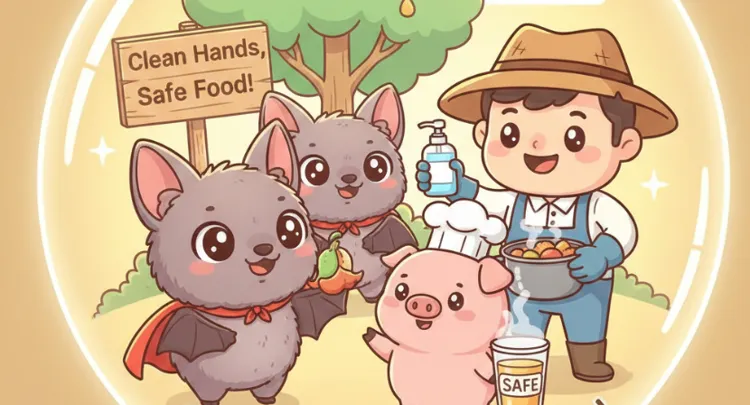
Title: Nipah virus: Why is it a priority risk for the WHO? Author: N/A Reviewer: N/A Commissioner: N/A Production/Organization information: N/A Recently, India reported to the World Health Organization about two confirmed cases of Nipah virus infection. Due to its high mortality rate, ability to transmit between species, and lack of specific medications, it has been classified by WHO as one of the most dangerous pathogens in the world.
According to the requirements of the Centers for Disease Control, the relevant departments of our hospital have reminded all medical staff to increase vigilance against Nipah virus infection. Especially when treating patients from endemic regions such as India, or those presenting suspicious symptoms such as fever, special attention should be paid to conducting detailed inquiries and documenting their recent travel history, in order to identify potential risks in a timely manner and take appropriate prevention and control measures.
The Nipah virus was first discovered in 1998 in Malaysia and Singapore. It is a zoonotic virus primarily transmitted from fruit bats to other animals, such as pigs, and can spread to humans through contact with infected animal fluids or tissues. This virus may cause severe encephalitis and respiratory diseases, and cases have sporadically emerged in various regions over the following years. Understanding the transmission pathways and prevention measures for Nipah virus is crucial for preventing outbreaks.
The Nipah virus was first identified in 1998 in a village in Malaysia named 'Kampung Sungai Nipah.' Initially, pigs in the locality exhibited severe respiratory symptoms, and subsequently, farmers who had been in close contact with them began to show symptoms such as high fever, confusion, disorientation, and even death. Eventually, scientists isolated a new virus from the patients and named it Nipah virus in honor of the place of its discovery.
Who is the 'King of Poison' behind the scenes?
The Nipah virus is a classic zoonotic virus that can be transmitted between animals and humans.
Natural host: fruit bats of the family Pteropodidae, which carry the virus without becoming ill, serve as a long-term reservoir for the virus.
Intermediate hosts: the most common are pigs, although horses, sheep, cats, and dogs, among other domestic animals, may also be infected.
How does the Nipah virus spread to humans? Three pathways clarify the transmission chain.
1. Animal host transmission: The Nipah virus is primarily carried by certain fruit bats (such as flying foxes). When humans come into contact with the saliva, urine, or feces of infected bats, they may become infected. This mode of transmission usually occurs in areas where fruit bats live, especially near fruit trees.
2. Inter-Animal transmission: Infected pigs have also been found to transmit the Nipah virus. When humans handle sick or infected pigs, they may become infected via respiratory or direct contact. In this situation, humans primarily contract the virus through participating in pig farming or pork processing activities.
3. Human-to-human transmission: The Nipah virus can also be transmitted between people, especially in close contact situations. This transmission mode typically occurs in household or caregiving settings, such as caring for infected patients, or sharing a home, utensils, etc., with an infected person. This transmission chain can occur through contact with body fluids (like saliva or urine).
Understanding these three transmission pathways is essential for taking preventive measures to reduce the risk of Nipah virus infection.
1. Bat → Pig → Human
The fruits chewed by the bat fall into the pig pen → pigs eat them and become infected → the virus multiplies in large quantities within pigs → it is transmitted to farmers and slaughterhouse workers through droplets.
2. Bat → Food → Human
In Bangladesh and India, many cases are related to raw date palm juice. Fruit bats lick the juice collected in containers, and if humans drink contaminated raw juice directly, they can become infected.
3. Human → Human
Although it is not as easily transmitted as the coronavirus, Nipah virus can transmit between humans under close contact.
What happens when infected with the Nipah virus? After infection, the following symptoms and conditions may occur:
1. Initial Symptoms: Patients typically present flu-like symptoms such as fever, headache, muscle pain, sore throat, and severe fatigue.
2. Severe Complications: As the illness progresses, symptoms such as difficulty breathing, confusion, seizures, and even encephalitis may develop.
3. Death Risk: Patients infected with the Nipah virus may face higher mortality rates in certain cases, especially when severe neurological symptoms arise.
4. Sequelae: Even survivors may experience long-term health impacts, including persistent neurological issues and mental health problems.
5. Transmission Pathways: The Nipah virus can be transmitted through contact with the body fluids, respiratory secretions, or contaminated objects of infected persons.
In summary, Nipah virus infection can lead to severe health consequences, and early recognition and medical intervention are crucial.
Incubation period: typically 4 to 14 days, but may occasionally extend up to 45 days.
Initial symptoms: flu-like fever, headache, muscle pain, vomiting, and sore throat.
Severe phase: the virus can rapidly cause encephalitis. Patients may experience dizziness, drowsiness, and even coma, along with severe complications such as respiratory failure.
Mortality Rate: the reported mortality rate is between 40% and 75%.
Terrible sequelae: approximately 20% of recovered patients still present long-term neurological sequelae, such as epilepsy or personality changes.
Do we have an antidote?
Currently, there are no specific vaccines or medications, so treatment primarily focuses on supportive care and maintaining respiratory and circulatory function. Therefore, prevention is much more important than treatment.
How to prevent Nipah virus? The Nipah virus is a potentially severe disease-causing virus, making preventive measures essential. Here are some effective prevention methods:
1. Avoid contact with sources of infection: Try to avoid contact with animals that may carry the Nipah virus, including bats and domestic pigs.
2. Practice good hygiene: Wash hands frequently, especially after contact with animals or handling their products.
3. Food safety: Ensure that fruits and vegetables are thoroughly washed, and avoid eating raw foods that may be contaminated.
4. Use personal protective equipment: Wear gloves and masks when handling animals or their secretions to reduce the risk of infection.
5. Enhance public health monitoring: Stay informed about the Nipah virus situation and report suspicious cases promptly.
6. Vaccination: If a vaccine against the Nipah virus is developed in the future, consider vaccination to enhance immunity.
By following these preventive measures, the risk of Nipah virus infection can be effectively reduced.
For the general public, preventive measures include:
Avoiding bushmeat: avoiding contact with bats or their feces.
Food hygiene: When traveling in regions like Southeast Asia and South Asia, avoid consuming fresh date palm juice, unwashed fruits, and ensure pork and other types of meat are well-cooked.
Personal protection: Maintain good personal hygiene, wash hands frequently, and use masks and gloves when living in areas affected by outbreaks.
From an epidemiological perspective, the basic reproduction number (R₀) of the Nipah virus is relatively low, resulting in a weak capacity for sustained transmission within the population, which poses a low risk of large-scale epidemics. Outbreaks are usually regional. Currently, no cases of infection have been reported in our country, but it is necessary to maintain vigilance against the risk of introduction.
Conclusion: The Nipah virus is a warning from nature.
Every time a zoonotic virus outbreak occurs, we are reminded that when humans invade the habitats of wildlife and disrupt the ecological balance, those viruses that originally lurked deep in nature can cross the species barrier and enter human society. Maintaining respect for nature and maintaining good hygiene habits are our most effective weapons to combat this invisible killer.
#salud pública
#enfermedad infecciosa


© 2025 Tribu Salud.