
Fiebre tras mojarse: ¿es la humedad la causa?
feb 03, 2026
Autor: No especificado; Revisor: No especificado; Comisario: No especificado; Organización: No especificada.
Recently, a 69-year-old aunt moved to our community and suddenly developed a fever and felt very weak after working in the rice fields. At first, we thought she was just tired, but her temperature rose to 39°C and she began to tremble and feel cold. When she was taken to the hospital, her condition was already very critical: she had a lung infection, her blood pressure had dropped, and her platelet count was only a tenth of the normal level. She was eventually diagnosed with leptospirosis.
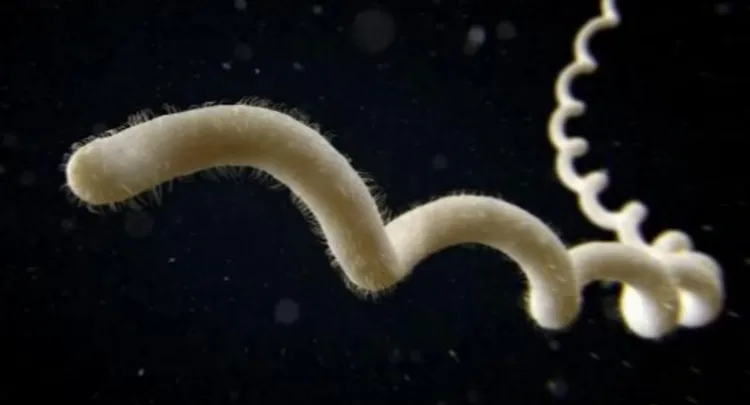
Leptospirosis is a bacterial infection caused by Leptospira. It is usually transmitted to humans through contact with the urine of infected animals or contaminated water sources. Symptoms of this disease may include fever, headache, muscle pain, vomiting, abdominal pain, and rashes. In severe cases, it can lead to kidney damage, liver dysfunction, respiratory problems, and other complications. Leptospirosis is widely distributed around the world, especially in tropical and subtropical regions. Preventative measures include avoiding contact with potentially infected animals and improving water source management.
In summary, it is an infectious disease caused by a bacterium called leptospira.
It particularly thrives in humid environments and often hides in:
The urine of rodents, pigs, and cattle.
Rice fields, water in ditches, and soil contaminated by the urine of these animals.
In wet pastures or crops.
Who is most likely to be affected by it?
- Farmers.
- People who frequently bathe in water for fishing and cleaning ditches.
- Sanitation workers, miners.
- Outdoor enthusiasts who enjoy camping and hiking.
During summer and autumn (especially in rainy periods) is its 'active season', so special care must be taken.
Three, after infection, the body will emit these signals.
(1) Initial stage (easily confused with a cold)
- Fever and chills.
- Headache, general muscle pain (especially in the calves).
I feel weak, unwell, and cannot eat.
Eyes are red (like a little rabbit that has not slept well).
If it takes too long, it could worsen.
- Coughing up blood, difficulty breathing.
- Yellowing of the skin, decreased urine.
- Even coma, shock.
This hospitalized aunt quickly progressed from 'dizziness and fatigue' to 'pneumonia + infection shock', so early identification is very important.
Four. Remember these tips to feel safe when going to work in the fields.
Put on your 'protective armor'.
Before entering the paddies, wear long rubber boots and gloves to avoid direct skin contact with contaminated water and mud.
If the skin has wounds, do not get it wet at that moment.
If your hands or feet have cuts or wounds, make sure to cover them well and wait for the wound to heal before coming into contact with the field water.
After work, clean up immediately.
After finishing work, wash your hands and feet with running water and soap as soon as possible, especially between fingers and toes.
Environmental hygiene is very important.
Clean up weeds and stagnant water around the house, reducing places where rodents can hide.
If you do not feel well, see a doctor soon.
If you develop fever, fatigue, redness of the eyes, or leg pain after being in contact with field water or sewage, do not ignore it and go to the hospital as soon as possible. Be sure to inform the doctor: 'I have been in the fields / I have been in contact with sewage.'
Can it be cured?
Don't worry, it can be cured!
As long as you seek medical attention promptly, use appropriate antibiotics (such as penicillin), and rest with supportive treatment, most people can recover. Like the aunt we treated in our department, she is gradually improving after active treatment.
#enfermedades infecciosas
#educación en salud


© 2025 Tribu Salud.