
Cuidado en vacaciones: pubertad precoz en niños y sus cambios
feb 02, 2026
Author: Health Expert. Reviewer: Pediatric Endocrinologist. Commissioner: Health Department. Production Information: Health Research Institute.
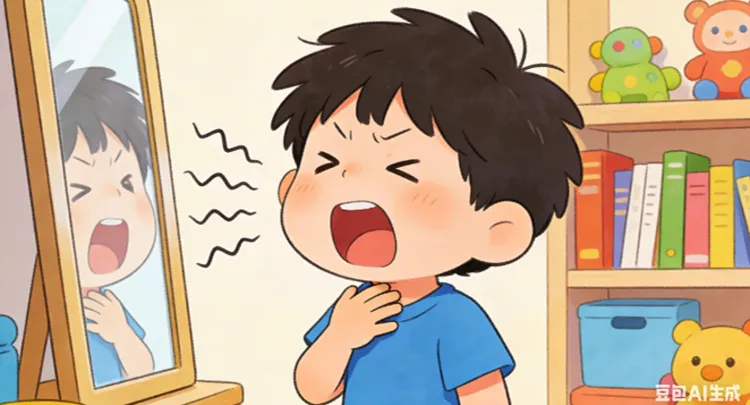
Children who are not yet of age but are showing signs such as voice changes, breast development, pubic hair growth, and rapid weight gain, parents should be alert as this may signal precocious puberty.
Experts in growth and development warn that winter vacations are a key period for detecting precocious puberty in children and carrying out interventions. Do not miss the opportunity for intervention due to misconceptions.
Precocious puberty in children is a common endocrine developmental anomaly, clinically defined as the onset of secondary sexual characteristics in girls before age 8 and in boys before age 9. Its development is closely related to factors such as genetics, excessive nutrition, unregulated supplementation, lack of sleep, and emotional stress. During winter vacations, irregular schedules and increased snack consumption can facilitate the onset or worsening of these symptoms.
How can parents detect if their child suffers from precocious puberty? The symptoms of precocious puberty are specific, and careful observation by parents can help catch abnormal signals in time.
(1) Typical symptoms in girls.
Before 1.8 years, breast development occurs with the presence of palpable nodules and painful sensitivity.
2. Premature growth of pubic and axillary hair, hyperpigmentation of external genitalia.
3. Menarche arrives too early.
Typical symptoms in boys.
1. Before 9 years, increase in the size and thickness of the testicles and penis.
2. Appearance of pubic hair, axillary hair, and beard prematurely, and voice becomes thicker and hoarse.
3. Occurrence of nocturnal emissions.
After finding signs of precocious puberty, the first step is to take the child to a pediatrician or an endocrinologist for a detailed evaluation and diagnosis. The doctor may recommend necessary tests, such as hormone level checks and imaging studies, to determine the cause of precocity. Depending on the situation, the following measures may be taken: 1. Observation and monitoring: If the precocity is mild, the doctor may suggest regularly monitoring the child's growth and development without immediate intervention. 2. Medication: In some cases, the doctor may recommend the use of hormone suppressants to slow the progression of precocious puberty. 3. Psychological support: Since precocious puberty can affect the psychological and emotional development of the child, counseling may also be an important part. 4. Education and communication: Open communication with the child to help them understand bodily changes and to provide appropriate support. Timely medical attention can ensure appropriate measures are taken to address precocious puberty, contributing to the child's healthy growth.
Research indicates that the proportion of girls with precocious puberty is significantly higher than that of boys. If precocious puberty is not intervened in time, it can lead to premature bone closure, which affects height in adulthood and can also generate feelings of inferiority, anxiety, and other negative emotions in boys, thus compromising their mental health.
However, intervention must follow principles of professional evaluation and appropriate treatment. Once abnormal behaviors are detected in the child, it is crucial to go to an official hospital's growth and development department; one should not make a judgment on their own nor act impulsively.
Parents can do the following in daily life:
1. Regular monitoring: It is recommended to establish a growth and development record starting at age 3, conducting a comprehensive evaluation of growth and development and assessing bone age every six months to a year.
2. Reasonable diet: maintain a balanced diet, reduce the consumption of fried foods, sugary drinks, and supplements, and avoid excessive nutrition.
3. Health care: create a relaxed family environment, avoid excessive pressure, and guide children to stay away from adult-oriented audiovisual and literary content.
4. Regular routine: Encourage children to go to bed and wake up early, ensuring sufficient sleep and scheduling an adequate amount of outdoor activities every day.
Precocious puberty has a profound impact on children's growth and psychological development, and early intervention can maximize available growth space. During winter vacations, there is ample time that does not interfere with daily studies, providing an excellent opportunity for parents to review possible developmental issues in their children.
Let us take advantage of this winter vacation to take children for a complete check-up in the growth and development department. Timely detection, early diagnosis, and early intervention help children avoid developmental risks and navigate adolescence in a stable and healthy manner.
#salud infantil.
#crecimiento y desarrollo


© 2025 Tribu Salud.