
cómo usar correctamente las medias elásticas para cuidar tus piernas
feb 02, 2026
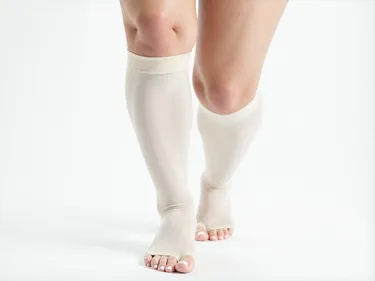
Title: How to Correctly Use Compression Stockings to Care for Your Legs Author: Zhang Xinmei, Chief Nurse of the Vascular Surgery Department of Quzhou Municipal Hospital. Reviewer: Cheng Guobing, Head of the Vascular Surgery Section of Quzhou People's Hospital. Note: The cover image is from a copyrighted image library; unauthorized use may lead to copyright disputes.
Compression stockings, also known as medical compression stockings (MCS), are a type of long stockings that apply graduated pressure to the legs. Their design is based on strict medical technical standards, with the principle of graduated pressure established by applying the highest pressure at the ankle, which gradually decreases as it moves up the leg towards the heart.
Many people, by ignoring the details about the use and cleaning of compression stockings, not only cause these stockings worth hundreds of yuan to wear out prematurely but may also exacerbate discomfort in the legs and even harm vascular health. Today, we will break down these common mistakes to ensure they truly become 'guardians' of leg health.
Mistake One: The tighter the compression stockings, the better. Compression stockings are classified into three pressure levels (level one low pressure 16-22 mmHg, level two medium pressure 23-36 mmHg, level three high pressure 37-46 mmHg), and should be chosen according to clinical condition: level one is suitable for prevention and mild symptoms, level two is suitable for moderate to severe symptoms and postoperative recovery, and level three is only suitable for patients with severe edema or ulcers (under medical guidance). Blindly choosing high-pressure models or wearing excessively tight stockings can compress arteries, causing blood flow insufficiency in the legs, which may lead to numbness, coldness, and pain.
Mistake Two: The longer they are worn, the better. For daily prevention or individuals with mild symptoms, it is recommended to wear them during the day and remove them at night to allow blood vessels to relax; patients with moderate to severe symptoms or in postoperative recovery can extend the wearing time as per medical advice, but it is not necessary to wear them continuously for 24 hours, as this could lead to poor skin ventilation, infections, or affect normal muscle contraction.
Mistake Three: Randomly buying 'compression socks' is not enough. Regular compression and slimming socks do not provide even pressure and have poor fit, which prevents achieving the desired results and may cause localized compression. It is necessary to obtain them through hospitals, authorized pharmacies, or medical equipment platforms, and choose the size and pressure level under the guidance of a professional.
Mistake Four: Wearing compression stockings does not eliminate the need for other care. Compression stockings are an ancillary tool and should be complemented with a healthy lifestyle: moving every 30 minutes for 5 minutes (doing toe and heel exercises), monitoring weight, avoiding tight clothing and high heels, and elevating the lower extremities during rest (above heart level) to achieve the best results.
Not everyone is suitable for wearing compression stockings; the following groups can achieve clear benefits: 1. Patients with varicose veins: compression stockings can help improve blood circulation and relieve venous pressure. 2. People who stand or sit for long periods: such as nurses, teachers or office workers, wearing compression stockings can prevent leg swelling and fatigue. 3. Pregnant women: during pregnancy, blood circulation changes, and compression stockings help alleviate leg discomfort. 4. Athletes: wearing compression stockings during exercise can enhance blood flow, reduce the risk of injury, and promote recovery. 5. Individuals with a history of thrombosis: compression stockings can help prevent venous thrombosis, suitable for individuals with related medical history. These groups can see significant benefits from wearing compression stockings, but it is best to consult a professional doctor before selecting them.
The following groups absolutely should not wear compression stockings, as they may pose serious risks: 1. Patients with arterial thrombosis: compression stockings may worsen blood circulation issues and lead to thrombus dislodgement. 2. Patients with severe heart disease: individuals with heart failure may experience additional cardiac burden from wearing compression stockings. 3. Patients with skin diseases: such as eczema, infections, or open wounds, wearing compression stockings may lead to further skin irritation or worsen infections. 4. Diabetic patients: poorly controlled blood sugar levels may lead to peripheral neuropathy; wearing compression stockings could result in poor blood circulation. 5. Patients with severe kidney disease: this may affect fluid balance, and wearing compression stockings could exacerbate kidney load. Before considering wearing compression stockings, it is best to consult a doctor to ensure safe use.
If any of the above conditions apply or you are unsure about your suitability, it is recommended to first consult a vascular surgeon to avoid blind usage.
How to properly wear compression stockings? Here are specific wearing methods: 1. Choose the right size: ensure the compression stockings fit your legs. Measurements can be taken according to the manufacturer's recommendations. 2. Prepare the stockings: before wearing, turn the stockings inside out to facilitate easier donning. 3. Sit down: find a comfortable place to sit with your legs elevated to reduce pressure on the legs. 4. Put on the stockings: starting from the toes, gradually slide the stockings up your legs, being careful not to tug. Ensure the stockings fit snugly against your legs without being too tight. 5. Adjust the position: after wearing, gently adjust the stockings to ensure there are no folds for a smooth fit. 6. Regular checks: after wearing for a while, check the comfort and appropriateness of the stockings to ensure they are not slipping or curling. By following these steps, you can ensure the proper wearing of compression stockings and improve their effectiveness.
The correct maintenance methods for compression stockings mainly include the following points: 1. Cleaning: compression stockings should be regularly washed, hand-washed in warm water with neutral detergent, and avoid bleach or softeners. After rinsing with clean water, gently squeeze out excess moisture without wringing. 2. Drying: after washing, lay flat or hang to dry, do not expose directly to sunlight, as high temperatures can cause deformation of elastic fibers. 3. Storage: when not wearing them, store the compression stockings flat to avoid repeated folding or squeezing, and place them in a dedicated sock storage box. 4. Wearing precautions: be careful not to catch the stockings with nails or sharp objects to avoid damaging the elastic fibers. 5. Wearing frequency: properly arrange the wearing frequency, avoid prolonged wear, and give the stockings adequate rest time to help extend their lifespan. By following these methods, you can effectively prolong the lifespan of compression stockings and maintain their comfort and functionality.
Since GCS materials and manufacturing processes vary among different manufacturers, cleaning methods may also differ. Therefore, it is recommended to consult the manufacturer's manual for cleaning requirements.
In summary, the proper use of medical elastic stockings is an 'auxiliary guard' for leg health. Avoiding usage errors, selecting the appropriate type, and maintaining good daily care are essential for them to fulfill their function. If you already exhibit symptoms such as persistent swelling, prominent varicose veins, or pain and heaviness in your legs, it is recommended to consult a doctor for an examination and establish a leg care plan under their guidance.
#salud
#medias de compresión



© 2025 Tribu Salud.