
¿Qué es la hipertensión primaria y cómo entender sus efectos?
feb 02, 2026
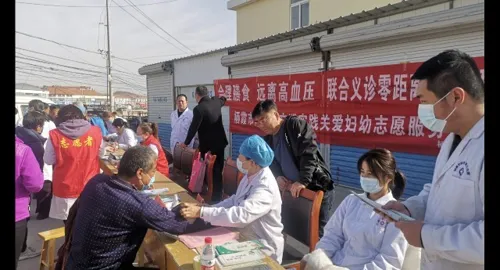
Title: What is Primary Hypertension and How to Understand Its Effects? Author: Unknown. Reviewer: Unknown. Commissioner: Unknown. Production/Organization Information: Unknown.
The "silent red line" of blood pressure: Do you really understand primary hypertension?
In our lives, there exists a "silent killer" that threatens our health without making noise: primary hypertension. You may have seen that dazzling red arrow in your medical report or heard someone around you mention it, but do you really understand it? Today, we will unveil its mysterious facade, learn about the true nature of this "killer," and see how we can confront it.
Firstly, the "current situation" of hypertension in China: alarming data.
Did you know that the total number of hypertension patients in our country has already surpassed 300 million? Even more concerning is that approximately 1 in 3 adults suffers from hypertension, and more than half of the patients are unaware that they have it. This means many hypertensive patients walk in the dark, not knowing they are treading a dangerous path.
Blood pressure, in simple terms, is the pressure that blood exerts on the walls of blood vessels as it circulates. The pressure generated when the heart contracts to pump blood is called systolic pressure (high pressure), and the pressure in the blood vessels when the heart relaxes is called diastolic pressure (low pressure). Medically, hypertension is diagnosed when systolic pressure is ≥ 140 mmHg and/or diastolic pressure is ≥ 90 mmHg. Primary hypertension accounts for more than 90% of hypertension patients; it is not caused by a single factor but results from the combination of multiple factors over time. It is like an elastic band that, if stretched too much for too long, will eventually lose its elasticity; our blood vessels are similar.
Who is silently elevating your "blood pressure line"?
1. Genetics: one of the behind-the-scenes drivers.
If parents have hypertension, the risk of their children developing hypertension significantly increases, but this is not a "fate verdict." Inheritance only provides us with a "baseline score," and the subsequent lifestyle is key to determining whether we will develop hypertension.
2. High-salt diet: the main "accomplice."
Sodium ions in salt act like sponges, "retaining" water in blood vessels, which increases blood volume and consequently elevates blood pressure. In China, daily salt intake reaches 10.5 grams, far exceeding the 5 grams recommended by the World Health Organization. Let's consider pickles, soy sauce, monosodium glutamate, and even some processed foods that, without us realizing it, are increasing our salt intake.
3. Stress, smoking, alcohol consumption, and lack of exercise: the "four brothers" come together.
These harmful lifestyle habits are like four bad brothers, destroying the vascular endothelium, causing blood vessels to stiffen and narrow, which naturally increases blood pressure. For example, chronic stress can make the body secrete certain hormones that cause vessel contraction; smoking damages the vascular endothelium, making blood vessels lose elasticity; alcohol consumption stimulates the heart, accelerating heart rate and increasing blood pressure; lack of exercise, in turn, slows down our metabolism and causes fat accumulation, further exacerbating the burden on blood vessels.
Three. Silent alarms: the "distress signals" emitted by the body.
Hypertension often does not present obvious symptoms in its early stages, which is why it is called "the silent killer." However, the body sometimes emits subtle signals; if you notice them, it is important to pay attention:
Dizziness, headache: especially a feeling of pressure at the back of the head, which is more pronounced in the morning.
Tinnitus and insomnia: I feel a buzzing in my ears and have difficulty falling asleep at night.
Palpitations, fatigue: with slight physical effort, I feel anxious and short of breath, I feel very tired.
Neck stiffness, facial flushing: even unexplained nosebleeds.
These symptoms can be easily mistaken for "not having rested well," but they are likely due to the blood vessels being overloaded because of high pressure. As many as 60% of patients with hypertension already face the risk of a heart attack or stroke at the time of their first episode!
Fourth part: Avoiding pitfalls: three major cognitive "traps."
Common mistake one: "If there are no symptoms, treatment is unnecessary."
This is one of the most dangerous misunderstandings. The dangers of hypertension are cumulative, like the case of a frog in warm water. The goal of treatment is to protect vital organs such as the heart, brain, and kidneys. Even without symptoms, hypertension is silently damaging your blood vessels.
Mistake 2: "Antihypertensive medications create dependence; once you start taking them, you cannot stop."
Antihypertensive medications are not addictive drugs; their function is to help regulate blood pressure, similar to how people with myopia need to wear glasses. Discontinuing treatment without authorization may result in a sharp rebound in blood pressure, which can be more dangerous. Any adjustments in medication should be made by a doctor, based on the specific situation of the patient.
Mistake number three: "Once blood pressure is normal, one can eat and drink without restrictions."
Managing hypertension is a lifelong task; even if blood pressure is stably controlled, it is necessary to maintain a healthy lifestyle. Occasional excesses can lead to fluctuations in blood pressure and even serious consequences.
Five, scientifically reducing pressure: "double wheel in action" between medication and lifestyle.
1. Pharmacological treatment: the basis for controlling blood pressure.
Currently commonly used antihypertensive medications include diuretics, calcium channel blockers, and angiotensin-converting enzyme inhibitors. These medications have different mechanisms of action, and doctors will select the appropriate medication based on the patient's specific situation. One should not purchase medication on their own or trust folk remedies, and must use medications under the guidance of a doctor.
2. Lifestyle intervention: equally important, and it can even reduce medication dosages.
The "three reductions" diet: reduce salt (less than 5 grams per day), reduce oil, and reduce sugar. It is recommended to consume more vegetables, fruits, whole grains, and low-fat dairy products, and to consume less red meat, treats, and sugary drinks.
The "three needs" of exercise are: be regular (at least 5 days a week), be moderate (more than 30 minutes each time), and be safe (choose suitable exercises, such as fast walking, jogging, swimming, etc.).
Managing "three things": manage weight (BMI).
Six, family self-assessment: be your own "guardian" of health.
Monitoring blood pressure at home is crucial, as it can reflect actual blood pressure levels and avoid "white coat hypertension" (which occurs when blood pressure increases due to stress when arriving at the hospital). It is recommended to choose an electronic arm sphygmomanometer and measure pressure at the same time every day (for example, after getting up in the morning and before going to sleep at night). Before measuring, one should remain at rest for 5 minutes, and the cuff should be at heart level.
The target for blood pressure control is generally below 140/90 mmHg. For high-risk populations, such as those with diabetes or coronary artery disease, it is recommended to be below 130/80 mmHg.
Seven, a true wake-up call.
Aunt Liu, 63 years old, underwent a medical check-up and was found to have a blood pressure of 167/95 mmHg. Without presenting any symptoms, she refused treatment. Three years later, she suffered a stroke, resulting in paralysis on one side of her body. She laments: "If I had known how important blood pressure is, I definitely would have taken treatment seriously from the beginning."
This case tells us that hypertension is like a hidden time bomb; we cannot ignore it just because it does not present symptoms. From now on, take action: buy a blood pressure monitor and measure it twice a week. Make small changes, which collectively become a powerful defense for your blood vessels. Your blood vessels deserve special care. Do not let silent hypertension rob you of your healthy time in the future.
Eight, active management, gain proactive control of health.
Primary hypertension, although it cannot be cured, can be effectively controlled. It is more like a "friend" that requires long-term dialogue rather than an uncontrollable "enemy." Start taking action from now:
Buy a blood pressure monitor and measure your blood pressure twice a week.
Make small changes; together they form a powerful force to protect the blood vessels.
Health begins with knowledge. Information is the best "medicine for pressure"; knowing it, facing it, and managing it is the best investment in life.
#salud cardiovascular
#gestión de la salud


© 2025 Tribu Salud.