
Cómo evitar molestias en el cuello y espalda al volver al trabajo
feb 25, 2026
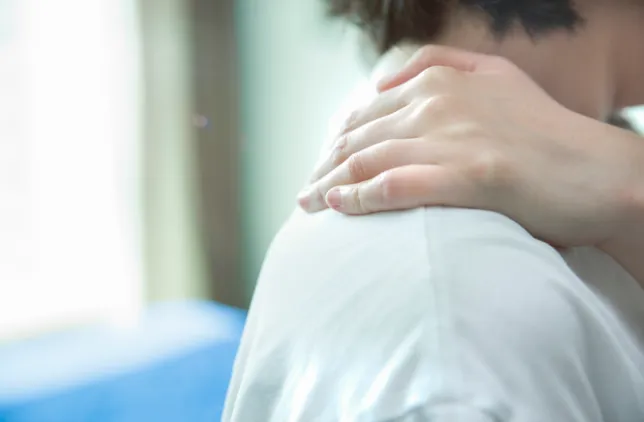
Title: How to Avoid Neck and Back Discomfort When Returning to Work. Many people suffer from neck and back pain due to poor posture after the holidays. It is recommended to correct these postures and engage in exercise. Author: Dr. Feng Shuaihua, Deputy Director of the Orthopedics Department (Spine Surgery) at the Hunan Provincial Integrated Traditional Chinese and Western Medicine Hospital (Affiliated to the Hunan Institute of Traditional Chinese Medicine Research). Reviewers: Not specified. Publisher: Hunan Provincial Integrated Traditional Chinese and Western Medicine Hospital.
The Spring Festival has just passed, and many people, due to the festivities, have spent nights playing cards, binge-watching series, or driving long distances. After returning to work, it is common for the neck, shoulders, and waist to start to 'sound the alarm.' Dr. Feng Shuaihua has prepared a guide to care for the spine after the holidays. With a comfortable spine, returning to work will be much easier.
These 'comfortable postures' are the most damaging to the spine.
The 'Ge You' posture is the principal enemy of the spine.
Many people think that lying on the sofa, watching series, and looking at their mobile phones is the most comfortable way to relax. However, did you know that when in the 'Ge You' position, the spine lacks sufficient support? In this posture, the lumbar area is suspended, and the cervical region is under pressure, which over time can lead to kyphosis. Data indicate that in a lying position, the pressure on the lumbar region is 25% of body weight, while standing it is about 75%, sitting upright increases it to 100%, and when sitting hunched, the pressure can reach up to 150% of body weight.
2. Sitting for long hours working and entertaining is a precursor to a 'strike' from the spine.
In the office or during leisure moments, it is common to remain seated for half a day. Prolonged sitting can keep the ligaments and muscles of the spine in a state of tension, leading to stiffness in the shoulders and neck, as well as lower back pain. Those who already suffer from cervical or lumbar diseases should be especially cautious, as sitting too long can compress nerves, causing numbness and pain in the arms or legs.
On the road, here is how to care for the lumbar area.
1. Car travelers: adjust the seat, a lumbar support is essential.
Driving long distances exerts pressure on the lumbar spine comparable to carrying sacks of rice. Remember these three points: First, adjust the seat correctly so that your back is well-supported; if necessary, use lumbar support. Second, take breaks every 1 to 2 hours at service areas to rest and stretch a bit. Third, while waiting at a red light, you can discreetly practice: stretch your arms above your head or place your hands on your hips and slowly arch your back.
2. Transportation users: Keep in mind that you should not remain seated all the time.
On high-speed trains, it is important to stand up and walk every hour, whether to get a glass of water or to go to the bathroom. Additionally, pay attention to how you handle luggage: it is best to use backpacks with two straps and push suitcases instead of dragging them while leaning.
Household work should be done skillfully and not aggressively.
Household tasks often require bending down to work. However, it is important to avoid staying bent for prolonged periods. For example, when washing and cutting vegetables, you can elevate the container or do the task while seated.
When moving heavy objects, three steps should be followed: First, bend your knees and squat down to bring the object close to your body; then, use your thigh muscles to lift yourself up. Remember the phrase: 'bend your legs, not your back,' let your legs do the work, and do not overload your lumbar spine.
Diet and warmth must go hand in hand.
Controlling weight is protecting the spine. Studies show that obesity can shift the body's center of gravity forward, adding unnecessary pressure on the back muscles.
2. Avoid getting chilled in the neck and waist. When there are significant temperature changes, cooling of the lumbar area can cause muscle spasms due to cold stimulation, which not only results in intense pain but can also lead to injuries. Remember to wear a turtleneck or a scarf when going out and avoid wearing clothing that exposes the waist at home.
Some simple techniques to 'loosen' the spine.
If you already feel discomfort in your neck, shoulders, waist, or back, you can try these simple exercises:
1. Relieve shoulder and neck fatigue: Cross-shaped exercises.
Lower your chin and move your head to slowly write the character '米'. The movement should be smooth, especially for those who already have stiffness in the cervical spine.
2. Relieve back pain: Five-point support method.
Lying on your back with your knees bent, and supporting both shoulders, elbows, and feet, lift your hips off the ground to form a bridge. Hold the position for 3 to 5 seconds and then lower. Do 10 to 15 repetitions per set.
3. Anytime and anywhere: stretch.
Raise both arms above your head, look up, and feel how your entire torso stretches. This movement is the simplest and most effective.
Experts warn.
Associate Doctor Feng Shuaihua warns: the spine is our 'pillar.' Only if it is comfortable can we lead a stable life. If you experience the following situations and don't improve after resting, it is essential to seek medical attention immediately:
1. Walking feels like stepping on cotton.
Sudden pain in the waist or legs, so intense that you cannot get up.
Pain radiates from the waist to the buttocks, thighs, and calves.
4. Numbness in the upper and lower extremities, radiating pain, instability while walking, and difficulty applying force.
Special contributor: Xie SIMIN, Department of Spine Surgery, Hunan Provincial Integrated Traditional Chinese and Western Medicine Hospital.
Follow @HunanMedicalChat for more information on health and science.
The cover image of this article comes from a copyrighted image library.
Reprinting may lead to copyright disputes.
#educación para la salud
#ejercicio

© 2025 Tribu Salud.